






By Mulengera Reporters
Parliament has directed government to present a formal statement on the technical challenges that affected the Biometric Voter Verification Kits (BVVKs) during the January 2026 General Elections, as the Electoral Commission maintained that the credibility of the electoral process remained intact.
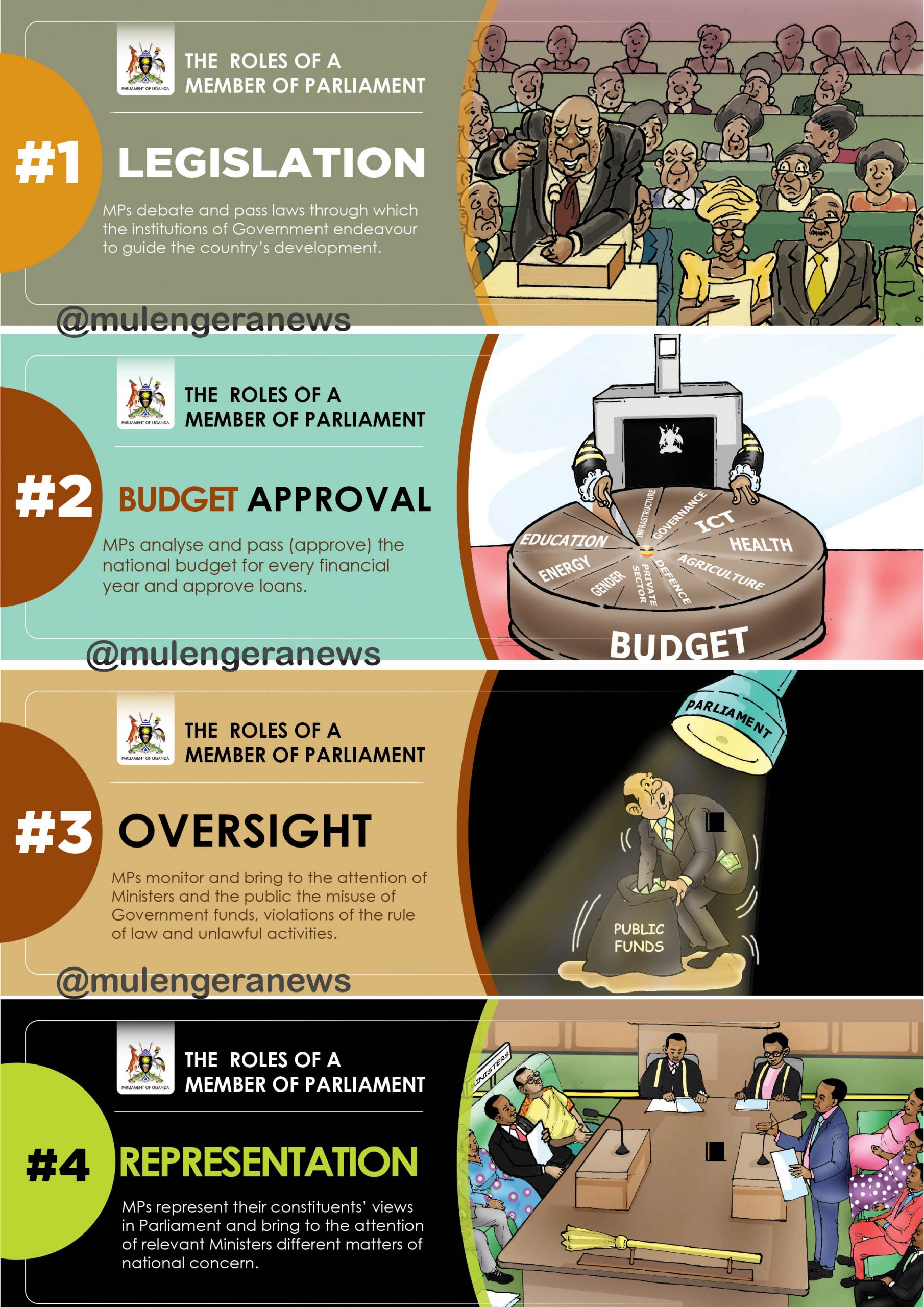
The directive was issued by Deputy Speaker Thomas Tayebwa during Thursday’s parliamentary sitting following discussions on the performance of the biometric voter verification technology deployed during the presidential and parliamentary elections.
Tayebwa asked the Minister for Justice and Constitutional Affairs to provide Parliament with a comprehensive update after consultations and ongoing investigations into the technical hitches experienced on polling day.
“Some of these matters are critical and require proper consultations before responses are given,” Tayebwa said, noting that government investigations would provide Parliament with a clearer account of what transpired.
The matter was raised by the Leader of the Opposition, Joel Ssenyonyi, who sought clarification on the functionality of the biometric systems after significant government investment in the electoral technology.
Ssenyonyi noted that government spent substantial resources on procuring the machines, training operators, and integrating the technology into the electoral process to support transparent and credible elections.
The biometric voter verification kits were introduced to strengthen voter identification and enforce the principle of one person, one vote during the 2026 elections.
Responding to concerns from legislators, the Minister for ICT and National Guidance, Chris Baryomunsi, assured Parliament that despite the temporary technical setbacks, the integrity of the election process was not affected.
Baryomunsi explained that the biometric kits experienced software-related challenges during polling day, prompting the Electoral Commission to activate contingency measures by reverting to the manual voters’ register to ensure voting proceeded smoothly across the country.
“The purpose of the BVVK machines was to reinforce one-person, one-vote and support voter verification efforts,” Baryomunsi said. “When technical hitches emerged, the Electoral Commission guided that voting continues using the manual register to avoid disruption of the exercise.”
He added that the technical issues were later resolved and that the machines were successfully deployed during subsequent local government elections.
The Electoral Commission has consistently maintained that the biometric technology remains an important tool in enhancing transparency, accountability, and efficiency in Uganda’s electoral process.
During the parliamentary sitting, legislators also discussed post-election security concerns, including reports of arrests involving supporters and agents of the National Unity Platform.
Ssenyonyi called for adherence to the rule of law in the handling of suspects and urged security agencies to ensure due process.
In response, State Minister for Internal Affairs, David Muhoozi, said all arrests were conducted within the framework of the law and dismissed allegations of unlawful abductions.
“As government, we do not abduct; we arrest in accordance with the law,” Muhoozi told Parliament, adding that authorities could account for all individuals in custody.
The discussions come as the Electoral Commission continues to review the implementation of election technologies aimed at improving the credibility and efficiency of Uganda’s electoral system. (For comments on this story, get back to us on 0705579994 [WhatsApp line], 0779411734 & 041 4674611 or email us at mulengeranews@gmail.com).