







By Ben Musanje
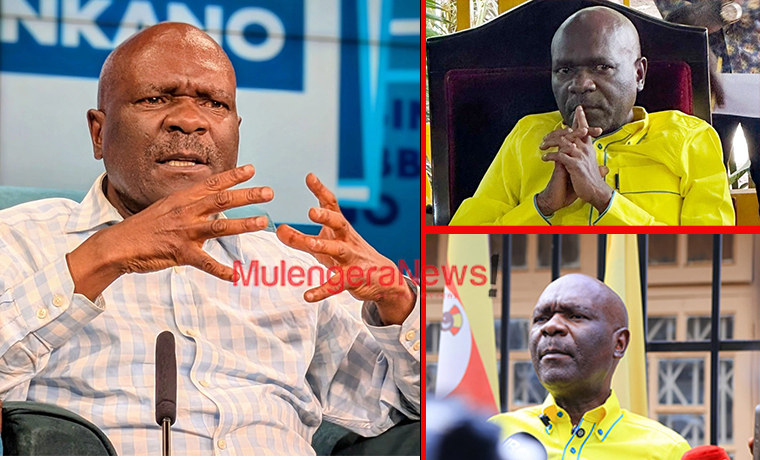
Former Mawokota South MP and lawyer Yusuf Nsibambi has hailed the newly enacted Protection of Sovereignty Act 2026 as a landmark law that will strengthen Uganda’s independence, protect national interests, and preserve democratic values against undue foreign influence.
President Yoweri Kaguta Museveni officially assented to the Protection of Sovereignty Bill on May 18, 2026, turning it into law after weeks of heated public debate, parliamentary scrutiny, and nationwide consultations. While critics of the law have argued that it could threaten civil liberties and restrict civil society operations, Nsibambi insists the final legislation reflects the will of the people and demonstrates Parliament’s willingness to listen to public concerns.
Speaking through a three-page opinion statement issued after the enactment of the law, Nsibambi described the Act as “better than oil,” arguing that sovereignty and self-determination are more valuable than any natural resource.

“The Protection of Sovereignty Act 2026 is not just another law. It is a safeguard of our independence as a nation,” Nsibambi said. “Resources can be exhausted, but sovereignty is permanent. This law secures Uganda’s ability to determine its future without manipulation from external actors.”

The former legislator praised Parliament, particularly the Joint Committees on Legal and Parliamentary Affairs and Defence and Internal Affairs, for what he called a thorough and responsive legislative process. According to him, lawmakers carefully examined the concerns raised by citizens, civil society organizations, legal experts, political parties, business leaders, and Ugandans living abroad before passing the final version of the Bill.
Nsibambi also credited President Museveni for providing what he termed “visionary leadership” in recognizing the urgency of the legislation and guiding Parliament through the process.
“This law reflects the constitutional principles enshrined under Article 8A and the National Objectives and Directive Principles of State Policy,” he noted. “It places the public interest at the center of governance and ensures that Uganda’s sovereignty remains protected in an increasingly complex global environment.”

The law was passed amid intense debate both inside and outside Parliament. Opponents claimed the Bill had been rushed through Parliament and warned that some clauses in the original draft could have criminalized ordinary interactions between Ugandans and foreign organizations.
Human rights activists, sections of the opposition, and some members of the diaspora raised concerns that the proposed law would create fear among non-governmental organizations and citizens receiving financial support from abroad.
However, Nsibambi dismissed claims that Parliament ignored public opinion. He argued that the legislative process was one of the clearest examples of public participation shaping national policy.
“For weeks, the committee received over 200 memoranda from citizens and stakeholders,” he explained. “These submissions were not ignored. They directly influenced the amendments that were made before the Bill was passed.”
According to Nsibambi, several controversial provisions in the original draft were either removed or significantly revised following public consultations.
One of the most contentious clauses reportedly defined Ugandans living abroad as “foreigners,” a provision critics feared could criminalize remittances and affect millions of families that depend on financial support from relatives overseas. Nsibambi said Parliament listened to these concerns and deleted the clause.
“The final law now clearly applies only to non-citizens, foreign governments, and organizations incorporated outside Uganda,” he said. “Ordinary Ugandans abroad sending money home to support their families are not affected.”
He further explained that the law now targets only individuals or organizations receiving foreign funding specifically intended to influence Uganda’s political processes or advance foreign interests at the expense of national sovereignty.
The former MP also highlighted changes made to penalties contained in the original draft. Initially, offenders faced up to 20 years in prison under some clauses. Parliament later reduced the maximum sentence to 10 years after concerns that the punishment was excessive.
Additionally, vague wording concerning “association” and “sponsorship” was removed to avoid criminalizing legitimate civic engagement or lawful partnerships between Ugandan organizations and international actors.
“This is what legislative responsiveness looks like,” Nsibambi emphasized. “Parliament listened, adjusted the law, and ensured that legitimate activities are protected while safeguarding the country from external interference.”
Supporters of the law argue that many countries around the world have adopted similar legislation to regulate foreign influence in domestic politics and national affairs. They contend that Uganda has the right to defend itself from covert interference, especially in an era where geopolitical competition increasingly targets developing nations.
Nsibambi believes the law sends a strong signal that Uganda intends to maintain control over its political direction and governance systems.
“No sovereign country should allow foreign interests to dictate its internal affairs,” he said. “This law is about ensuring that decisions affecting Ugandans are made by Ugandans.”
At the same time, he stressed that the law should not be interpreted as hostility toward international cooperation or development partnerships.
“Uganda remains open to partnerships, investment, and cooperation,” he clarified. “But these engagements must respect our sovereignty, our laws, and our national priorities.”
The enactment of the Protection of Sovereignty Act comes at a time when debates around foreign influence, governance, and democracy are becoming increasingly prominent across Africa. Several governments on the continent have moved to tighten regulations on foreign-funded organizations, citing concerns over political interference and national security.
Political analysts say the Ugandan law is likely to remain a subject of public debate in the coming months, particularly regarding how it will be implemented and interpreted by enforcement agencies.
Some opposition leaders and activists have already warned that even with amendments, the law could still be used selectively against critics of government. Others fear that uncertainty surrounding the definition of “foreign interests” may discourage legitimate civic engagement.
But Nsibambi remains optimistic that the law will strengthen Uganda’s democracy rather than weaken it.
“This law is rooted in the principle that sovereignty belongs to the people,” he said. “It is designed to ensure that our democracy develops according to the aspirations and values of Ugandans, not external agendas.”
He called upon citizens to remain vigilant and continue participating actively in governance processes, arguing that public engagement was instrumental in shaping the final legislation.
“The people of Uganda deserve credit for this law,” Nsibambi said. “Their voices were heard, their concerns were addressed, and their participation improved the final outcome.”
He further urged government institutions to implement the Act fairly, transparently, and within constitutional limits to avoid undermining public trust.
As Uganda enters a new phase under the Protection of Sovereignty Act 2026, supporters view it as a major victory for national independence, while critics continue to question its broader implications for civic freedoms and political expression.
For Nsibambi, however, the significance of the law goes beyond politics.
“This Act should stand as a reminder that when leaders and citizens work together, we can secure what matters most — an independent, self-determined, and democratic Uganda where our interests come first,” he concluded.(For comments on this story, get back to us on 0705579994 [WhatsApp line], 0779411734 & 041 4674611 or email us at mulengeranews@gmail.com).