






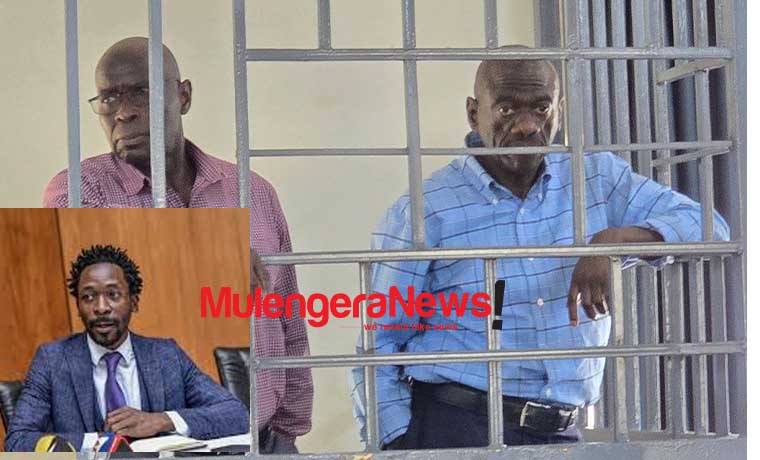
The Uganda Law Society (ULS) has welcomed the High Court’s decision to schedule a hearing for Dr. Kizza Besigye’s human rights enforcement application on June 30, describing the development as a significant victory for constitutionalism and the rule of law in Uganda.
In a statement issued on Thursday 11th June 2026, ULS President Isaac K. Ssemakadde said the court’s decision followed sustained pressure from the defence team and leaders of the People’s Front for Freedom (PFF), who had insisted that allegations of human rights violations against Besigye be heard before the substantive treason trial proceeds.
The development comes amid mounting legal and political scrutiny surrounding a case that has become one of the country’s most closely watched judicial battles, raising questions about fair trial rights, due process, and the treatment of opposition figures.
The High Court, presided over by Justice Emmanuel Baguma, issued production warrants for Besigye and his co-accused, Hajji Obeid Lutale, after the pair reportedly boycotted proceedings that were scheduled to commence on June 11.

At the heart of the dispute is a human rights enforcement application filed by the defence under the Human Rights (Enforcement) Act. The application challenges a series of alleged violations, including Besigye’s reported abduction from Kenya in November 2024, incommunicado detention, torture, denial of access to lawyers and family members, and what the defence describes as rushed and biased court proceedings.

The application also names Chief of Defence Forces Gen. Muhoozi Kainerugaba among the respondents.
Lawyers representing Besigye argued that the court should first determine the human rights application before proceeding with the treason case, maintaining that the issues raised directly affect the constitutional rights of the accused and the integrity of the judicial process.
According to the ULS, the court’s decision to fix the application for hearing marks a crucial step toward addressing those concerns.

“This marks a significant victory in the Besigye treason trial,” Ssemakadde said, linking the court’s move to what he described as the determined efforts of the defence team and PFF leaders to challenge procedural delays and demand accountability.
The ULS president argued that the development demonstrated the impact of assertive legal advocacy, saying lawyers and rights defenders should not hesitate to challenge actions they believe undermine justice.
“The firm stand taken by the legal team and PFF leadership proves that assertive, unapologetic advocacy delivers results and keeps the flame of constitutionalism alive,” he said.
The society also praised the legal team representing Besigye and Lutale, led by Senior Counsel Martha Karua and Former Kampala Lord Mayor Erias Lukwago, for pursuing the matter despite reported difficulties accessing their clients at Luzira Prison and concerns over delayed disclosure of evidence by the prosecution.
The treason charges against Besigye and Lutale carry the possibility of the death penalty upon conviction. Prosecutors allege that the offences stem from activities conducted between 2023 and 2024.
The case was transferred from the military justice system to the civilian courts following a landmark Supreme Court ruling that declared the trial of civilians in military tribunals unconstitutional. The judgment was widely celebrated by legal practitioners and human rights advocates as a major affirmation of constitutional safeguards and judicial independence.
For the Uganda Law Society, the implications of the Besigye case extend beyond the fate of the accused individuals.
The organization argues that the proceedings have become a critical test of Uganda’s commitment to democracy, constitutional governance, and the rule of law.
“No Ugandan, especially opposition voices, should endure indefinite detention against court orders, abduction across borders, or a trial rushed without adequate facilities to prepare a defence,” Ssemakadde said.
He described the case as a litmus test for whether the country can uphold constitutional protections and ensure equal justice under the law.
Legal analysts say the June 30 hearing could prove pivotal. If the court rules that the human rights concerns must be addressed before the treason trial continues, it could have a significant impact on the direction and timeline of the proceedings.
The ULS also urged lawyers involved in the case to continue using legal and institutional mechanisms to challenge any perceived irregularities in the justice system. These include filing applications before the courts, petitioning oversight bodies such as the Judicial Service Commission, and raising public awareness about issues affecting judicial accountability.
According to Ssemakadde, such actions are protected under Uganda’s Constitution and reinforced by international standards, including the United Nations Basic Principles on the Role of Lawyers and guidelines issued by the International Bar Association.
The society reiterated its readiness to support efforts aimed at protecting judicial independence and restoring public confidence in the administration of justice.
“As mandated under our enabling law, the Uganda Law Society stands ready to offer support to restore judicial integrity,” the statement said.
The organization further called on Ugandans to remain vigilant and continue demanding respect for constitutional rights, including the right to a fair trial.
With the June 30 hearing now on the court calendar, attention is expected to shift to how the judiciary handles the human rights allegations raised by the defence and whether the outcome will influence the trajectory of one of Uganda’s most politically significant court cases. (For comments on this story, get back to us on 0705579994 [WhatsApp line], 0779411734 & 041 4674611 or email us at mulengeranews@gmail.com).