














By Ben Musanje
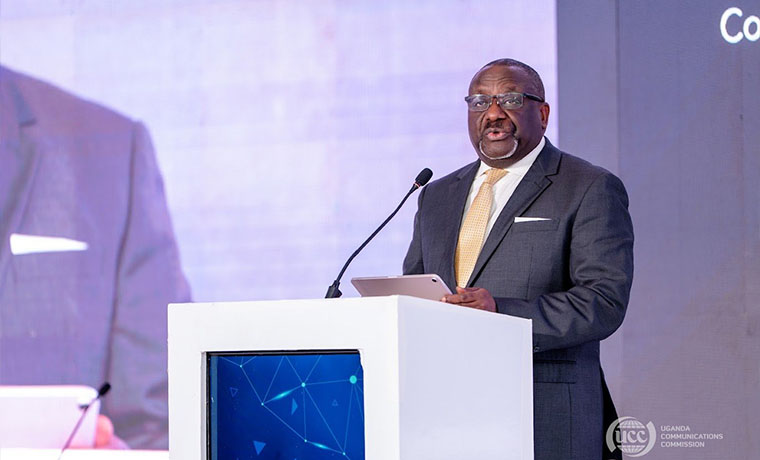
Uganda must build a united front against cyber criminals as digitalization expands across the economy, Uganda Communications Commission (UCC) Executive Director Nyombi Thembo has said.
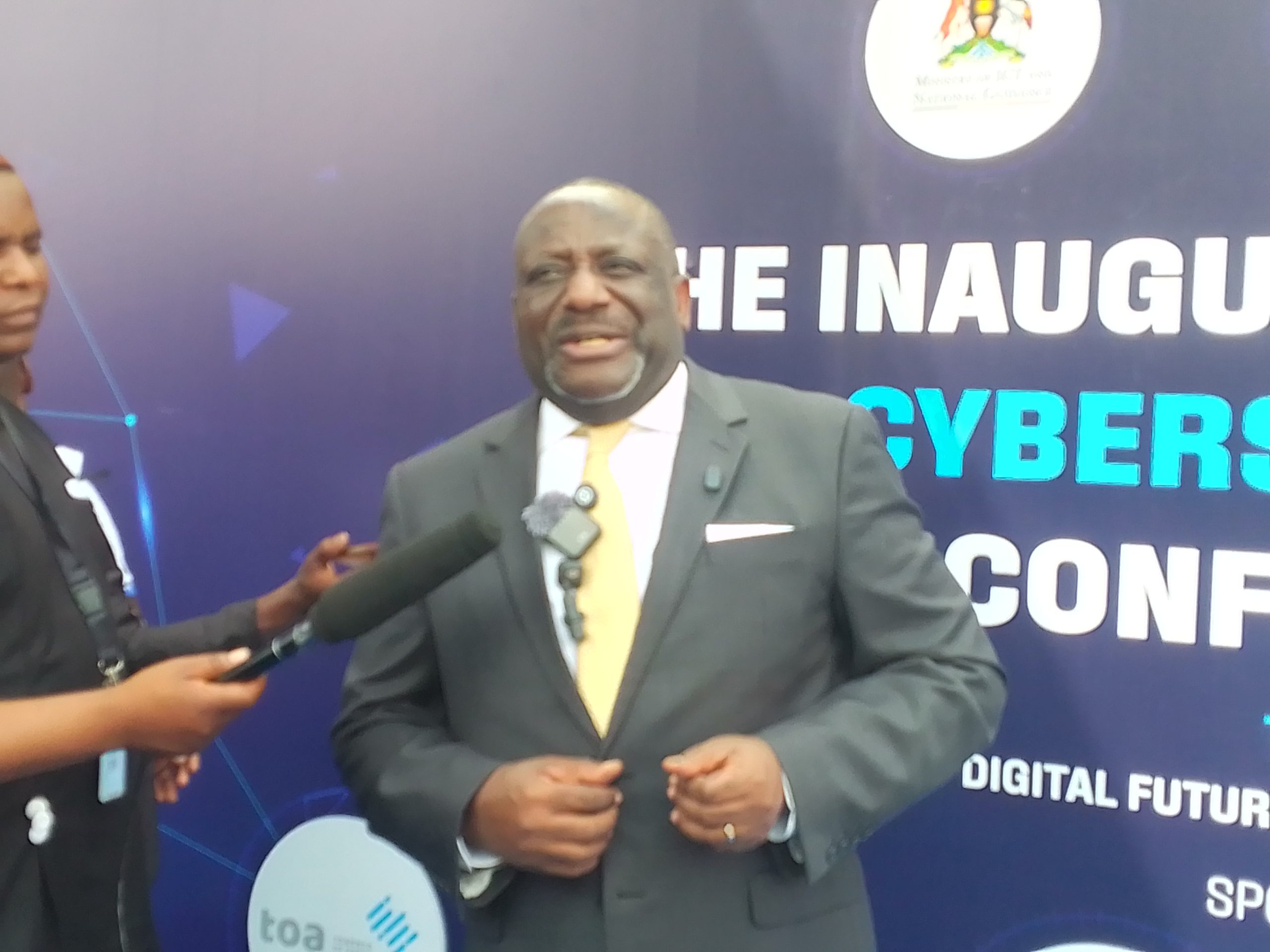
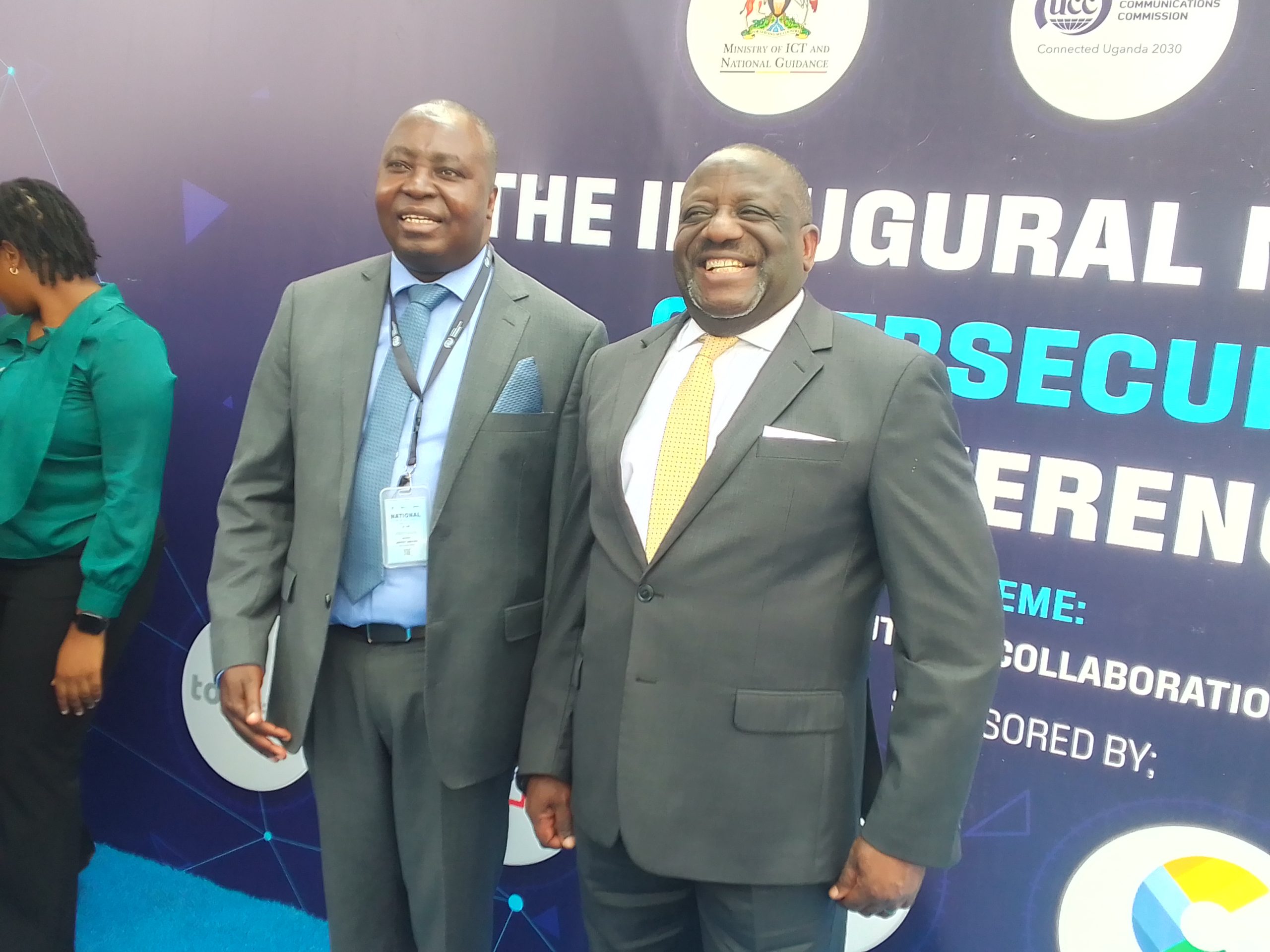
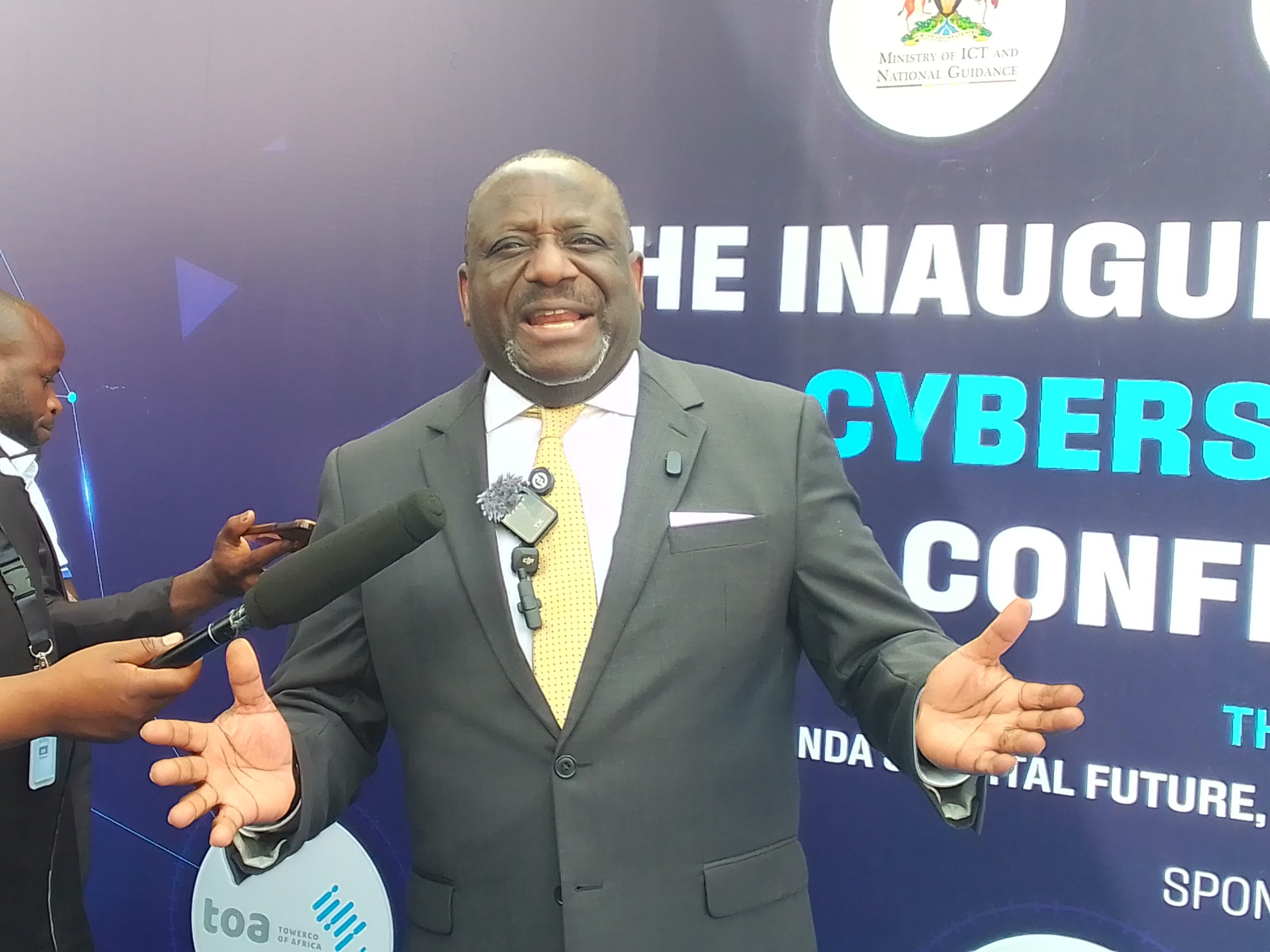
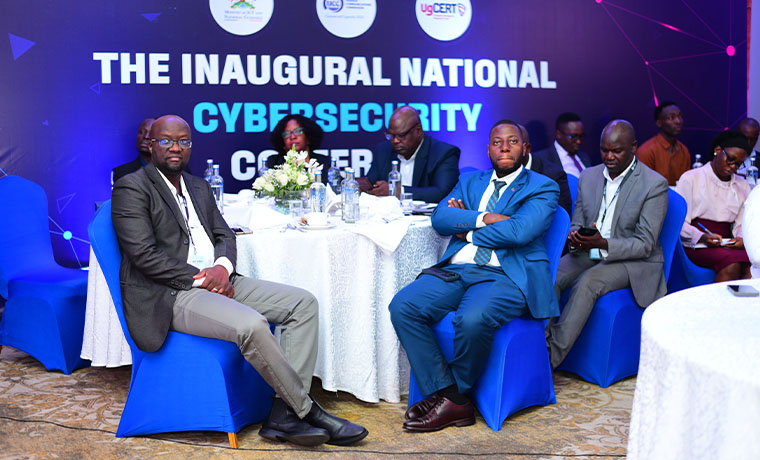
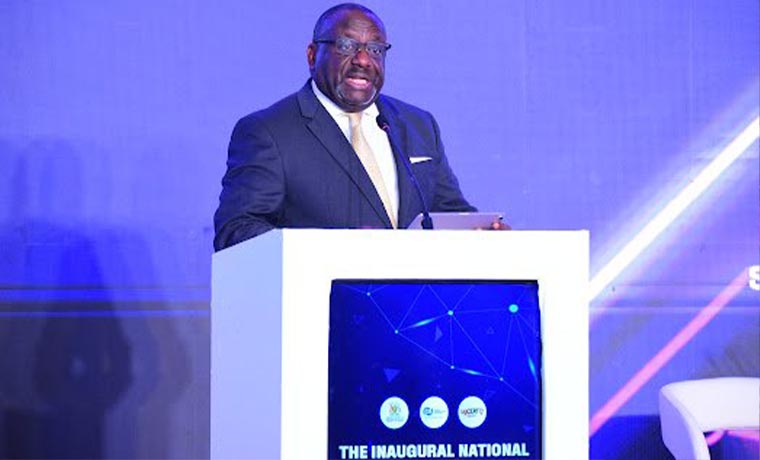
Thembo made the call in his keynote address at the inaugural National Cybersecurity Conference 2026, held at the Sheraton Hotel in Kampala on Tuesday, where he urged government, regulators, security agencies, telecommunications operators, financial institutions, technology companies, academia and cybersecurity practitioners to work together to protect Uganda’s digital ecosystem.
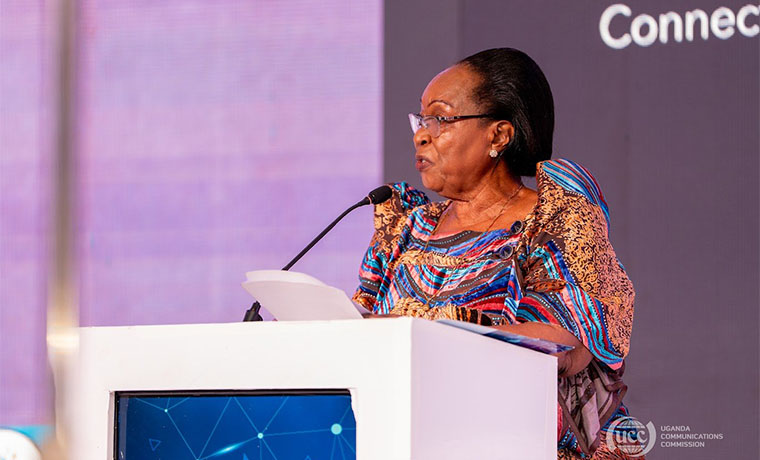
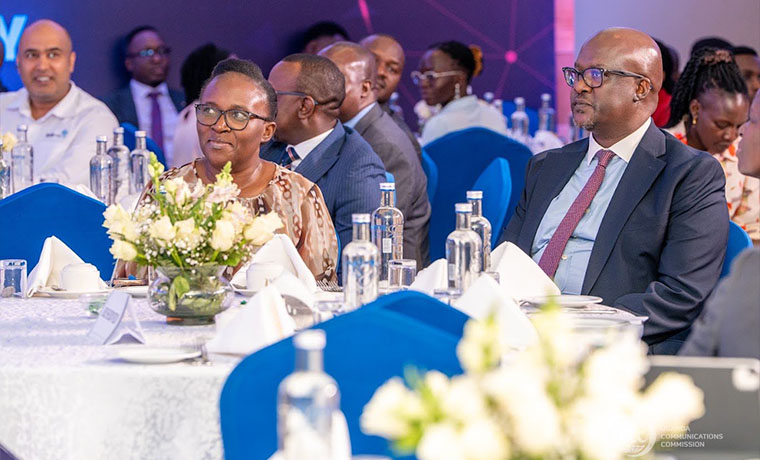
The two-day conference was officially opened by State Minister for ICT Joyce Nabbosa Ssebuggwawo, who joined other stakeholders to discuss emerging cybersecurity threats and ways of strengthening Uganda’s digital security.

Thembo said the gathering marked an important moment for Uganda because it brought together key players from across the digital ecosystem to deliberate specifically on cybersecurity.

He warned that Uganda’s digital transformation cannot succeed if the systems connecting citizens, businesses and government services cannot be trusted.
“Connectivity by itself is not a destination. Connectivity must be meaningful. It must be safe, it must be resilient,” Thembo said.
He argued that cybersecurity should not be treated as an afterthought once digital infrastructure has been built, but should instead be embedded into the infrastructure and become part of the country’s digital culture.

“Cybersecurity must not be something we add to digital transformation after the infrastructure has been built. Cybersecurity must be part of the infrastructure itself. Actually, it must be a culture,” he said.
Uganda’s communication networks now support services far beyond traditional voice calls and messaging, including mobile money, banking, e-commerce, education, healthcare, agriculture, government services and emerging technologies such as artificial intelligence.
But Thembo warned that this rapid expansion also brings greater cybersecurity risks.
According to UCC’s latest communication sector cybersecurity report cited in his address, reported malware infections declined from approximately 1.59 million in 2024 to 1.41 million in 2025.
Although he described the decline as encouraging, Thembo said the sector’s overall security rating remained in the basic security category, indicating continued elevated risk.
He said Uganda is also experiencing mobile malware, ransomware, denial-of-service attacks, vulnerable web infrastructure and increasingly sophisticated phishing and impersonation attacks, including those using artificial intelligence.
“These threats are real,” he said.
Collaboration key to cyber defence
Thembo said the growing complexity of cyber threats requires institutions to abandon siloed approaches and work together.
“The answer is in one word, collaboration,” he said.
He noted that cyber criminals do not respect institutional boundaries when launching attacks.
“A fraudster does not care whether a transaction crosses a telecommunication network, a bank, a platform or a cloud service. Ransomware does not respect institutional boundaries,” he said.
He called for government agencies to work more closely with each other, regulators to coordinate with security agencies, and telecommunications operators to strengthen cooperation with financial institutions.
He also urged industries to work with academia, researchers to engage practitioners, and Uganda to continue strengthening regional and international partnerships because cyber threats do not respect national borders.
UCC strengthens cyber response
Thembo said UCC has sought to make collaboration a central part of its cybersecurity work through initiatives designed to improve threat intelligence, incident response and preparedness.
He cited the Uganda Security and Computer Emergency Response Team, which provides cyber threat intelligence to licensed operators, issues indicators of compromise, publishes intelligence reports, supports incident response, provides digital forensics capabilities and conducts cyber drills and simulation exercises.
The Commission has also implemented the CyberSTARS programme to nurture the next generation of cybersecurity talent.
However, Thembo cautioned that these initiatives would only be effective if stakeholders shared information and acted quickly when threats emerged.
A vulnerability that is identified but not addressed, he said, remains an opportunity for an attacker, while an incident response plan that has never been tested remains merely a document.
The UCC has also developed minimum cybersecurity guidelines for licensed operators to establish a baseline for securing critical infrastructure, protecting consumer data and mitigating sector-wide risks.
Thembo urged operators to view compliance as more than a regulatory requirement, saying it should demonstrate a commitment to risk management, customer trust, business continuity and national security.
Five areas of focus
As the conference deliberates on Uganda’s cybersecurity future, Thembo urged stakeholders to focus on five key areas — faster threat information sharing, stronger national incident coordination, improved cybersecurity governance and accountability, greater investment in skills and local capabilities, and keeping consumers at the centre of cybersecurity efforts.
He said behind every mobile phone, online account and digital service is an individual whose safety and trust must be protected.
“Ultimately, cybersecurity is about protecting people, building trust and securing the systems on which our society increasingly depends,” he said.
UCC’s vision is captured in its “A Connected Uganda 2030” tagline, but Thembo said connectivity alone should not be the country’s ultimate ambition.
“A connected Uganda must also be a secure Uganda,” he said.
He stressed that achieving this would require collective action rather than the efforts of a single regulator, ministry, security agency or telecommunications company.
“We must build together,” Thembo said. (For comments on this story, get back to us on 0705579994 [WhatsApp line], 0779411734 & 041 4674611 or email us at mulengeranews@gmail.com).