







By Mulengera Reporters
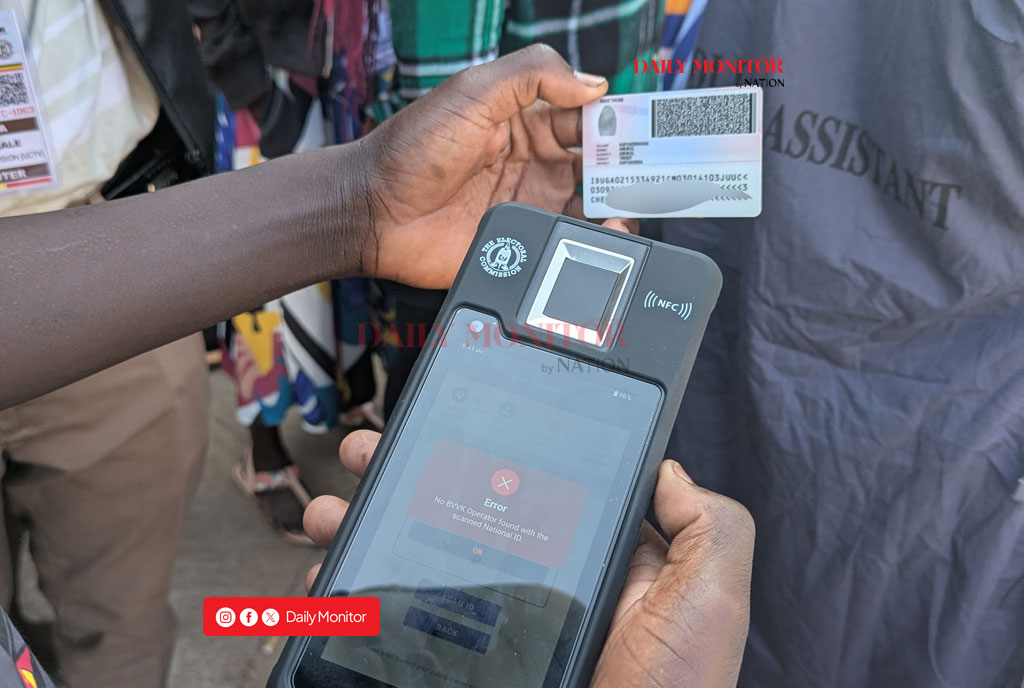
Voter verification using Biometric Voter Verification Kits (BVVKs) was largely smooth across several parts of the country on election day, though isolated technical failures and instances of manual voting were reported in some polling stations, creating a mixed picture of Uganda’s digitalised electoral process.
At Kabukyukyu polling station in Gulama Parish, Kyesiiga Sub-county, voter Leopold Ndawula welcomed the use of the machines, saying many citizens had previously been uncertain about how the digital verification system operates, but the new process appeared to improve confidence.
Election supervisor Fred Ddungu for Bukulula Sub-county in Kalungu District said his area had not recorded any BVVK failures, while in the greater Luwero region the machines were also reported to be functioning well at several polling centres including Luwero SDA Primary School, Kiyenje Junior School, Luwero Hospital and Kasana Quality Primary School.
NRM candidate Vincent Kinobe for the LC3 chairperson seat said voter verification was faster at most stations, although Luwero Town LC3 Chairperson Chris Johns Buwembo reported that all four BVVKs at Orthodox Church Kikubajinja polling station initially failed but were replaced and the process resumed.
In Kabarole District, BVVKs were operational at Kigarama Primary School in Kiko Town Council where voting began at 8:00 a.m., though at Kichwamba Sub-county headquarters and Kihondo polling stations voters relied on manual verification due to technical challenges.
In Kamwenge District, some voters at Kanyegaramire Playground polling station whose biometric details failed to register were asked to wait for guidance from the Electoral Commission returning officer.
In Oyam District, some voters reported that the machines selectively accepted identification documents, rejecting voter slips but allowing National IDs, while at Te-Cuk polling station in Oyam Town Council the process was smooth with over 50 voters casting ballots by 8:00 a.m.
In Kabale District, voter turnout remained low despite properly functioning BVVKs, with only 21 out of 573 registered voters having cast ballots by 10:06 a.m. at Central Polling Station in Kabale Stadium, a trend also seen at Full Gospel Church polling station.
Returning officer Aisha Nansubuga said BVVKs were operating effectively across Kabale District, while in the Sebei region, including Kapchorwa, the machines were reported to be functioning well, with voters at Amanang Primary School describing the process as fast and reliable.
In Yumbe District, security was tight at polling stations where BVVKs were used to verify voters before ballot issuance, with 42 out of 151 registered voters having cast ballots at Ludara Mosque polling station in Odravu Sub-county by mid-morning.
However, in Tororo District, several polling stations conducted voting without BVVKs after technical failures, including Putir Catholic Church polling station in Mukuju Sub-county where voters were turned away when machines failed to recognise their details.
Affected voter Steven Osanja said he was denied the right to vote despite being registered, urging the Electoral Commission to improve the reliability of biometric systems to avoid disenfranchising eligible voters in future elections.
At Muduuma Town Council polling centre, two of the three polling stations used BVVKs while one operated manually, slowing the process and causing some voter frustration in queues.
At St Francis Primary School in Ndibulungi, BVVKs were operational but some voters experienced fingerprint and facial recognition failures, prompting presiding officers to consult the District Returning Officer while confirming the voter was listed in the register.
In Mpigi Town, voting was slower than in surrounding rural areas, but election officials reported that BVVKs were functioning properly across polling stations despite the reduced turnout pace.
Across the country, the mixed experiences underscored both the progress and persistent challenges in Uganda’s rollout of biometric voter verification technology, with election officials maintaining that most systems were stable while isolated glitches required manual intervention. The Electoral Commission has previously stated that BVVKs are intended to strengthen transparency, reduce impersonation, and improve voter confidence, though some observers argue that technical reliability remains crucial to safeguarding universal participation.
As polling continues, officials have urged calm, noting that contingency measures such as manual verification are in place to ensure that no eligible voter is permanently denied the opportunity to cast their ballot. Early trends suggest that while the technology is largely functional in many districts, uneven performance across polling stations continues to shape voter experiences in different parts of the country.