








By Mulengera Reporters
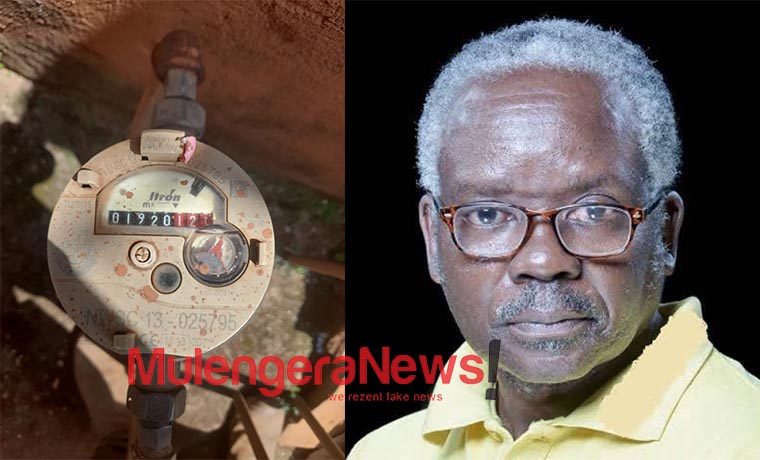
Veteran journalist Tony Owana has found himself at the center of a water bill storm that not only sparked debate online but also tested whether the assurances given by the National Water and Sewerage Corporation (NWSC) on social media are truly implemented on the ground.
Owana, who currently works with Bukedde TV and previously hosted a political show on UBC TV, publicly questioned unusually high water bills, including a past charge that rose to 700,000 shillings and was attributed to leakage. The volumes implied by such figures raised concern in his view, with suspicion directed at whether the meter readings accurately reflected actual usage.
The matter quickly gained attention online, prompting NWSC to respond through its official platforms. However, beyond the digital exchanges, the corporation dispatched a technical team to physically inspect the property. On-site findings revealed that a leaking water tank caused by a faulty ball valve was allowing water to flow continuously, silently driving up the bill without obvious flooding around the house.

According to NWSC’s technical assessment, the meter only records water that physically passes through it. When the water supply was shut off during the inspection, the meter stopped moving, reinforcing the utility’s explanation that the high consumption was linked to internal plumbing faults rather than a defective meter. The property manager was advised to install a new ball valve immediately to prevent further wastage.
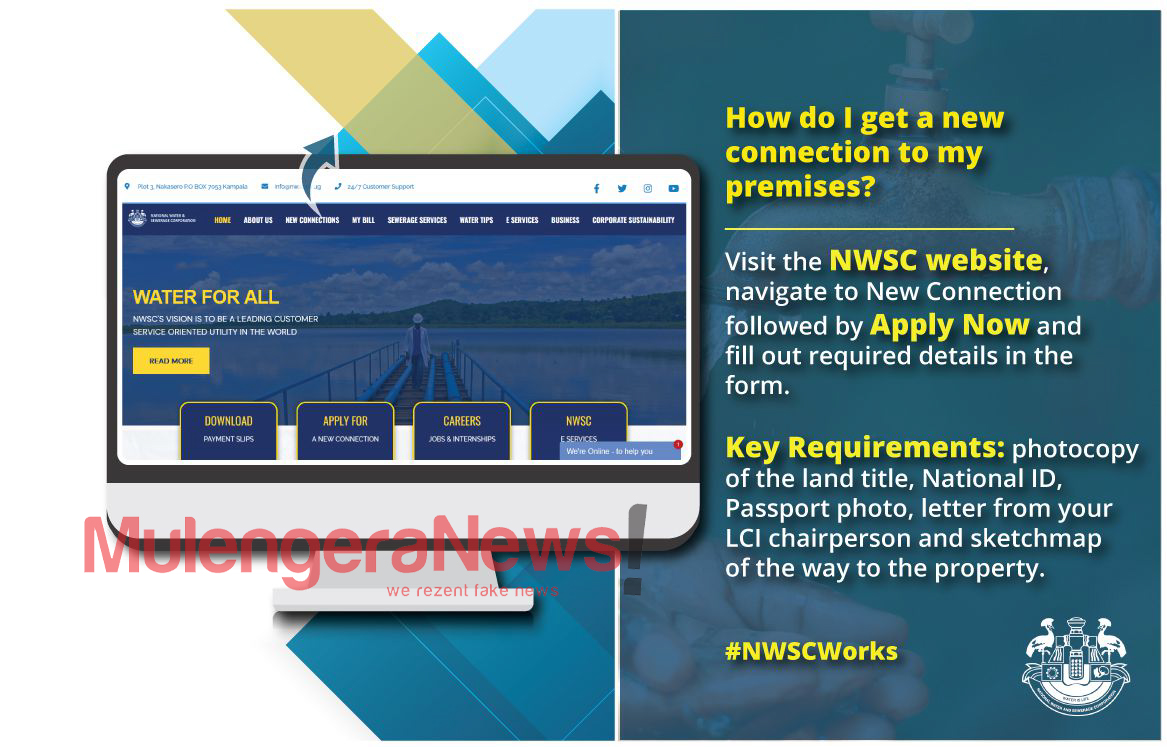
The situation demonstrated a direct link between NWSC’s social media responses and practical action on the ground, as engineers moved in to verify the complaint rather than relying solely on online explanations.
Owana’s case was not isolated. Another customer, Muganzi Secure, raised alarm over a 300,000 shilling bill for his Najjera apartment, arguing that he rarely stays at the residence. After his concerns surfaced online, NWSC again sent a team to the location. The inspection uncovered a similar issue — a leaking tank caused by a malfunctioning ball valve. The meter was closed to stop further water loss, and the caretaker was instructed to urgently fix the internal plumbing problem.
In both cases, NWSC maintained that hidden leaks within private plumbing systems can release large volumes of water in a short time, significantly inflating bills without dramatic visible signs of flooding. The corporation’s response pattern showed that social media engagement was followed by physical verification visits and technical intervention.

The incidents have since fueled broader public discussion about water management, internal plumbing maintenance and the cost implications of undetected leaks. For Tonny Owana and other affected customers, the episode has highlighted how a silent mechanical fault can quickly translate into staggering figures — and how online complaints can trigger real-world inspections and corrective action. (For comments on this story, get back to us on 0705579994 [WhatsApp line], 0779411734 & 041 4674611 or email us at mulengeranews@gmail.com).