






By Aggrey Baba
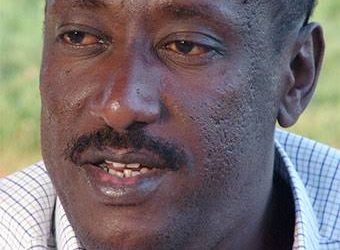
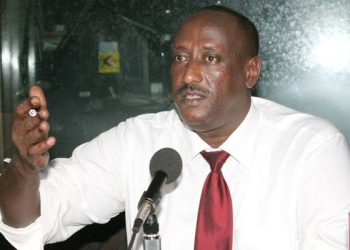
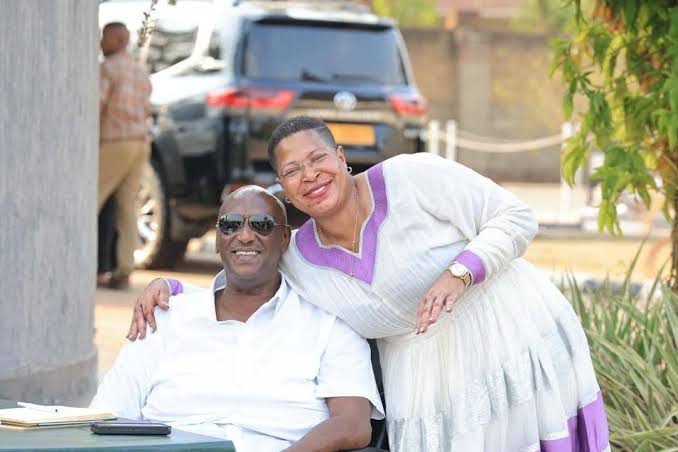
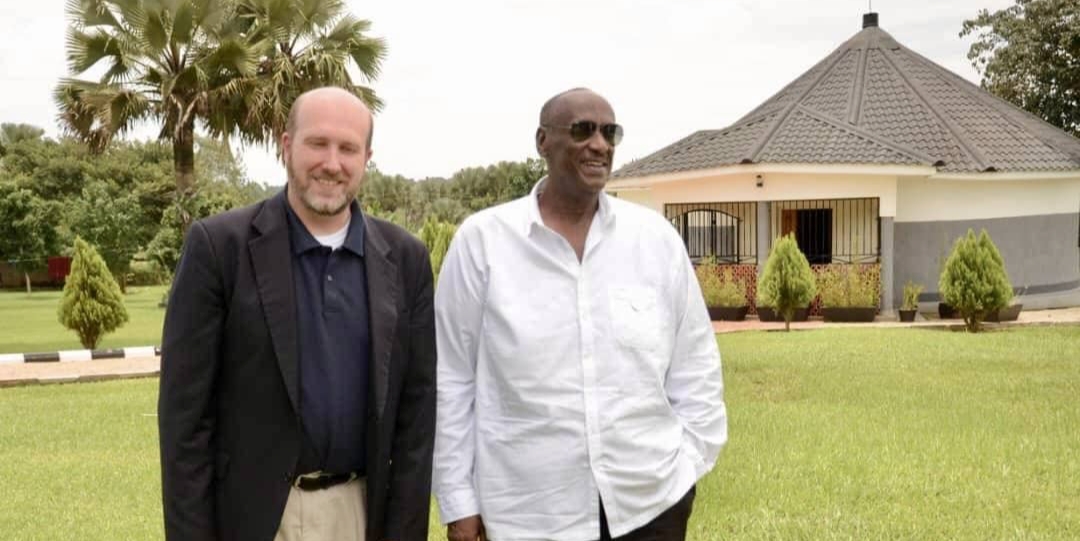
Gen Salim Saleh, together with his personal aide Professor Ogenga Otunnu have warned that foreign powers pursuing geopolitical interests can turn Uganda’s tribal, religious and ethnic divisions into instruments of external influence by exploiting, mobilizing, funding or even arming sectarian groups.
Gen Saleh and his friend argue that Uganda’s history of political instability and failed national integration cannot be understood without examining how external interests have interacted with internal divisions to undermine national unity, democratic development and stability.


In their historical assessment contained in the proposed Consociational Democracy Agreement, they identify foreign interference as one of the forces that have aggravated the country’s vulnerabilities, with external actors sometimes pursuing strategic interests at the expense of Uganda’s long-term stability.
Their warning raises a difficult question about the role of international actors in Uganda’s political affairs, whether their involvement is genuinely helping the country overcome its divisions or, in some circumstances, creating opportunities for those divisions to be exploited.
Saleh therefore wants development partners to rethink how they engage with Uganda, arguing that international cooperation should strengthen national institutions, promote inclusive socioeconomic transformation and support lasting political stability instead of aggravating existing weaknesses.
The proposal is that international partners align their economic interventions with Uganda’s national development priorities and conduct equity audits to establish whether marginalized regions and groups are receiving proportionate support.
This would help expose inequalities that can fuel grievances and make communities vulnerable to political manipulation, exclusion and external influence.
On the political front, the paper proposes international support for electoral integrity through voter registration, civic education, campaign finance monitoring and media freedom.
The paper also advocates long-term cooperation programmes focusing on national dialogue, peace-building and social cohesion, rather than short-term interventions that fail to strengthen institutions or address the underlying causes of political conflict.
Their position is that Uganda cannot sustainably overcome its internal divisions if domestic political actors and external interests continue to benefit from exclusion, fragmentation and sectarian mobilization.
The proposed agreement consequently calls for transparent international engagement that respects Uganda’s development priorities while supporting national dialogue, institutional accountability and inclusive political cooperation.
Saleh’s broader argument is that lasting stability requires confronting not only the domestic political interests that sustain division but also external forces that may exploit those divisions for geopolitical advantage. (For comments on this story, get back to us on 0705579994 [WhatsApp line], 0779411734 & 041 4674611 or email us at mulengeranews@gmail.com).