







By Aggrey Baba
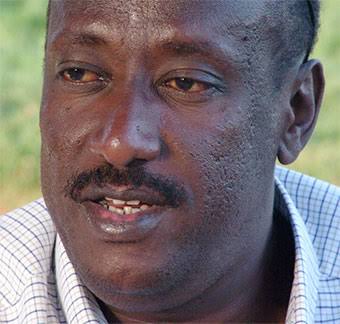
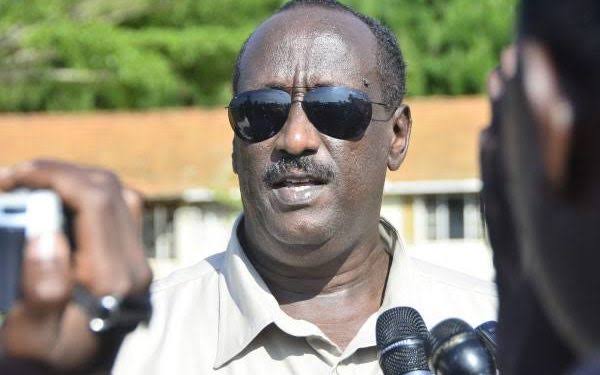
The current political tensions in Uganda cannot be settled through meetings between top political leaders alone, according to a new proposal by Gen Salim Saleh and and his personal aide Professor Ogenga Otunnu, who want national political dialogue, reconciliation and dispute resolution extended from State House through regional and district structures down to villages and individual households.
In their proposed Consociational Democracy Agreement, they outline a five-level implementation structure intended to bring the ruling side and the opposition, community leaders, local authorities and ordinary citizens into a coordinated process of addressing grievances, managing disagreements and preventing political tensions from deepening into wider social divisions.
Gen Sale and his trusted friend argue that previous attempts at political cooperation have struggled to produce lasting results because negotiations have largely remained concentrated among political elites, leaving many of the grievances affecting ordinary communities unresolved.
Their proposed arrangement would therefore establish interconnected structures at national, regional, district, local government and village levels to ensure that political reconciliation is not confined to State House meetings, party negotiations and agreements signed by senior leaders.
At the national level, the Presidency, political parties and the proposed National Consociational Council would coordinate the settlement, maintain dialogue among political stakeholders and oversee national cooperation arrangements, which would provide a central platform for politicians to negotiate disagreements, address contentious issues and coordinate commitments intended to reduce political exclusion and strengthen national cohesion.
Below the national leadership, regional reconciliation forums would bring political representatives, cultural institutions and regional development structures together to address grievances affecting different parts of the country.
These forums intend to provide space for communities to raise historical grievances, regional inequalities, political exclusion and development concerns that could otherwise continue fuelling resentment and mistrust.
At district level, the proposed arrangement would involve district councils, land boards and service-delivery accountability panels in identifying local grievances, monitoring government interventions and following up on commitments made to affected people.
This intends to make district authorities part of the reconciliation process rather than leaving them as passive observers of political agreements negotiated at the national level.
The structure would then extend to sub-counties and parishes through existing Local Council and Parish Development Model (PDM) structures.
These would provide grassroots platforms for identifying emerging disputes, communicating community concerns, following up on development commitments and ensuring that local disagreements receive attention before they escalate.
At the village level, and perhaps the lowest one, the proposal brings the process directly into local communities and individual households, where many of Uganda’s social and political grievances are experienced.
Landlords, Bibanja holders and other community members would be brought into local dialogue and dispute-resolution arrangements to address conflicts over land ownership, access to opportunities, public services and other sources of community tension.
Gen Saleh’s argument is that political reconciliation cannot succeed if the people directly affected by exclusion, land disputes and economic grievances are only expected to accept decisions negotiated by their leaders without having an opportunity to participate.
However, the proposed five-level structure also comes with safeguards intended to prevent it from becoming another avenue for political patronage, unaccountable spending and creation of structures that serve the interests of powerful individuals.
Saleh and Otunnu propose four safeguards.
First, agreements reached at every level should be documented and made public so that communities can know what has been promised, who is responsible and what is expected to be delivered.
Second, independent monitoring and regular public reporting should be introduced to establish whether commitments are being implemented and whether public resources are being properly utilised.
Third, anti-clientelism measures would be necessary to prevent political actors from using the cooperation arrangements to reward loyalists, distribute favours or build personal political networks.
Fourth, periodic review clauses would require the proposed structures to demonstrate their usefulness and justify their continued existence instead of becoming permanent bureaucratic arrangements without measurable results.
The paper also recommends prioritizing regions where grievances are particularly acute and well documented while developing the national implementation structures concurrently.
Rather than creating an entirely new administrative system, Saleh wants the proposed settlement to work through institutions the country already has, including LC structures, cultural institutions, district authorities and existing community mechanisms.
The wider ambition is to create a chain of political dialogue and accountability stretching from the country’s highest leadership to the smallest community.
Under this arrangement, national political commitments would have to translate into regional reconciliation initiatives, district interventions and practical solutions to grievances affecting individual households.

Saleh and Otunnu argue that a national political settlement cannot deliver lasting stability if it remains an agreement among political elites while communities continue carrying unresolved grievances.
The proposed approach seeks to make reconciliation a continuous national and grassroots process, with political leaders, public institutions and ordinary citizens all having a role in addressing the divisions and disagreements affecting the country. (For comments on this story, get back to us on 0705579994 [WhatsApp line], 0779411734 & 041 4674611 or email us at mulengeranews@gmail.com).