






By Ben Musanje
The Uganda Human Rights Commission (UHRC) has convened a two-day consultative meeting to gather stakeholder perspectives for its forthcoming 29th Annual Report on the State of Human Rights and Freedoms in Uganda for 2026.
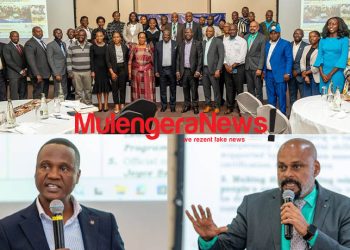
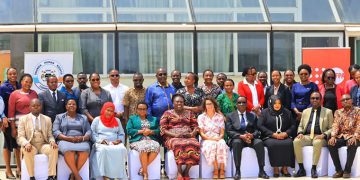
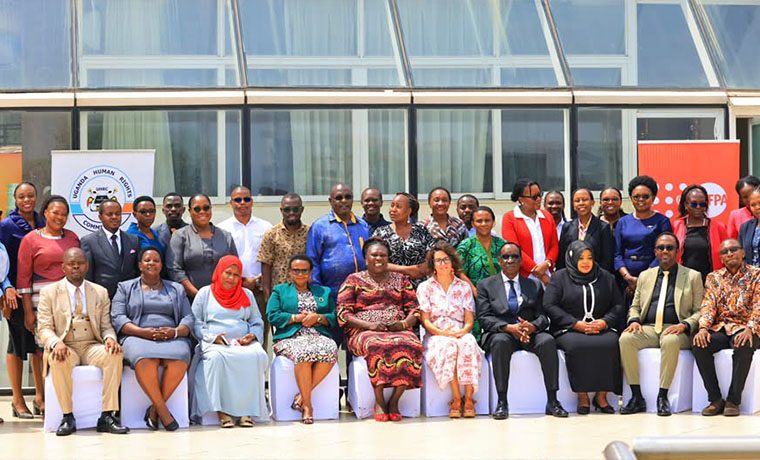
The meeting, being conducted under the Commission’s Directorate of Monitoring and Inspections, brings together representatives from government ministries, civil society organisations, professional associations and other stakeholders to discuss selected thematic areas that will inform the report.
Participants include officials from the Ministry of Gender, Labour and Social Development (MGLSD), Ministry of Justice and Constitutional Affairs (MOJCA), Governance and Security Programme Secretariat, Ministry of Health, Help Age Advocacy Network Uganda (HANU), Uganda Medical Association, Federation for Uganda Medical Interns (FUMI) and Africa Green Health Network, among others.

In his welcome remarks, the Acting Secretary to the Commission, Mr. Kamadi Byonabye, outlined key thematic areas for discussion, including juvenile justice, the right to health, rights of older persons, the plight and human rights of security guards, air quality in Uganda, digital rights and food safety.

He said the consultations were intended to provide perspectives that would contribute to a comprehensive assessment of the state of human rights and freedoms in Uganda.
The Chairperson of the Editorial Board and Member of the Commission, Hon. Crispin Kaheru, said the Commission could not produce a representative report without incorporating views and experiences from a broad range of stakeholders.
“We need perspectives from government, Civil Society Organisations, academia and experts on the issues we have selected to write about,” Kaheru said.

He explained that the report would focus on three key areas: progress made in the promotion and protection of human rights, existing gaps, and measures required to address those gaps.
Kaheru urged the report’s drafters to identify gaps candidly, ensure that their reporting is evidence-based and capture the lived experiences of Ugandans rather than relying solely on theoretical or textbook examples.
Speaking on behalf of the Chairperson of the Commission, Hon. Mariam Wangadya, Member of the Commission Hon. Shifrah Lukwago said the consultative process was essential to strengthening the credibility and relevance of the annual report.
“This consultative process is deliberate and indispensable. The strength of any National Human Rights Institution lies not only in its independent findings but in the honesty of the voices that shape those findings,” Lukwago said.
She challenged participants to critically examine the country’s human rights situation, including areas where the State has made measurable progress, where responses have been inadequate or delayed, and how recommendations contained in previous reports can be implemented more effectively.
Lukwago also called for attention to emerging human rights concerns and urged stakeholders to ensure that human rights principles are reflected in the daily experiences of people in homes, schools, health facilities, workplaces, police stations, prisons and government offices.
During a presentation on the state of juvenile justice in Uganda in 2026, Senior State Attorney at the Ministry of Justice and Constitutional Affairs, Counsel Brian Musota, said Uganda has established legal instruments and laws intended to facilitate the realisation of juvenile justice.
However, Musota identified implementation as a major challenge.
“Uganda has clear legal instruments and laws that should help the realisation of juvenile justice. However, the challenge is effective implementation,” he said.
The consultations also heard concerns regarding the working conditions and human rights of medical interns.
The outgoing Secretary General of the Federation for Uganda Medical Interns (FUMI), Dr. Allan Okwir, highlighted delayed deployment, long working hours and inadequate allowances among the challenges affecting medical interns.
He said some interns work for more than 36 hours without rest and appealed to the Commission to engage relevant stakeholders to address the concerns.
The meeting’s sessions are being chaired by Commissioners Hon. Jacklet Atuhaire Rwabukurukuru, Hon. Simeo Muwanga Nsubuga and Hon. Lamex Omara Apitta.
Also attending the consultations are UHRC Directors Ms. Sarah Nakhumitsa, Ms. Pauline Nansamba Mutumba, Mr. Dennis Kakeeto and Ms. Rosemary Kemigisha, alongside selected staff of the Commission.
The views gathered during the two-day consultation are expected to contribute to the Commission’s assessment of Uganda’s human rights situation and inform recommendations in its 29th Annual Report on the State of Human Rights and Freedoms in Uganda. (For comments on this story, get back to us on 0705579994 [WhatsApp line], 0779411734 & 041 4674611 or email us at mulengeranews@gmail.com).