







By Mulengera Reporters
Agricultural experts have identified Rubanda District as having favourable soil and climatic conditions for coffee and several other high-value crops that could improve household incomes, strengthen agribusiness and transform the livelihoods of Banyakigezi if farmers embrace modern farming practices.
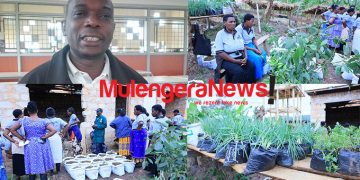
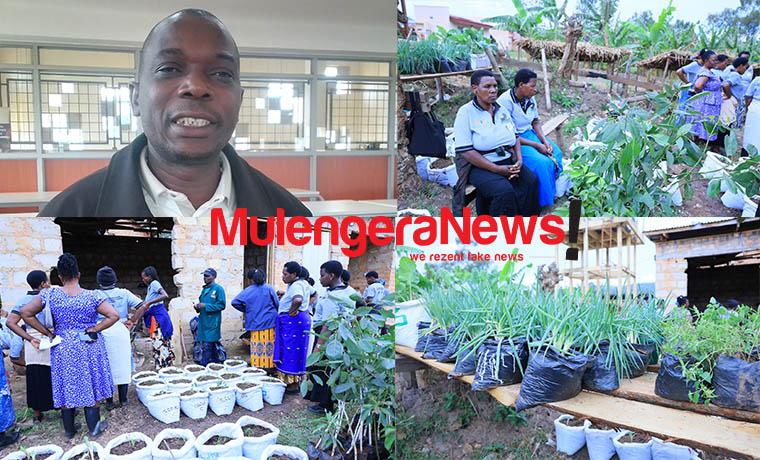
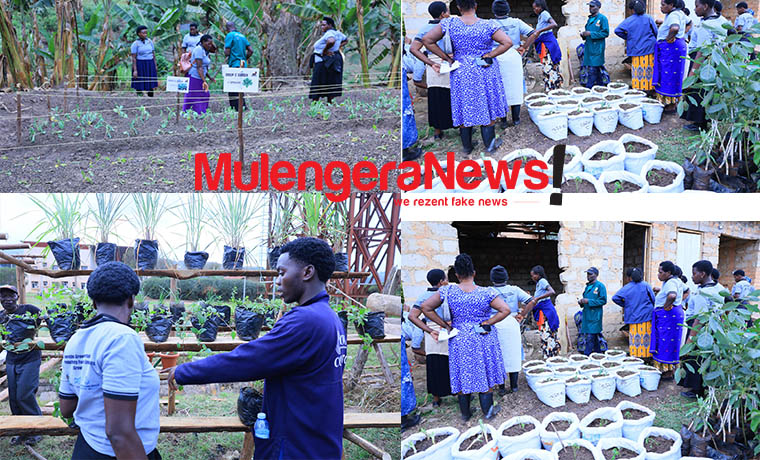
The experts made the observation during Specialized Advanced Skills Training under the Generating Growth Opportunities and Productivity for Women Enterprises (GROW) Project, where more than 300 women entrepreneurs are receiving practical skills to improve productivity and profitability across different economic sectors.
The programme, implemented by the Private Sector Foundation Uganda (PSFU), began on October 12, 2026, and is scheduled to conclude on October 23 at the Uganda National Institute of Teacher Education (UNITE) in Kabale, formerly Kabale National Teachers College.

The training targets women involved in tailoring and garment making, hairdressing, cosmetology, beauty services, agribusiness and other enterprises. It follows concerns raised by Rubanda District Chief Administrative Officer Samuel Ahabwe about inadequate technical and business skills among women entrepreneurs in several sectors.

Godfrey Kigoye, the Programmes Director of Katende Harambe Rural Urban Training Centre (KHRUTC), said Rubanda has significant agricultural potential that could make the district an important food-producing area if farmers improve soil management, adopt appropriate production techniques and organise their enterprises commercially.
“Rubanda and Kabale have very good soils compared with some other parts of the country. They have a very big potential to become a food basket if they organise themselves,” Kigoye said.
He identified coffee as one of the promising cash crops that farmers could consider alongside existing crops such as Irish potatoes and tobacco.

According to Kigoye, both Arabica and Robusta coffee could perform in suitable parts of the district, depending on altitude and local growing conditions. He noted that Arabica could be considered in higher-altitude areas, offering farmers an opportunity to diversify their sources of income.
He also recommended onions, bananas, passion fruits, peas, beans, cabbages, sorghum and other horticultural crops, depending on local conditions, market demand and farmers’ capacity to manage production.
Kigoye said farmers should prioritize crops that can be sold locally and beyond their immediate communities instead of producing without considering the market.
During the training, participants were introduced to enterprise selection, business planning, production costing, marketing, value addition and methods of increasing output from small plots of land.
He explained that agriculture should be treated as a business, with farmers calculating their production costs, identifying reliable markets and choosing enterprises that match their available land, labour and financial resources.
The experts also emphasized soil and water conservation, particularly because the hilly terrain of the Kigezi region exposes farmland to erosion, which washes away fertile topsoil and nutrients.
Kigoye encouraged farmers to dig contours, establish terraces, prepare compost and apply organic manure to restore soil fertility.
He said many smallholder farmers spend money searching for commercial fertilizers while overlooking locally available materials that could improve soil productivity.
“Soils need to be renewed. If farmers put in manure and practice soil and water conservation, they can improve their production,” he said.
The training also addressed water shortages, which frequently affect horticultural farmers. Participants were taught rainwater harvesting and affordable irrigation methods, including bucket irrigation suited to properly organized raised beds.
Kigoye said farmers could increase output from limited land by adopting appropriate crop spacing, maintaining organized gardens and using available resources efficiently.
He further urged participants to embrace value addition to reduce post-harvest losses, particularly during periods of abundant supply when prices often fall.
For instance, farmers can process tomatoes into sauce, preserve produce or turn suitable fruits into juices and other products to extend shelf life and create additional income opportunities.
“Instead of allowing your produce to rot when everybody has the same crop, you can add value and give yourself more time to find a market,” he explained.
Beyond crop production, KHRUTC veterinary expert John Baptist Malinzi urged farmers to seek professional animal-health services rather than treating livestock themselves using drugs obtained from veterinary shops without proper guidance.
Malinzi said inappropriate drug use and mixing medicines without professional advice could worsen animal health, increase production costs and lead to avoidable losses.
He encouraged farmers to consult veterinary officers available at sub-county level and learn to recognize signs of illness, improve animal feeding and adopt better livestock management practices.
He also highlighted the importance of improving local pig breeds through appropriate breeding programmes and managing poultry in ways that reduce losses and improve manure collection.
According to Malinzi, better livestock management, combined with proper feeding and veterinary care, could help farmers increase productivity and profitability.
The training has already begun influencing participants’ perspectives on farming.
Olivia Asiimwe, a resident of Rubanda Town Council who grows sorghum and beans and rears pigs, said she had gained practical knowledge of modern farming methods that she intends to apply to improve her agricultural activities.
She expressed confidence that the skills acquired would help her improve her farming systems and make better use of available resources.
Kigoye said one of the major challenges facing farmers is limited access to agricultural extension services and inadequate awareness of experts working within their communities.
He observed that many farmers in Kigezi region are willing to learn but are not sufficiently reached with practical information on crop production, livestock management and agribusiness.
He called for more frequent farmer engagements and practical training to help bridge the gap between agricultural knowledge and its application at household level.
The GROW Project training, he said, demonstrates the importance of equipping women entrepreneurs with practical skills that can translate into sustainable businesses.
With favourable growing conditions, improved soil management, market-oriented production and stronger access to technical services, agricultural experts believe Rubanda and the wider Banyakigezi region could expand their agricultural output, diversify household incomes and create greater economic opportunities for rural communities. (For comments on this story, get back to us on 0705579994 [WhatsApp line], 0779411734 & 041 4674611 or email us at mulengeranews@gmail.com).