






By Ben Musanje
Uganda is facing mounting alarm over its rapidly expanding public debt, now projected to surge toward UGX 130 trillion in the 2026/2027 financial year, with annual debt servicing already consuming an estimated UGX 3.6 trillion, funds civil society actors say should instead be financing hospitals, schools, and essential public services.
Against this backdrop, the Civil Society Budget Advocacy Group (CSBAG), in partnership with AHF Uganda Cares, Uganda Debt Network and Southern and Eastern Africa Trade Information and Negotiations Institute (SEATINI) Uganda, has launched the “Freedom from Debt Campaign,” a national initiative that seeks to reframe sovereign debt from a technical fiscal issue into what campaigners are calling a human rights and development emergency.
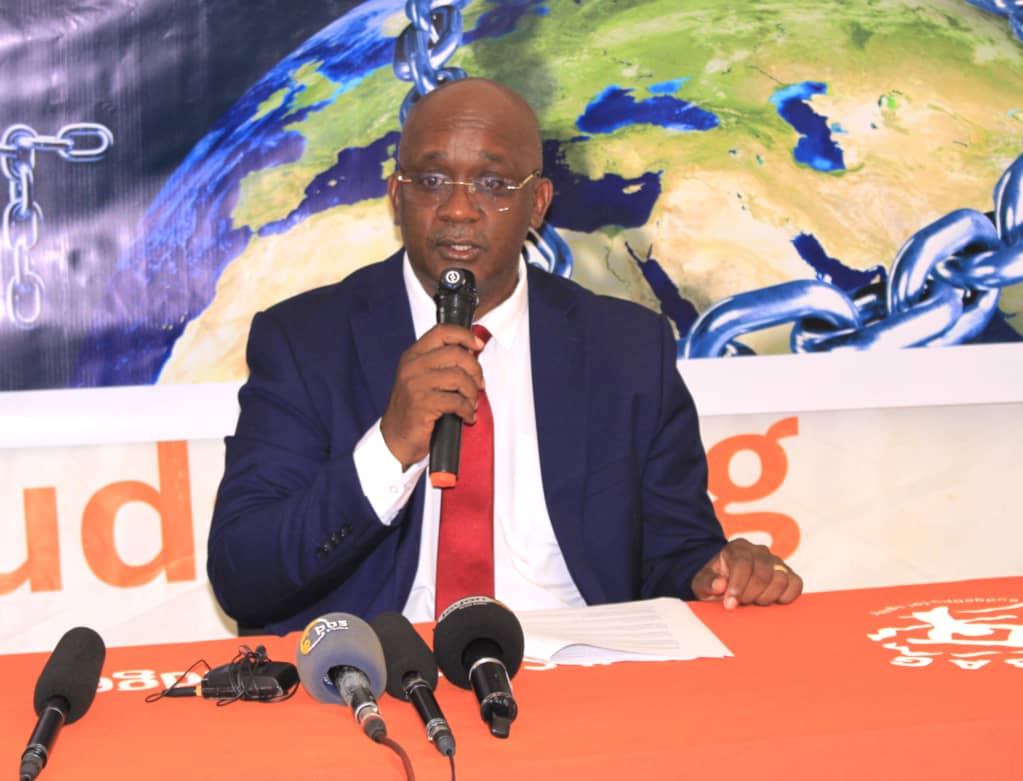
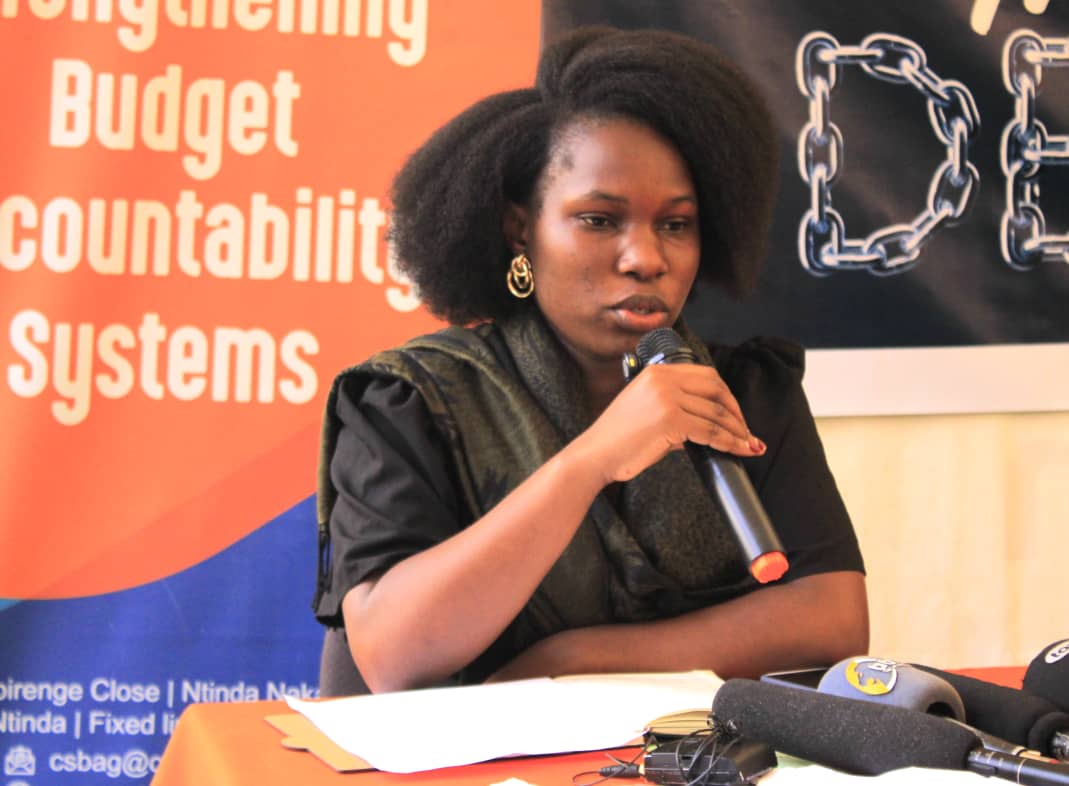
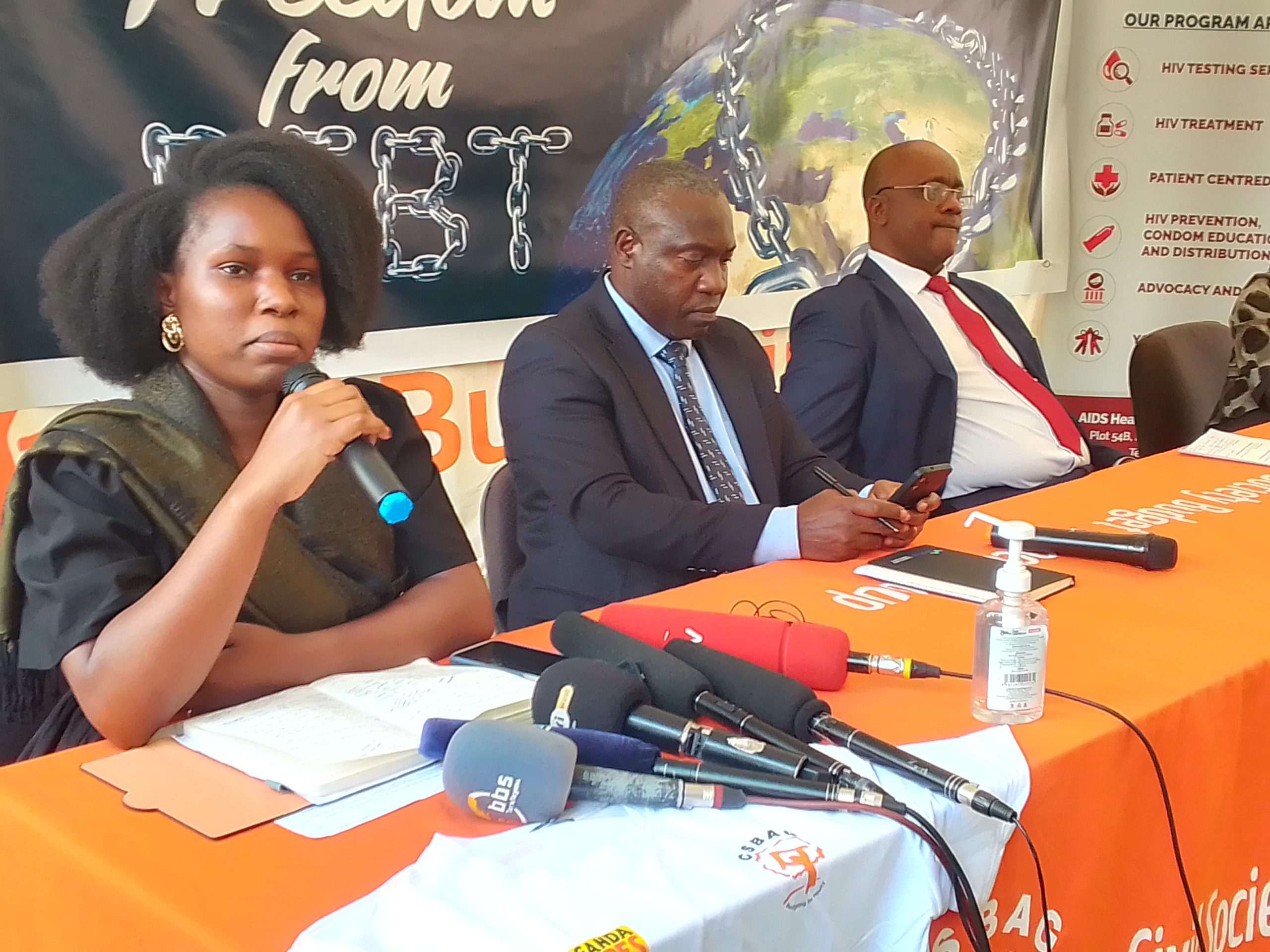
The launch, held at CSBAG offices in Kampala, brought together economists, health experts, journalists, and development advocates in a charged discussion about the structure of global finance, Uganda’s borrowing trajectory, and the growing cost of debt repayment in a country already struggling with service delivery gaps.

“Debt is now a human rights issue”

Speaking at the launch, officials warned that the scale of the global debt crisis is pushing many developing countries into impossible choices between debt repayment and basic survival needs.
Henry Magala, Country Program Director AHF Uganda Cares painted a stark global picture, noting that billions of people now live in countries where governments spend more on interest payments than on health or education.
He emphasized that the campaign is not simply about fiscal policy, but about human survival. In his framing, sovereign debt has evolved into a structural barrier that forces governments to prioritize creditors over citizens.

The concern is mirrored in Uganda’s own fiscal data. The country’s debt stock is projected to hit UGX 130 trillion in the coming fiscal cycle, with interest payments alone estimated at over UGX 14 trillion and additional billions allocated to amortization. Campaigners argue that this trajectory is unsustainable and risks locking Uganda into a cycle of borrowing to repay existing debt.
“Borrowing system is fundamentally unfair”
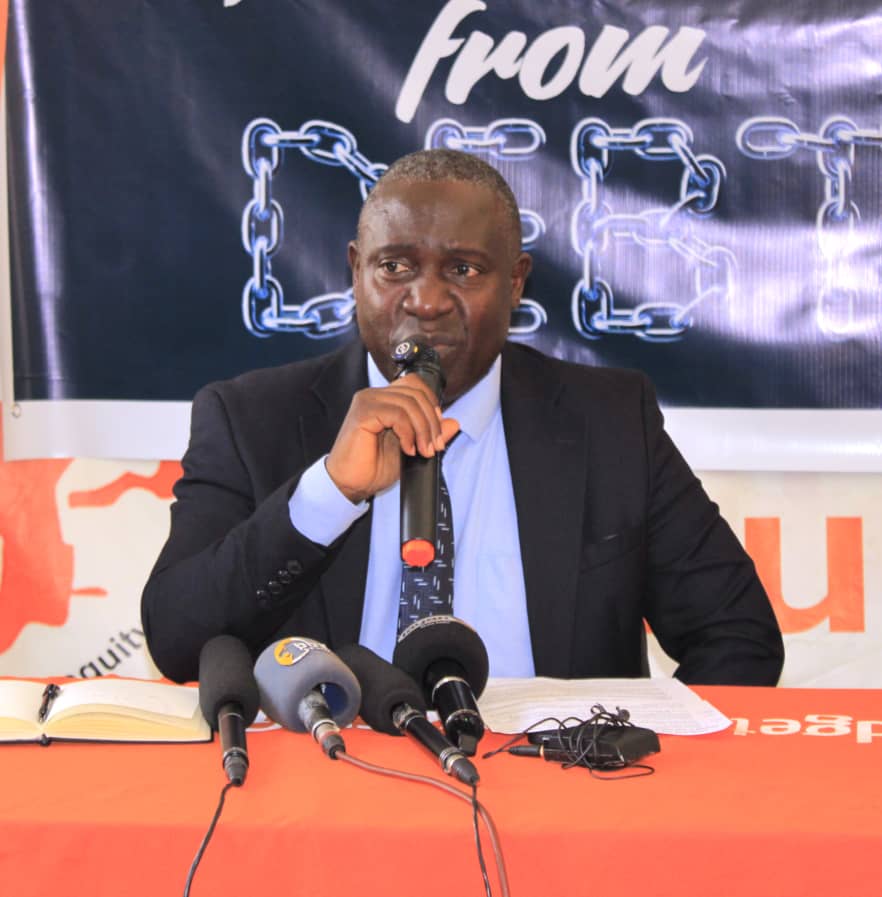
CSBAG Executive Director Julius Mukunda was direct in his critique of both domestic and international financial systems, arguing that the architecture of global lending is structurally biased against developing nations.
He pointed to what he described as unfair borrowing conditions that see countries like Uganda paying significantly higher interest rates compared to wealthier nations, despite being held to similar repayment expectations. According to him, this imbalance reflects a global financial system that prices African countries as inherently risky, regardless of their repayment record or development potential.
Mukunda also criticized hidden costs in borrowing arrangements, including commitment fees for undisbursed loans, which he said penalize governments for money they never actually use. He stressed that borrowing itself is not the problem, but rather the lack of transparency, accountability, and fairness in how debt is contracted and managed.
Weak oversight, corruption and cost overruns
The campaign also spotlighted domestic governance challenges that exacerbate Uganda’s debt burden.
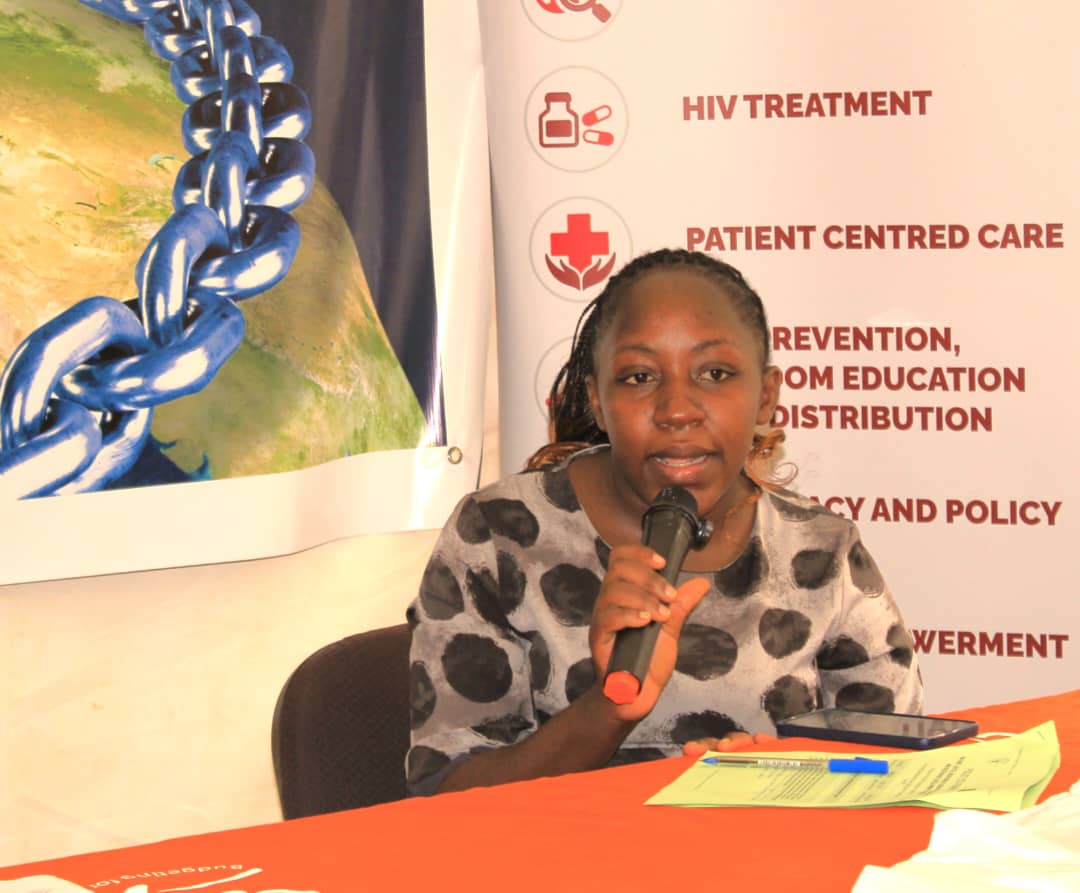
Hilda Tumuhe, Debt and Aid Analyst at the Southern and Eastern Africa Trade Information and Negotiations Institute (SEATINI) Uganda highlighted what she described as “indiscipline in debt management,” citing corruption, procurement inefficiencies, and poor project execution as major drivers of rising costs.
She noted that infrastructure projects often exceed their original budgets by large margins due to delays and mismanagement. In some cases, projects initially estimated at trillions of shillings end up costing nearly double by completion, forcing government to borrow more just to finish already-funded work.
Tumuhe also warned that Uganda’s weak public investment management system reduces the efficiency of borrowed funds, with studies suggesting that for every dollar invested, the country often receives significantly less in real value due to cost overruns and implementation inefficiencies.
Tax gaps and global digital economy challenges
The discussion also extended to global tax fairness, particularly in relation to multinational digital companies.
Peninah Nayiga, Research Fellow at Uganda Debt Network highlighted the limitations of existing double taxation agreements, which she said often allow large multinational corporations to pay minimal taxes in countries where they generate significant revenue.
She explained that many tax treaties prioritize residence-based taxation, meaning profits are taxed in the country where a company is headquartered rather than where economic activity occurs. In Uganda’s case, this results in major global firms deriving substantial income locally while contributing relatively little in tax revenue.
Nayiga argued that reforms under global tax negotiations, including United Nations-led efforts, are critical to ensuring source countries like Uganda can fairly tax digital and AI-driven economic activity. Without such reforms, she warned, developing countries will continue to lose significant potential revenue needed to reduce reliance on borrowing.
Reform proposals: from debt pauses to global levies
The Freedom from Debt Campaign is not only diagnostic but also prescriptive, calling for sweeping reforms at both national and international levels.
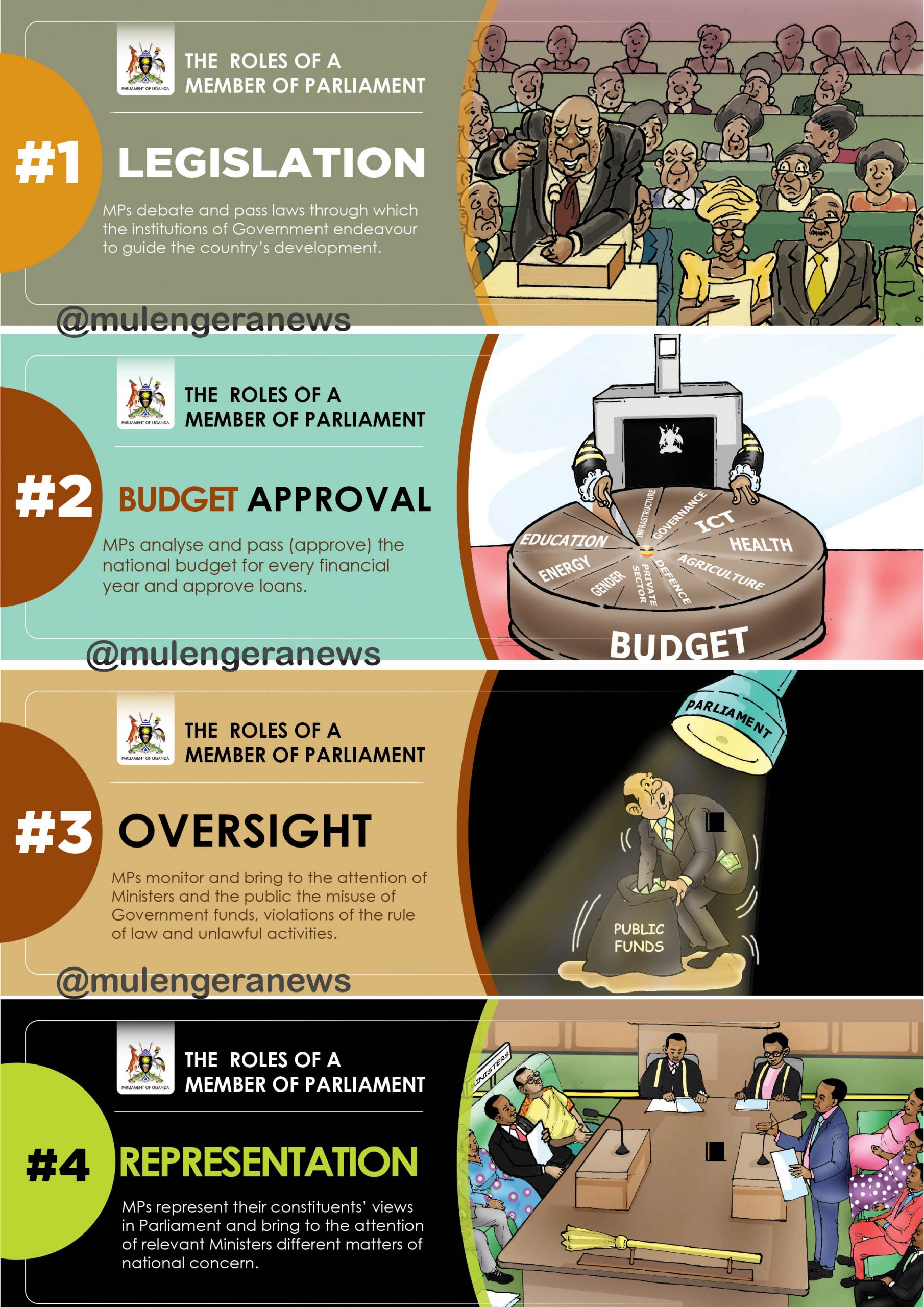
At the domestic level, CSOs are demanding full transparency in borrowing decisions, public access to loan agreements, and stronger parliamentary oversight over debt contracts. They also want borrowing decisions to be more closely aligned with Uganda’s long-term development priorities, particularly in agriculture, education, health, and social protection.
At the global level, campaigners are pushing for the creation of a Borrowers’ Forum that would allow developing countries to negotiate collectively, strengthening their bargaining power against international lenders.
They are also advocating for automatic debt service suspension during crises such as pandemics or climate disasters, arguing that countries should not be forced to continue repayments when citizens are facing emergencies.
Additional proposals include a proposed 1% global artificial intelligence capital levy to finance debt relief and public goods such as vaccines, food systems, and infrastructure. The campaign also supports expanding debt-for-development swaps, where portions of debt are cancelled in exchange for investments in social services.
“A system that drains the South”
Speakers repeatedly returned to a central argument: that the global financial system is structurally tilted in favor of wealthier nations, effectively transferring resources from poorer countries to richer creditors through debt repayment.
They warned that this dynamic undermines sovereignty and weakens domestic development capacity, especially as Uganda and other developing countries face overlapping crises from climate change, post-pandemic recovery pressures, and tightening global credit conditions.
A call for fiscal discipline—and political courage
While much of the discussion focused on external constraints, campaigners also acknowledged the need for domestic reforms. Calls were made for reductions in non-essential government expenditure, tighter control of procurement processes, and elimination of inefficiencies in public spending.
There were also suggestions to curb excessive administrative and travel costs, alongside a broader reassessment of how public funds are allocated across ministries and agencies.
The road ahead
The launch of the Freedom from Debt Campaign signals a growing push by Ugandan civil society to reframe debt not just as an economic indicator, but as a governance and human rights issue with direct consequences for everyday life.
With Uganda’s debt trajectory continuing upward and fiscal space tightening, campaigners argue that the choices made today will determine whether future budgets prioritize repayment to creditors—or investment in citizens.
As the campaign gains momentum, it places Uganda at the center of a broader global debate: whether the international financial system can evolve to support development in the Global South, or whether it will continue to deepen cycles of dependency and inequality. (For comments on this story, get back to us on 0705579994 [WhatsApp line], 0779411734 & 041 4674611 or email us at mulengeranews@gmail.com).