By aggrey Baba
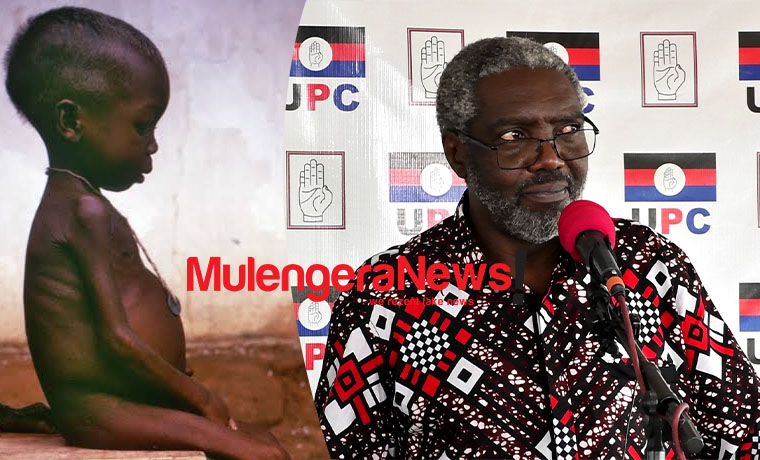
About two million Ugandan children under the age of five could be denied the chance to reach their full potential because of chronic malnutrition, UPC President Jimmy Akena has warned, as he called for a major rethink of how Uganda invests in education, healthcare and its young population.
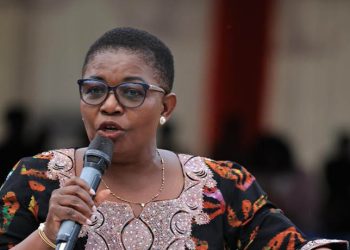
The warning came on Wednesday as Akena addressed journalists at the Uganda People’s Congress headquarters, where he used the country’s ongoing education cycle to raise broader questions about what Uganda is doing to prepare its next generation.
Akena argued that the country’s future can’t be secured merely by building roads, erecting buildings or pursuing economic growth figures if rhe children are entering school already disadvantaged by poor nutrition and inadequate early childhood development.
The UPC prwsident and former Lira East Mp said the country’s greatest resource remains its people, particularly the children currently preparing to join school, and questioned whether Prwsident Museveni’s government is doing enough to prepare them for the responsibilities ahead.
“If you take roughly 8 million and 26% a quarter of them being stunted, that’s roughly 2 million Ugandan children will not have a chance to develop,” Akena said.
He went further and said that the consequences of stunting go beyond physical growth, arguing that children whose development is severely affected during their early years may struggle to realize their potential later in life.
“They could be the greatest footballers; they’ll never achieve it. They could be a surgeon; they’ll never achieve it,” he said.
Akena’s concern comes as thousands of the children in Uganda prepare for national examinations, including PLE, UCE and UACE, but he said the country should look beyond examination results and ask what kind of citizens its education system is producing.
“What are we preparing the Ugandan child for?” he asked.
The former first son linked that question directly to the conditions under which teachers work, arguing that education policy cannot be separated from the welfare of those expected to deliver it.
Akena questioned whether school inspections adequately examine the living conditions of teachers, particularly their accommodation, saying government should be concerned about where teachers live and the circumstances in which they report for work.
“When we’re inspecting the schools, are we inspecting the conditions of accommodation for the teachers? Are we concerned where the teachers live?” he asked.
The same concern, he said, applies to Uganda’s health sector, where shortages of medical personnel continue to affect service delivery.
Akena argued that government should invest in the people delivering public services rather than concentrating only on physical infrastructure. In his view, a hospital building cannot by itself guarantee quality healthcare if the facility does not have enough health workers.
He also questioned the direction of public education, pointing to the growing proportion of examination candidates coming through privately funded schools.
“That raises the question: what has happened to our public education system?” Akena asked, adding that Uganda must therefore treat early childhood development, education, healthcare and agricultural productivity as interconnected components of national development rather than isolated policy areas.