






By Guest Writer
Residents of north-eastern Kampala suburbs including Najjera, Kyanja, Namugongo and Kira should get more water by July next year, when new pipes now being laid are finished, National Water and Sewerage Corporation Managing Director Eng Dr Silver Mugisha has said.
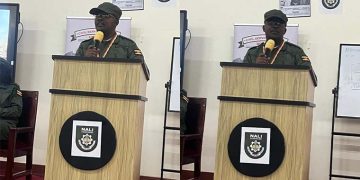
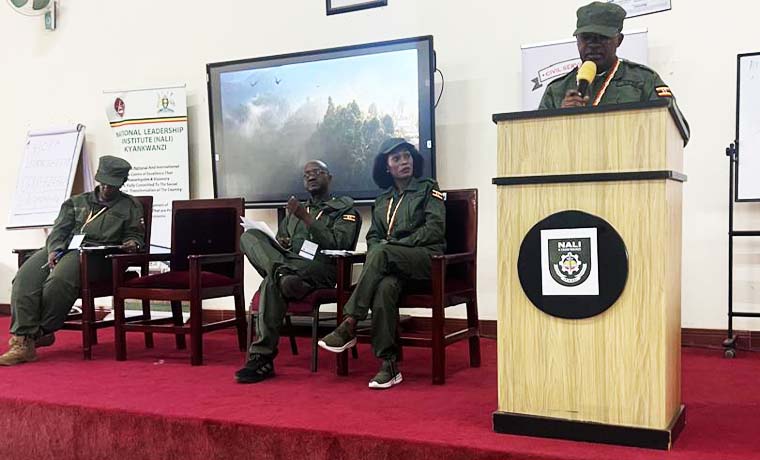
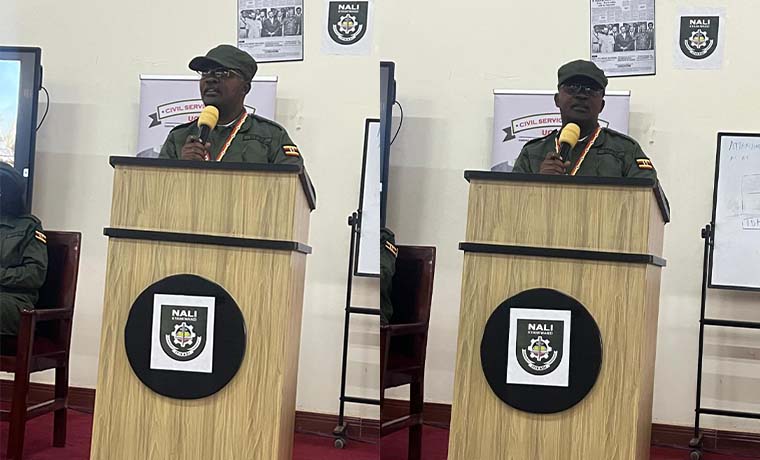
Speaking at the Public Sector Institutions Leadership Retreat at the National Leadership Institute in Kyankwanzi, Eng Dr Mugisha apologized to Kampala residents for persistent shortages. He blamed the shortages on limited network capacity rather than a lack of water.


“The issue is we have a lot of water in the production works, we also have a lot of water in the reservoirs, but we don’t have sufficient water especially in the northeastern part of Kampala because the network capacity is not enough,” he said.
He said once the pipes are complete, the area served by the Ggaba water system would shrink, freeing more of its supply for south-Western Kampala.

Eng Dr Mugisha responded to feedback from the Head of Public Service Ms. Lucy Nakyobe over roads dug up during the pipe works.
“Cutting roads is like bearing a child. When you’re going to bear a child, you cannot get rid of pain,” he said.
He said some road cuts could not be avoided, including when a pipe leaks beneath a finished road, and that the corporation seeks permission in such cases.
The MD acknowledged that NWSC needs to improve how it restores roads after cutting them.
On the risk of El Niño rains, Eng Dr Mugisha said he had directed the corporation’s branch areas, through top management, to submit resilience plans, and that those plans were now coming in.
He also appealed to customers not to resent reminders to pay their bills. He said a top government official had confronted him a day earlier over being reminded to pay.
“When they remind you, please pay, because our payment systems are digital, you can easily pay,” he said. He added that customers who could not pay immediately could approach him so that collection staff could be asked to wait.
Dr Mugisha told participants the corporation’s asset base had grown to over UGX 5.2 trillion and that NWSC intends to raise it to about UGX 6.8 trillion over the next five years and UGX 8.2 trillion by 2035.
He said NWSC now operates in 293 towns, up from 28 in 2015/16, adding that the utility serves 22 million people, compared with 5 million a decade ago, and that water connections have risen from 366,200 to 1.06 million.
A scorecard he presented puts annual turnover at UGX 680 billion, up from UGX 180 billion in 2015/16, and operating profit at UGX 200 billion, up from about UGX 40 billion.
Non-revenue water, which is water lost through leaks, theft and billing errors, stands at 33.9 per cent, according to the scorecard. NWSC aims to cut it to 28 per cent by 2029/30 and below 25 per cent by 2035, using automation and smart metering.
The corporation projects it will serve 35 million people in more than 400 towns by 2035.
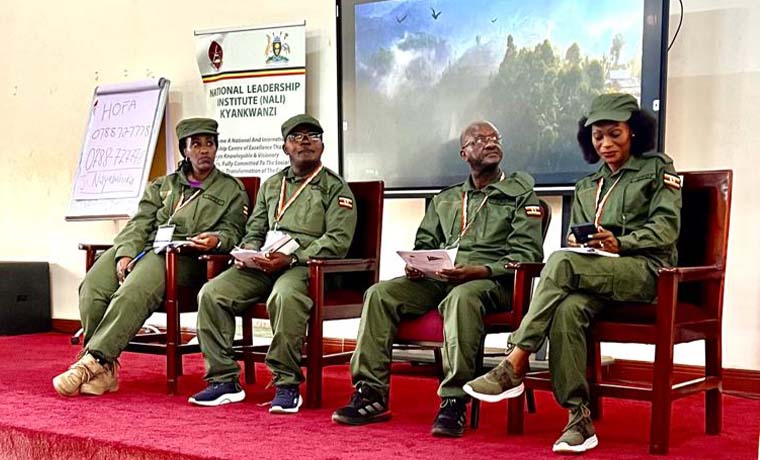
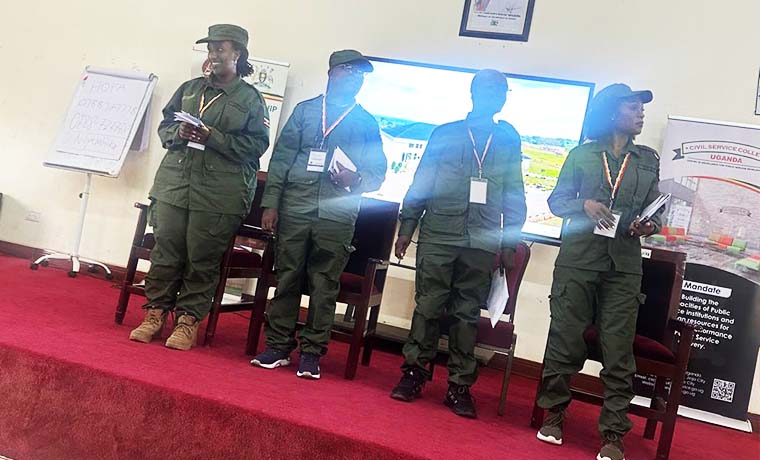
The retreat, themed “From Governance to Impact”, brings together board chairpersons and chief executives of public bodies. It is organised by the Civil Service College Uganda and the Public Sector Chairpersons’ Forum and ends Friday. (For comments on this story, get back to us on 0705579994 [WhatsApp line], 0779411734 & 041 4674611 or email us at mulengeranews@gmail.com).