







By Mulengera Reporters
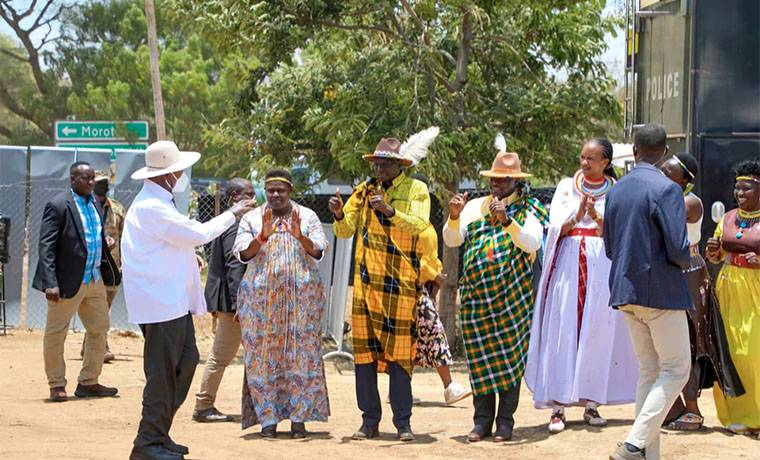
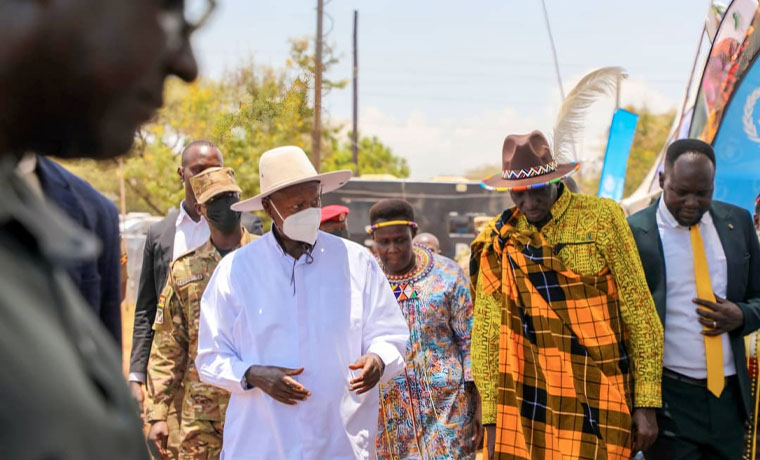
The appearance of President Yoweri Kaguta Museveni at the 11th Karamoja Cultural Event has drawn attention to efforts to transform livestock production and strengthen pastoral livelihoods in the region.
The event, which opened on September 9, 2026, in Karamoja, brings together Ateker pastoral communities from Uganda, Kenya, South Sudan and Ethiopia, alongside government institutions, development partners and other stakeholders.
Held under the theme, “From Heritage to Enterprise: Building Resilient Pastoral Economies through Healthy Livestock, Productive Rangelands, Peace, and Markets,” the event runs from September 6 to 12, with President Museveni serving as chief guest.

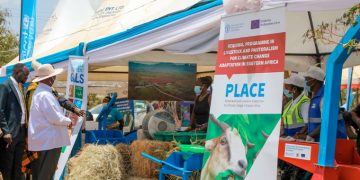
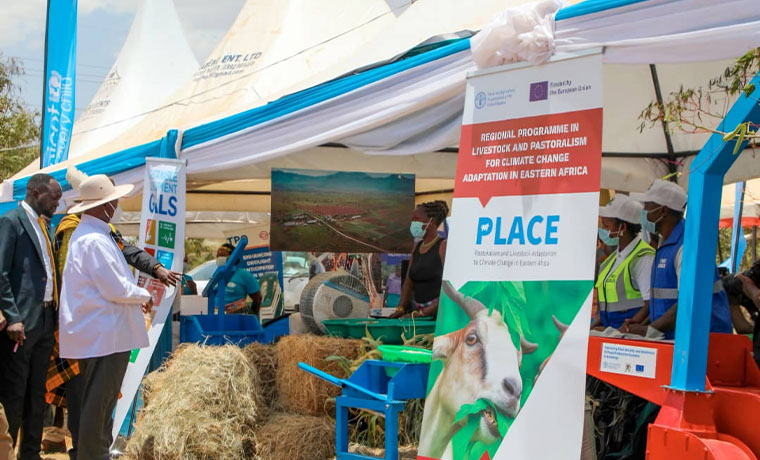
Among the institutions showcasing interventions aimed at transforming livestock production is the National Animal Genetic Resources Centre and Data Bank (NAGRC&DB).

NAGRC&DB is participating under the Healthy Livestock and Productive Rangelands thematic area, where it is highlighting its work in animal genetic improvement and community-based breeding programmes.
A major focus of the centre’s participation is the Goat Community-Based Breeding Programme (CBBP), which it is implementing under the Pastoralism and Livestock Adaptation to Climate Change in Eastern Africa (PLACE) Programme.
The programme is supported by the Food and Agriculture Organization of the United Nations (FAO), with funding from the European Union.

Through the community-based breeding programme, NAGRC&DB works directly with livestock-keeping communities to improve animal genetics and productivity while building resilience to climate change.
The approach places pastoralists at the centre of breeding decisions, enabling communities to participate in identifying and selecting animals with desirable traits that can perform better under local production conditions.
The initiative is particularly relevant to Karamoja, where livestock remains central to the livelihoods, culture and economic activities of pastoral communities.
NAGRC&DB’s exhibition at the cultural event provides an opportunity to demonstrate how improved animal genetics, community participation and better livestock management can contribute to more productive and resilient pastoral systems.
The centre’s participation also underscores the importance of partnerships between government, communities and development organisations in addressing challenges affecting livestock production.
As communities celebrate their shared cultural heritage, the event is also providing a platform to explore ways of turning pastoral traditions and livestock resources into sustainable economic opportunities.
NAGRC&DB says its participation reinforces its commitment to sustainably improving and utilising Uganda’s animal genetic resources for enhanced livelihoods and national development. (For comments on this story, get back to us on 0705579994 [WhatsApp line], 0779411734 & 041 4674611 or email us at mulengeranews@gmail.com).