






By Ben Musanje
The Government has pledged to strengthen collaboration with survivor-led organizations in the fight against human trafficking and modern slavery as Footprint to Freedom launched a revised three-year strategy focused on prevention, survivor protection, recovery and sustainable reintegration.
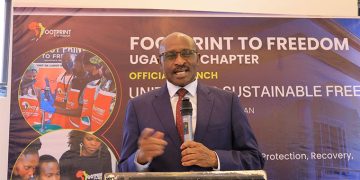
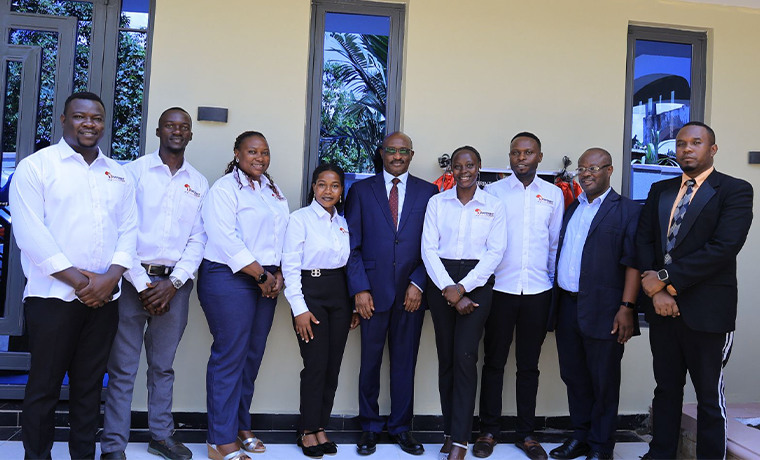
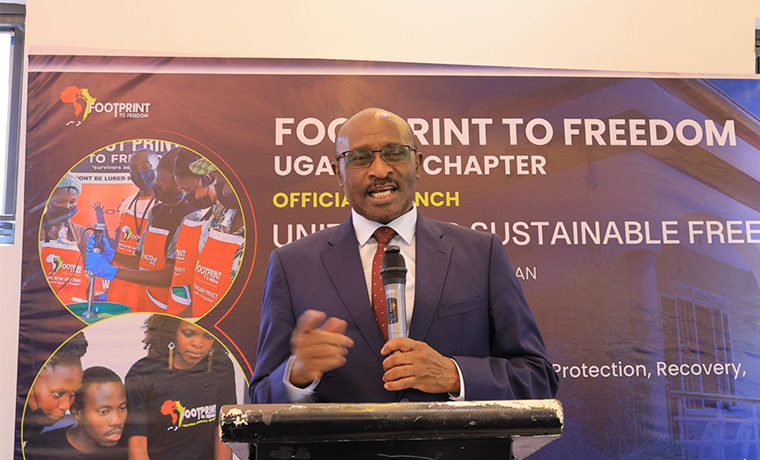
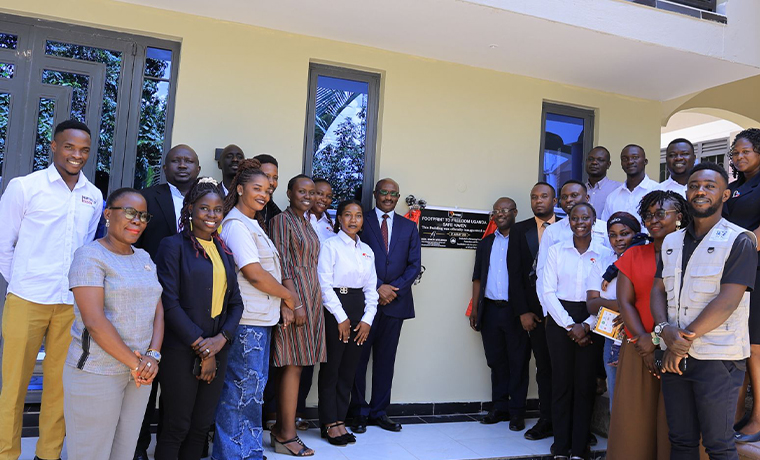
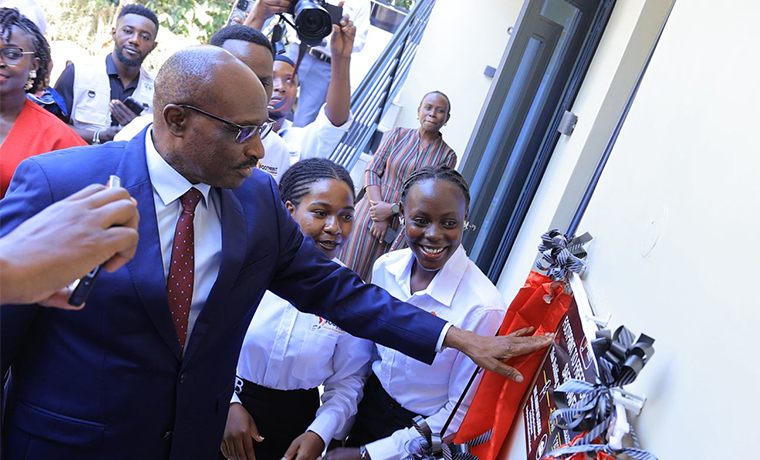
State Minister for Labour, Employment and Industrial Relations Simon Mulongo officiated the launch of the Footprint to Freedom Revised Strategic Plan 2026–2029 and the opening of the organisation’s new office and facility at Namyoya Village in Goma Division, Mukono District.
Footprint to Freedom is a survivor-led organisation working to prevent human trafficking and support survivors through protection, recovery, empowerment, advocacy and pathways to sustainable independence.

The revised strategy builds on the organisation’s existing prevention and empowerment programmes in schools, communities and churches, while introducing a stronger and more structured survivor protection and recovery response.
The strategy is anchored on four pillars: prevention; empowerment and skills development; protection and recovery; and reintegration, survivor leadership and advocacy.
The organisation’s strategic direction is summarised as Prevention → Empowerment → Protection and Recovery → Reintegration and Independence.
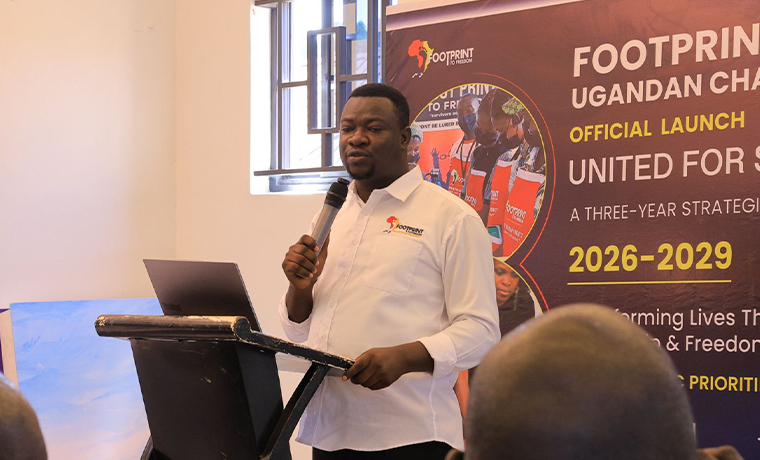
Presenting the strategy, Footprint to Freedom Board member Emmanuel Wataka said the revision was driven by the recognition that preventing trafficking must be matched with sustained support for people who have already experienced exploitation.

“Prevention must be matched by a stronger and more structured response for people who have already experienced trafficking,” Wataka said.
He said survivors often require more than rescue or referral, including safe accommodation, case management, psychosocial support, health and legal services, skills development, livelihood support and assistance to rebuild their lives independently.
Under the new strategy, Footprint to Freedom will continue strengthening school-based awareness programmes and school clubs while expanding community engagement and prevention messaging.
The organisation will also link practical skills such as fashion and design and soap making to financial literacy, entrepreneurship, vocational development and livelihood opportunities.
A key component of the revised strategy is the establishment of a Safe Haven for survivors who cannot immediately return to safe and stable living arrangements.
The Safe Haven is designed as part of the protection and recovery pillar rather than as a standalone shelter programme.
It will provide confidential accommodation, case management, psychosocial support, health and legal referrals, education, life skills, vocational preparation, financial literacy, livelihood planning, transition support and aftercare.
The facility will primarily serve female survivors of commercial sex trafficking and sexual exploitation, including those affected by trafficking within Uganda and cross-border trafficking situations.
It is planned to accommodate a maximum of eight survivors at a time, with a standard stay of not more than three months, depending on individual safety assessments and recovery plans.
Wataka said the purpose of the facility was to provide survivors with a structured pathway from immediate protection to recovery, skills development and eventual independence.
“The Safe Haven is not a separate strategy and it is not the whole of Footprint to Freedom,” he said. “It is a platform within the protection and recovery pillar through which survivors can stabilise, heal, develop skills and prepare for the next stage of their lives.”
The organisation plans to provide each survivor with an individual recovery and reintegration plan, including appropriate education, employment, enterprise, apprenticeship and housing pathways.
After leaving the Safe Haven, survivors will continue receiving structured follow-up and referrals to reduce the risk of isolation and re-exploitation.
The three-year strategy will be implemented in phases. The first year will focus on establishing protection, safeguarding, case management, referral and recovery systems.
The second year will deepen prevention, healing, skills development and livelihood preparation, while the third year will focus on sustainability, reintegration, aftercare, evidence and long-term partnerships.
By 2029, Footprint to Freedom aims to have an integrated model in which prevention, empowerment, survivor protection, recovery and reintegration are connected.
The organisation also plans to strengthen partnerships with government institutions, health and psychosocial service providers, legal and justice-sector actors, education and vocational institutions, employers, community organisations and other anti-trafficking agencies.
A priority partnership identified in the strategy is collaboration with Atlas Free to strengthen survivor protection and recovery, specialised services, skills and livelihoods, organisational capacity and resource mobilisation.
Footprint to Freedom says sustainability will also depend on diversified funding, strategic partnerships, local resource mobilisation, in-kind support and carefully assessed social enterprise opportunities.
The organisation will monitor outcomes including survivor safety, access to psychosocial and health services, skills development, economic empowerment, safe reintegration and sustained independence.
The revised strategy is intended to complement Uganda’s wider efforts to combat trafficking by placing survivor needs at the centre of prevention and response.
At the launch, Minister Simon Mulongo officially unveiled the strategy and opened Footprint to Freedom’s new office and facility in Mukono, marking what the organisation described as a new phase in its survivor-led approach to ending trafficking and modern slavery.
The organisation says its ultimate goal is to break the cycle of trafficking by creating a pathway from vulnerability to resilience, exploitation to recovery, and recovery to sustainable independence. (For comments on this story, get back to us on 0705579994 [WhatsApp line], 0779411734 & 041 4674611 or email us at mulengeranews@gmail.com).