






By Ben Musanje
The Government of Uganda will on October 1, 2026, commemorate the International Day of Older Persons with a virtual event hosted from State House, Entebbe, as authorities turn the spotlight on the welfare, dignity and protection of the country’s ageing population.
The commemoration will be held under the theme, “Ageing with Dignity: Strengthening Care and Support Systems,” following Cabinet’s approval of the arrangements.
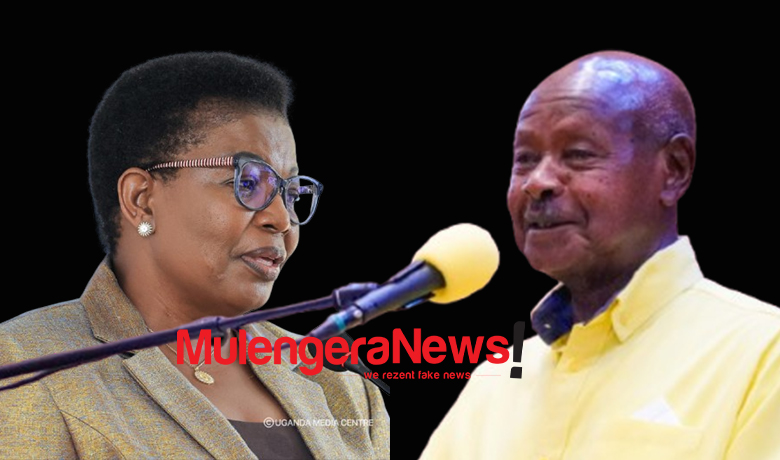
Minister for ICT and National Guidance Justine Kasule Lumumba announced the Cabinet resolution during a press conference at the Uganda Media Centre in Kampala on Tuesday.

President Yoweri Kaguta Museveni will be the Chief Guest at the virtual commemoration.

According to Lumumba, the occasion will provide an opportunity for the country to recognise the contribution older persons continue to make to families, communities and national development, while drawing attention to the need for stronger systems of care and protection.
Uganda has about 2.3 million people aged 60 and above, representing roughly five percent of the population, with women accounting for about 56 percent of older persons.
As life expectancy rises to around 68 years, the growing population of older Ugandans is also facing a range of social and economic challenges, including poverty, chronic illness, limited mobility and inadequate access to specialised healthcare.

Older persons bearing household responsibilities
Despite their age, many older Ugandans remain important providers and caregivers within their families and communities.
About 17 percent of older persons head households, with some taking responsibility for vulnerable children and orphans.
The majority live in rural areas, where many continue to depend on small-scale farming for food and income.
However, declining physical capacity, limited access to markets and healthcare, and rising household costs can make it increasingly difficult for older persons to sustain themselves.
Traditional family-based support systems are also coming under pressure as families contend with economic hardships, leaving some elderly people struggling to afford basic necessities such as food and medicine.
Health and property challenges
Healthcare is another major concern for Uganda’s ageing population.
Non-communicable diseases, including high blood pressure and diabetes, as well as joint and mobility problems, are common among older persons. Yet many rural health facilities have limited access to specialised geriatric services.
Older women, particularly widows, also face vulnerabilities related to land and property ownership.
In some cases, widows lose access to land and other property following the death of their spouses, as disputes arise with extended family members over inheritance and ownership rights.
The challenges highlight the importance of the theme chosen for this year’s commemoration, which places emphasis on dignity, care and support systems for older persons.
Government support
The Government provides social protection support to older persons through the Social Assistance Grant for Empowerment (SAGE) programme, which provides a monthly cash grant to eligible senior citizens.
The programme is intended to help older persons meet basic needs and improve their household welfare, particularly among those without reliable sources of income.
The government has also adjusted the qualifying age for the senior citizens’ grant to 65 years in an effort to extend coverage to more vulnerable older persons.
The monthly grant has been reported at Shs25,000, although recent policy announcements have also indicated an increase to Shs35,000.
Beyond financial assistance, older persons have dedicated representation structures, including councils and representation within local government structures and Parliament.
Calls for stronger care systems
The October 1 commemoration is expected to provide a platform for renewed attention to the challenges facing Uganda’s ageing population and the role of government, families and communities in addressing them.
The focus on care and support comes as the country’s demographic profile changes and more Ugandans live into older age.
For many older persons, maintaining dignity depends not only on income support but also on access to healthcare, secure land and property rights, family support and protection from abuse and exploitation.
The virtual event at State House, Entebbe, will therefore bring together national attention around the need to strengthen systems that allow older Ugandans to age with security, dignity and continued participation in society.(For comments on this story, get back to us on 0705579994 [WhatsApp line], 0779411734 & 041 4674611 or email us at mulengeranews@gmail.com).