










By Mulengera Reporters
Uganda’s fish farmers could soon see a major reduction in production costs following a UGX56.9 billion investment in a modern fish feeds manufacturing factory in Mpigi District, aimed at addressing the country’s shortage of quality and affordable feeds.
The investment, being undertaken by Masheda Feeds Limited with support from the Uganda Development Corporation (UDC), is expected to reduce Uganda’s dependence on imported fish feeds while creating a reliable market for thousands of local agricultural producers.
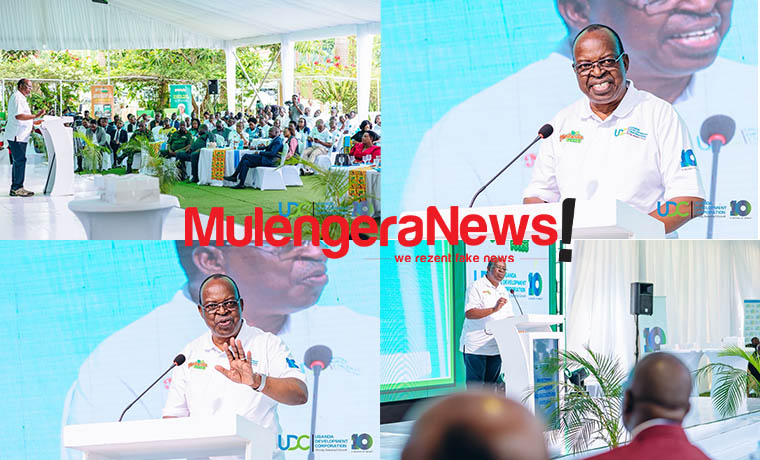
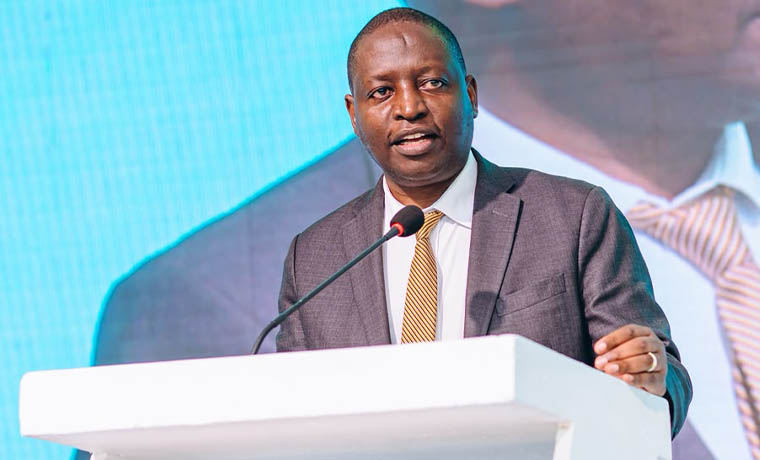
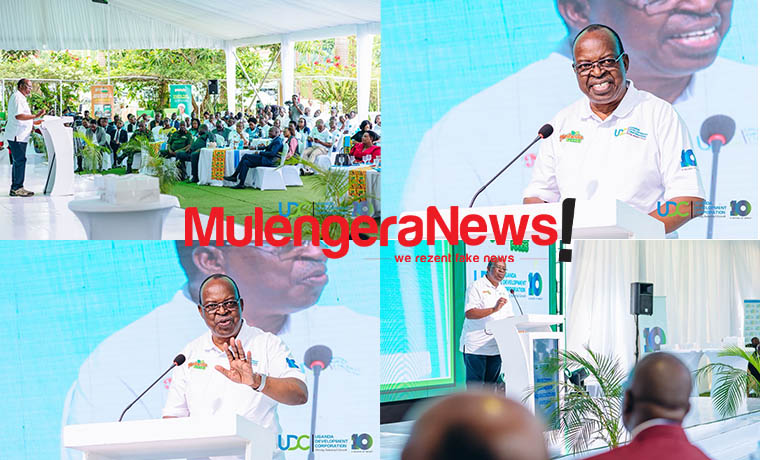
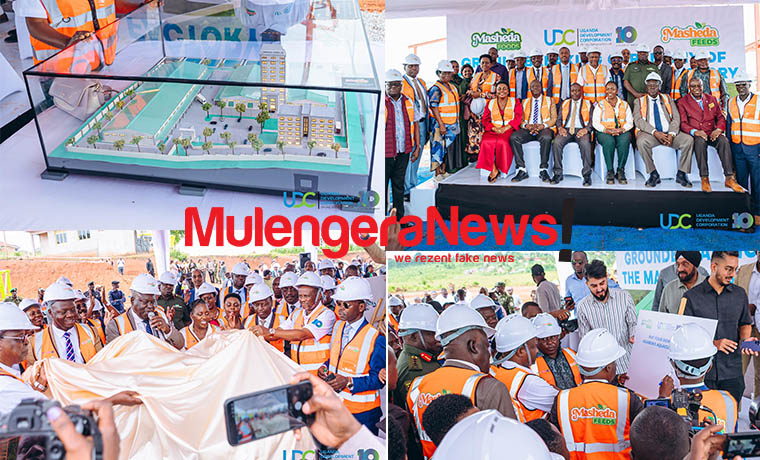
The project was unveiled on Thursday during a groundbreaking ceremony at Buyala in Mpigi District, where State Minister for Trade, Industry and Cooperatives David Bahati represented Gen Salim Saleh as chief guest.
Masheda Managing Director, Marvin Lwasa, said the factory would address one of the biggest obstacles to commercial aquaculture in Uganda, where the high cost of feeds has continued to discourage farmers from expanding production.
He explained that feeds account for approximately 75% of the cost of raising fish, making them the single biggest expense in commercial fish farming.
According to him, the price of fish feeds has increased from approximately UGX4,500 per kilogramme to UGX6,400, pushing the cost of a 25-kilogramme bag to about UGX160,000.
He said the situation had made fish farming increasingly expensive, particularly for small-scale farmers who cannot afford the high cost of imported feeds.
“One of the biggest issues is that all our feeds have been imported until today, to a point where, in any livestock feeds, fish feeds is the most expensive in the country,” he said.
The company expects to reduce its feed production costs by 45% through the use of locally sourced agricultural raw materials and protein produced from black soldier fly larvae.
The factory, which will be equipped by international technology company Buhler, is designed to produce 33,600 tonnes of feeds annually, with capacity for expansion to 58,000 tonnes.
The project also incorporates an automated black soldier fly production facility that will process approximately 30 tonnes of organic waste daily, converting it into high-protein ingredients for animal feeds and organic fertilizers.
The Managing Director said the company would use the protein produced at the facility to reduce reliance on expensive conventional protein ingredients, one of the major cost drivers in fish feed manufacturing.
“The most expensive component, which is the protein, the crude protein, we are going to produce in one of our plants here,” he said.
He said the company intended to use agricultural products such as soybean meal, maize and cottonseed cake sourced from Ugandan farmers, creating a ready market for local producers while reducing the need to import finished feeds.
At full production, the factory is projected to require approximately 17,000 tonnes of soybean, 26,000 tonnes of maize, 11,000 tonnes of wheat and 25,000 tonnes of rice annually.
These supplies are expected to be sourced from more than 7,600 smallholder farmers.
The investment is also expected to create more than 90 direct jobs after commissioning, in addition to opportunities in agricultural production, transport, waste collection and other supporting businesses.
Masheda said its ambition went beyond manufacturing feeds for its own fish farming operations, with plans to supply independent commercial farmers, farmer associations and distributors across Uganda.
The company intends to use the Uganda Catfish Farmers Federation to organize farmers and help them access affordable fingerlings, feeds, technical expertise and reliable markets.
The MD said the company was already involved in different stages of the aquaculture value chain, including fingerling production, commercial fish farming and fish processing.
Its hatchery currently produces approximately two million fingerlings monthly, while its wider fish farming operations involve hundreds of ponds and outgrower farmers.
Through its Kembogo Aquaculture Park in Kyankwanzi District, the company has also trained and engaged more than 200 formerly homeless youths in commercial fish farming.
The company’s strategy is to replicate the integrated aquaculture model in different districts, enabling communities to participate in fish production while guaranteeing farmers access to inputs and markets.
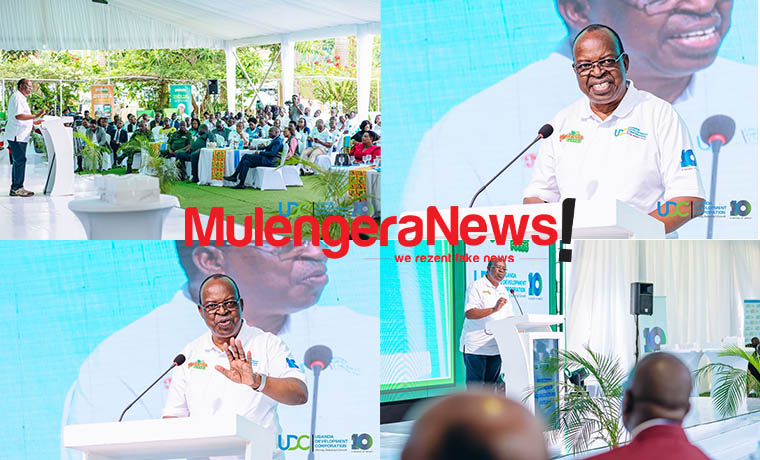
UDC Executive Director Patrick Birungi said the corporation was attracted to the investment because of its potential to address a major constraint in Uganda’s fisheries sector.
He explained that UDC initially engaged Masheda over the need to expand fish processing capacity after the company identified growing demand for its products, particularly in the Democratic Republic of Congo.
However, discussions revealed that the bigger challenge was insufficient fish supplies to satisfy the available markets, with the shortage largely linked to expensive and poor-quality feeds.
The UDC boss said Masheda had previously been importing feeds from Egypt, despite supplying some of the agricultural ingredients used in their manufacture.
UDC has so far invested UGX26 billion in the project and plans to inject another UGX30 billion, bringing its contribution to approximately UGX56 billion. (For comments on this story, get back to us on 0705579994 [WhatsApp line], 0779411734 & 041 4674611 or email us at mulengeranews@gmail.com).