






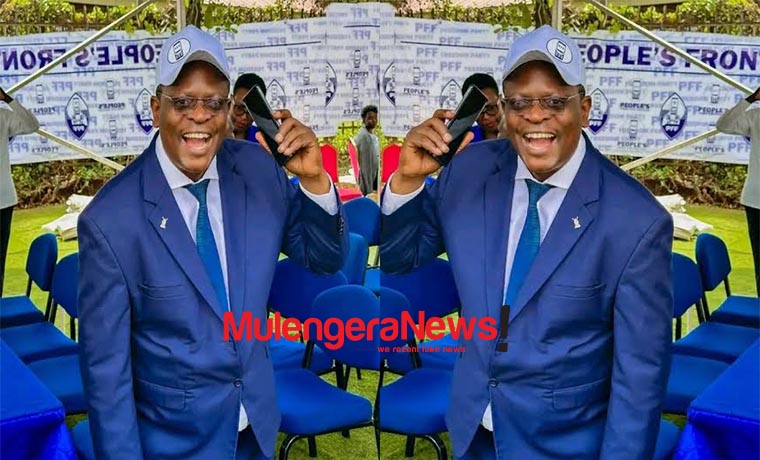
By Aggrey Baba
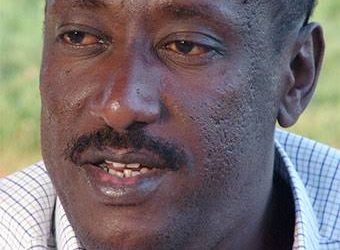
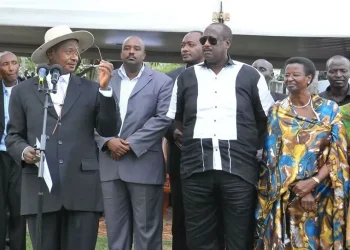
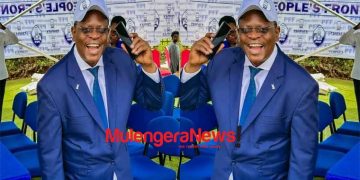
PFF’s Dr Michael Lulume Bayiga has accused President YK Museveni, his brother Gen Salim Saleh and First Son/CDF Gen Muhoozi Kainerugaba of using the proposed national dialogue and Consociational Democracy Agreement to prepare the country for a family-controlled succession, warning opposition politicians against helping them legitimize what he called a political dynasty.
Lulume argued that the much-publicized dialogue is being packaged as a national reconciliation initiative when its real objective, in his assessment, is to secure the Museveni family’s continued grip on power beyond Museveni’s four-decade rule.
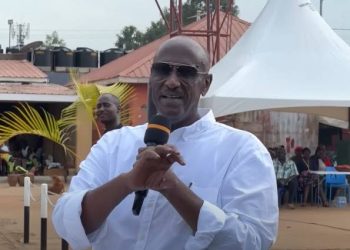
His accusations come amid growing debate over the proposed Consociational Democracy Agreement, a 137-page document authored by Gen Saleh and Professor Ogenga Otunnu following a political retreat in Jinja on October 15 -16, 2026. The proposal seeks to address Uganda’s longstanding political divisions through negotiated power-sharing, inclusive governance and institutional reforms, including the establishment of a three-chamber National Consociational Council. Political actors who received the document were asked to consult their respective parties and members before further engagement on the proposed national settlement.
However, rhe PFF leader says the involvement of Museveni, Gen Saleh and Muhoozi in the unfolding succession debate exposes an attempt to turn political future of Uganda into a family affair, with the opposition being invited to negotiate positions inside an arrangement whose ultimate beneficiaries are already predetermined.
Addressing the press at Katonga Road on Monday, Lulume warned opposition leaders against being carried away by the language of dialogue, national unity and power-sharing, arguing that Uganda risks being drawn into negotiations that would leave the Museveni political universe untouched.
“All that they are interested in is nothing else but a succession plan in one family,” Bayiga charged.
He accused the architects of the proposed engagement (Salim Saleh and Ogenga Otunnu) of using the language of reconciliation to disguise a political project aimed at managing the transfer of power within the First Family rather than opening the country’s political space to genuine democratic competition.
The danger, according to Lulume, is not simply that some individuals within the opposition could be offered government positions, but that their participation could be presented as evidence that Uganda has achieved national consensus when the fundamental question of who controls the state remains unresolved.
He likened the proposed dialogue to inviting people to a dining table after subjecting them to years of oppression, cautioning that the attractions of negotiations and political accommodation should not blind opposition leaders to the larger political agenda.
Lulume specifically warned against what he sees as an emerging attempt to institutionalize a monarchy under the cover of consociational democracy, with Museveni’s family retaining decisive influence over the country’s political direction.
He challenged fellow opposition leaders to examine what meaningful authority they would actually exercise after joining an arrangement dominated by the NRM establishment.
Bayiga cited Justice Minister Norbert Mao as an example, questioning whether accepting a senior government position has given the controversial opposition leader sufficient political independence to influence the direction of the government.
His argument is that political accommodation should not be mistaken for power-sharing, especially where opposition leaders are brought into government without changing the structures through which political authority is exercised.
He went even further and reminded opposition leaders that the people of Uganda rejected the Movement political arrangement through a referendum and returned the country to multiparty politics, restoring the constitutional space for political parties to compete, organize and cooperate independently.
He accused Museveni himself of promoting a version of political cooperation that effectively requires opposition leaders to abandon their independent political positions and become absorbed into the NRM.
PFF, he insisted, is not interested in collecting government appointments or negotiating its way into a political arrangement that leaves the existing power structure intact.
Instead, Dr Lulume said any credible national dialogue must begin with the question of how Uganda exits the current political order and establishes institutions that can operate independently of Museveni and his family.
He outlined a transition government, a new Constitution, truth and reconciliation mechanisms, independent state institutions, federal governance and genuinely free elections as essential elements of the political settlement PFF wants.
He maintained that the country cannot resolve its political crisis by distributing positions among the same political actors while leaving unresolved the questions of democratic accountability, institutional independence and the transfer of power.
He continued and called on the international community, the East African Community and the African Union to resist lending legitimacy to an arrangement he considers designed to prolong the NRM and Museveni’s political survival.
He wants international partners to support a genuine political transition rather than endorse negotiations that, in his view, could provide a democratic appearance to the continuation of family-centred rule.

His intervention exposes a major fault line within Uganda’s opposition over the proposed Saleh-led Consociational Democracy Agreement, whether to engage the Museveni establishment in pursuit of negotiated reforms or reject the process as an elaborate political maneuver to preserve the existing order.
The central issue, for Lulume and his party is not how many people from the opposition can secure seats at Museveni’s negotiating table, but whether Uganda can finally move beyond a political system in which the country’s leadership and succession are allegedly being treated as a family arrangement. (For comments on this story, get back to us on 0705579994 [WhatsApp line], 0779411734 & 041 4674611 or email us at mulengeranews@gmail.com).