






By Mulengera Reporters
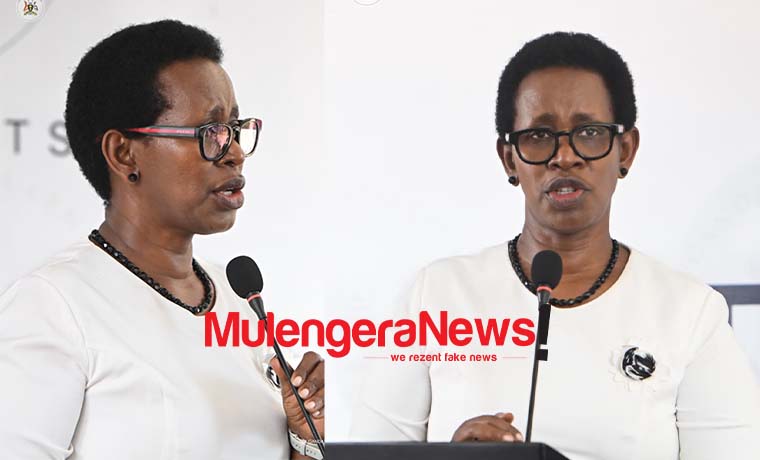
HIV prevalence among young Ugandan women more than doubles between the teenage years and early 20s, with the rate rising from 1.3 per cent among those aged 15 to 19 to 2.8 per cent among women aged 20 to 24, according to preliminary findings of the 2025 Uganda Population-based HIV Impact Assessment (UPHIA).
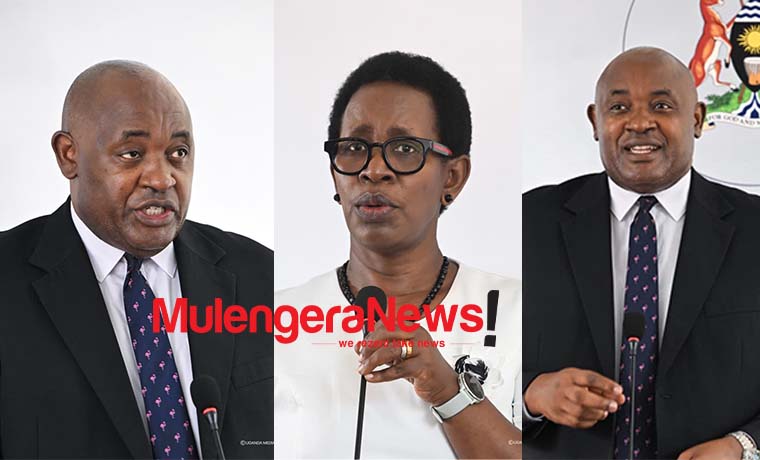
The findings have raised concern over the vulnerability of adolescent girls and young women to HIV infection, with Health Minister Dr. Chris Baryomunsi calling for prevention and testing interventions to begin earlier among young people at risk.
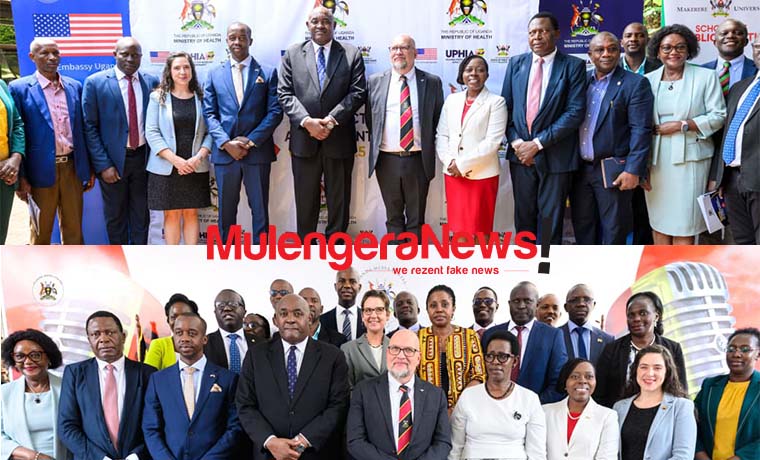
The survey, whose preliminary results were released at the Uganda Media Centre in Kampala on Thursday, found that HIV prevalence among young people aged 15 to 24 stood at 1.5 per cent. However, young women were twice as likely as young men to be living with HIV, with prevalence at 2.0 per cent among women compared with 1.0 per cent among men.

The gap becomes more pronounced as young people move into their early 20s.

Among men, HIV prevalence increased from 0.6 per cent among those aged 15 to 19 to 1.5 per cent among those aged 20 to 24. Among women, it rose from 1.3 per cent to 2.8 per cent over the same age groups.
The findings suggest that the transition from adolescence into early adulthood remains a critical period for HIV prevention and testing, particularly for girls and young women.
Baryomunsi said the results point to the need for interventions to reach young people earlier rather than waiting until they are already in their 20s.

The minister said the Government would use the evidence from UPHIA 2025 to protect gains made in the HIV response while directing resources and services towards people and communities where the greatest gaps remain.
Karamoja records lowest HIV prevalence
The survey also reveals wide regional variations in HIV prevalence, with Karamoja recording the lowest rate in the country at 1.3 per cent.
West Nile followed with 1.4 per cent, while Busoga recorded 4.0 per cent, Mid-Eastern 4.4 per cent and Teso 4.8 per cent.
Kampala recorded an HIV prevalence of 5.4 per cent, while the Mid-Western and Mid North regions recorded 6.1 per cent and 6.8 per cent respectively.
The highest prevalence was recorded in the South Western region at 8.0 per cent.
Central 1, comprising Wakiso, Mpigi and greater Masaka, followed at 7.3 per cent, while Central 2, comprising Greater Mubende, Luwero and Mukono, recorded 7.2 per cent.
The regional differences underscore the uneven distribution of HIV across the country and the need for health services and prevention efforts to respond to the specific needs of different populations and locations.
At national level, however, the overall HIV picture has remained relatively stable.
National HIV prevalence remains at 5.9 per cent
The UPHIA 2025 preliminary findings put HIV prevalence among adults aged 15 years and above at 5.9 per cent, comprising 7.3 per cent among women and 4.1 per cent among men.
The estimate translates to approximately 1.496 million adults aged 15 years and above living with HIV in Uganda.
Among adults aged 15 to 49 years, HIV prevalence was 5.5 per cent, with women recording 7.1 per cent compared with 3.5 per cent among men.
The overall adult prevalence remains largely unchanged from the 2020/2021 UPHIA findings.
But while the national prevalence has remained stable, Uganda has registered considerable gains in HIV treatment and viral suppression.
Uganda records progress on HIV treatment
The survey found that 85.3 per cent of adults living with HIV knew their status, 99.1 per cent of those who knew their status were on antiretroviral treatment, and 96.5 per cent of those receiving treatment had achieved viral suppression.
The figures represent improvement across all three indicators compared with the previous UPHIA surveys conducted in 2016/2017 and 2020/2021.
The global and national 95-95-95 targets seek to ensure that 95 per cent of people living with HIV know their status, 95 per cent of those who know their status are on treatment and 95 per cent of those on treatment achieve viral suppression.
The latest figures show that Uganda has made particularly strong progress among people who have already been diagnosed and enrolled on treatment.
The remaining major gap is HIV diagnosis.
About 14.7 per cent of people living with HIV were not aware of their status, meaning that roughly one in seven people living with HIV remained undiagnosed at the time covered by the survey.
“The headline message is encouraging, but it is also clear about where we must focus,” Baryomunsi said.
“Almost everyone who knows they are living with HIV is on treatment, and almost everyone on treatment has suppressed the virus. Our biggest remaining gap is at the very start: about one in seven people living with HIV do not know their status.”
Viral suppression improves
The survey found that 86.0 per cent of all adults aged 15 years and above living with HIV had suppressed viral loads, regardless of whether they knew their status or were receiving antiretroviral treatment.
This represents a substantial improvement from the 75.4 per cent recorded in the 2020 survey.
Viral load suppression is a key measure of HIV treatment effectiveness. People with suppressed viral loads are less likely to experience HIV-related complications and have a greatly reduced risk of transmitting the virus.
Suppression was highest among older adults. Among people living with HIV aged 55 to 64 years, 93.8 per cent of women and 98.8 per cent of men had suppressed viral loads.
The picture was less favourable among younger people.
Among women aged 15 to 24 living with HIV, viral load suppression stood at 64.1 per cent. The survey could not produce a reliable estimate for men living with HIV in the same age group because of the small number of participants.
Across the country, viral load suppression ranged from 78.0 per cent in the Mid-Eastern region to 92.3 per cent in the South Western region. The ministry said suppression had improved in all regions compared with the previous UPHIA assessments.
Survey also tracks hypertension, diabetes and obesity
UPHIA 2025 also measured selected indicators of non-communicable diseases, reflecting the Government’s growing focus on integrating HIV services with broader primary healthcare.
The survey found that 15.5 per cent of participants aged 15 years and above had elevated blood pressure, while 0.9 per cent had elevated blood glucose.
A further 24.8 per cent of participants aged 15 years and above were overweight or obese.
Baryomunsi said the evidence would help the Government strengthen integrated health services for HIV and chronic conditions such as hypertension and diabetes.
High participation in national survey
UPHIA 2025 was conducted between July and September 2025 across all regions of Uganda.
The assessment was led by the Ministry of Health in collaboration with Makerere University School of Public Health, the Uganda Bureau of Statistics, the Uganda Virus Research Institute, regional referral hospitals, districts and implementing partners.
The survey was funded by the United States President’s Emergency Plan for AIDS Relief (PEPFAR) through the US Centers for Disease Control and Prevention (CDC).
Of the 6,283 eligible households, 94.4 per cent participated.
Among eligible women and men aged 15 years and above, 96.2 per cent of women and 91.2 per cent of men were interviewed. HIV testing was subsequently conducted among 97.8 per cent of interviewed women and 97.4 per cent of interviewed men.
The assessment collected information on HIV prevalence, incidence, viral load suppression and the uptake of HIV prevention, care and treatment services. Home-based HIV counselling and testing were also provided, with people who tested positive referred to antiretroviral treatment clinics.
Government calls for intensified prevention
Baryomunsi said the Government would use the findings to guide policy, resource allocation and service delivery at national, regional and district levels.
He called on Ugandans to know their HIV status, use available prevention services and, for those diagnosed with HIV, begin treatment promptly and take it consistently.
He also urged adults to seek screening for high blood pressure and diabetes and to act on advice from health workers.
The minister called on district leaders, health workers and facility managers to use the findings in planning and routine service reviews, saying national progress would depend on reaching communities where the largest gaps remain.
He also urged development partners to align their support with Government priorities and strengthen public health systems as Uganda works towards a sustainable, country-led HIV response.
The preliminary findings released on Thursday represent only part of the UPHIA 2025 results. Further findings on HIV incidence, programme coverage and behavioural indicators are expected to be released through the final report and other dissemination products.
Baryomunsi officially launched the preliminary results on behalf of the Government, saying the assessment provides an important evidence base for the next phase of Uganda’s health reforms and the country’s efforts to end the HIV epidemic by 2030. (For comments on this story, get back to us on 0705579994 [WhatsApp line], 0779411734 & 041 4674611 or email us at mulengeranews@gmail.com).