






By Aggrey Baba
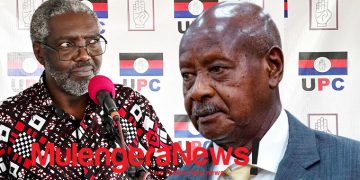
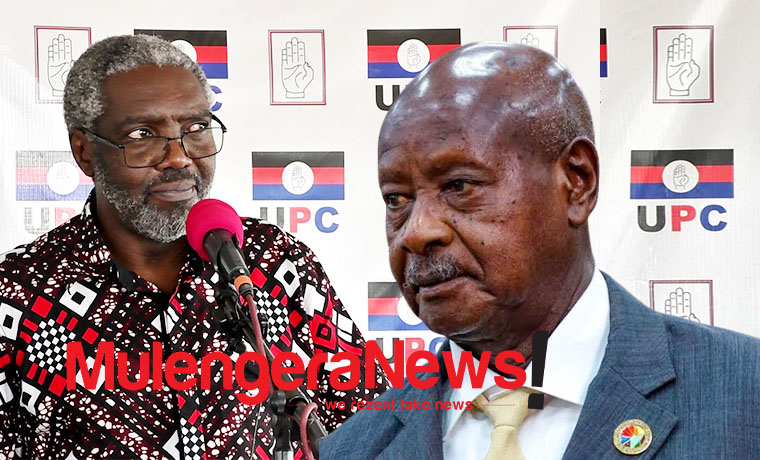
Uganda’s habit of borrowing has become a numbers game, but UPC President Jimmy Akena wants to know what ordinary people are actually getting from the billions borrowed in their name.
According to Akena, the country cannot continue measuring the success of borrowing through economic growth figures while schools, hospitals, roads and other essential public services remain struggling for adequate funding.
“The most important issue is the people. If the people do not benefit from that borrowing, the money has not helped, the money has not worked for the people of Uganda,” he said during a press conference at UPC headquarters on Wednesday. Full Akena video is hereunder: https://www.youtube.com/watch?v=3HArMbVy1NQ&t=174s.
For Akena, the question should not simply be how much Uganda can borrow, but where the money goes, what it produces and whether citizens ultimately benefit.
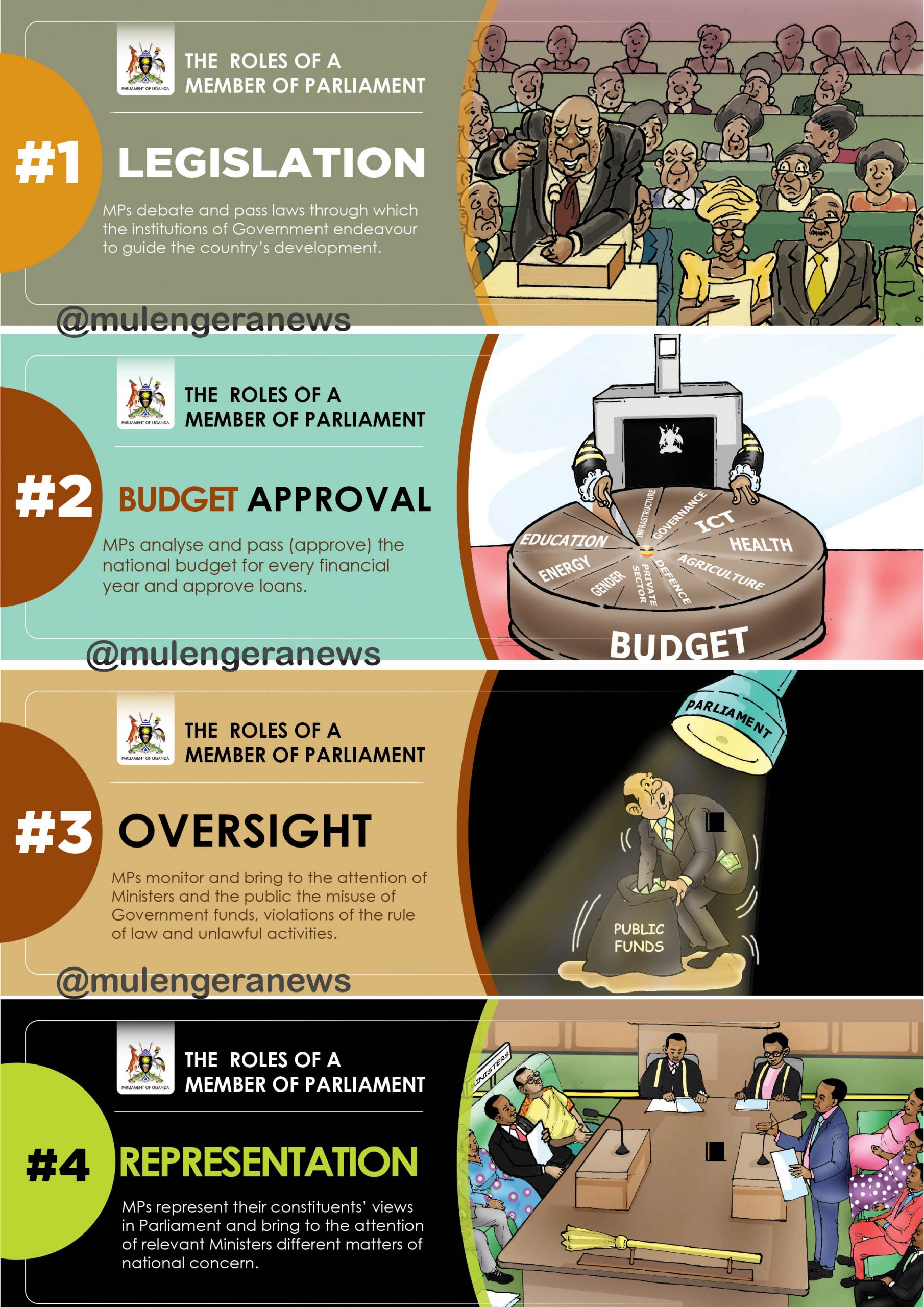
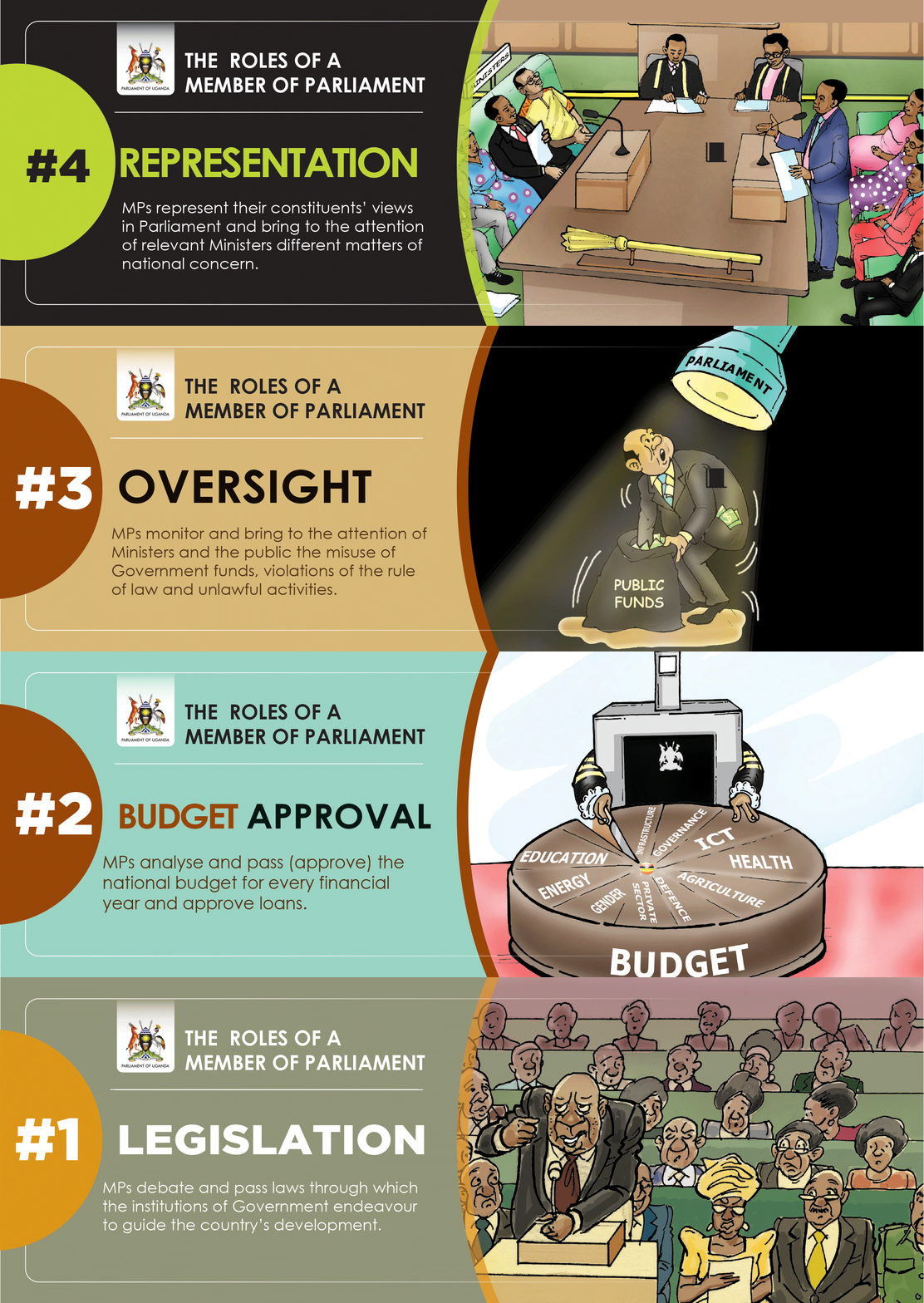
He said his experience in Parliament, Akena said, showed him how quickly MPs can be pushed to approve loan requests, sometimes without sufficient time to scrutinize their intended use.
“When a loan comes, you’re pressed. Two days you must have a report. But to do the actual work is a problem,” he said.
The embattled UPC boss argued that borrowing becomes problematic when resources are channelled into sectors that do not generate sufficient returns while productive areas such as agriculture, healthcare and education remain underfunded.
“If you don’t invest in a productive sector, what is going to come out of it?” he asked.
He said the country should therefore judge its borrowing not merely by how much money has been secured or how fast the economy has grown, but by whether the money has improved the lives of Ugandans.
Akena pointed to the Masindi-Kitgum road as one of the projects that, in his view, raises answerless questions about public expenditure.
He said the road was included in the 1987 budget speech and funds were indicated for its development, yet nearly forty years later it remains incomplete.
“Up to today, 2026, the road is not complete,” Akena said, further recalling that the road has been commissioned several times, including an occasion when he participated alongside the late Speaker Jacob Oulanyah.
Yet despite the repeated commissioning ceremonies and deployment of machinery, Akena said the road remains unfinished.
“Where did the funds go?” he asked.
The question formed part of a wider attack on what Akena described as Uganda’s misplaced priorities, particularly when public resources are concerned.
He contrasted the attention often given to petty theft with the scrutiny surrounding large sums of public money.
“When somebody is attacked by a mob for stealing a Kabiriti phone, and somebody has stolen billions, where would my interest be?” he asked.
Akena also drew attention to the contrast between poorly funded public institutions and Kampala’s growing private real-estate developments, saying it was possible to drive through Kampala and see apartments standing empty while schools and hospitals continue struggling with basic requirements.
“You move around Kampala, you find apartments which are empty. So that cement where it ended up, the priorities are different,” he said.
The UPC leader said the same problem affects the health sector, where some facilities operate with staffing levels he put as low as 17, 30 or 33%.
He further questioned how such hospitals could be expected to provide comprehensive services to the people, when the workers required to deliver them are simply not there.
Education, he said, faces a similar problem, with teachers expected to prepare Uganda’s next generation while some schools lack adequate classrooms, accommodation and other basic facilities.
Akena consequently wants government to attach clear targets and measurable outcomes to every major borrowing programme. He argued that Uganda’s development debate must return to the question of whether public spending is actually improving people’s lives, further challenging political actors already looking towards the 2031 elections to engage in a debate based on policy and substance.
“If we want to have a political debate before 2031, I’m ready. So bring up the issues,” he said. (For comments on this story, get back to us on 0705579994 [WhatsApp line], 0779411734 & 041 4674611 or email us at mulengeranews@gmail.com).