





By Guest Writer
Insurance companies in Uganda could benefit from a wider market for health insurance following a commitment by the Minister of Justice and Constitutional Affairs, Norbert Mao, to engage relevant government ministries on accelerating the proposed National Health Insurance Scheme.
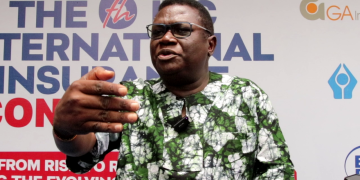
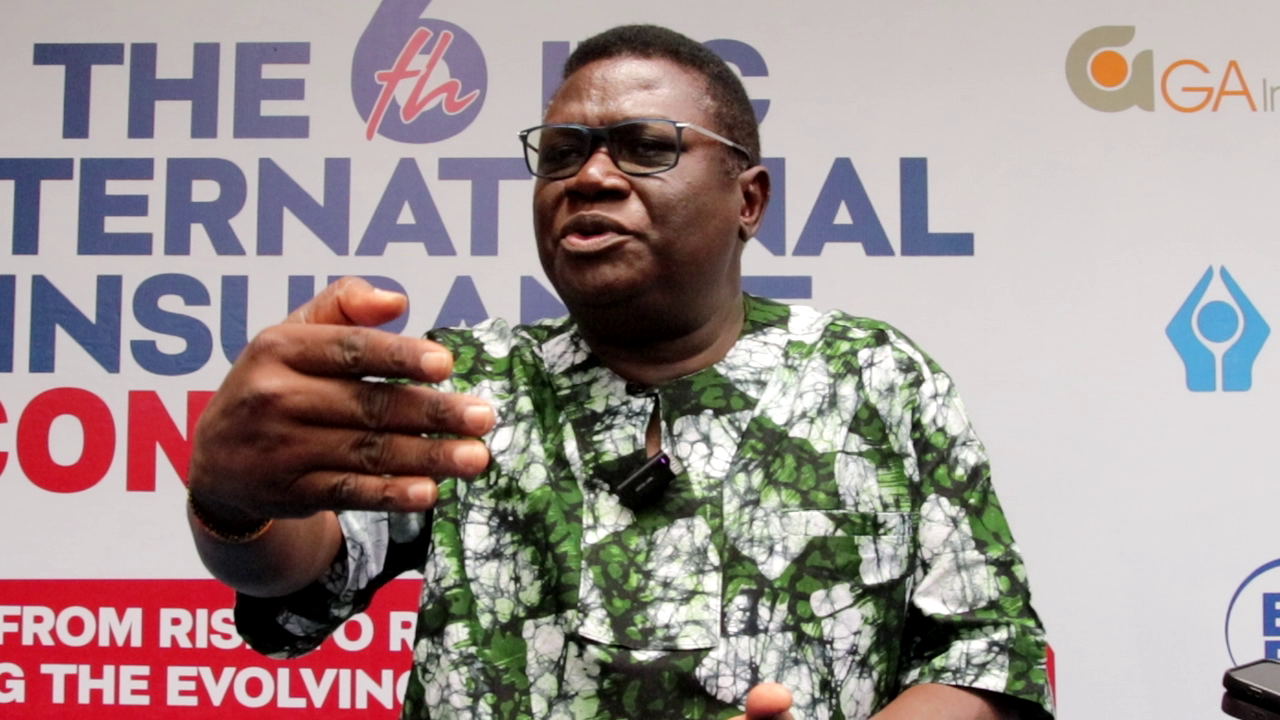
Mao made the commitment while addressing insurance industry players during the sixth International Annual Insurance Conference in Gulu, held under the theme “From Risk to Readiness: Navigating the Evolving …”
He said his ministry remained open to addressing concerns raised by insurers and would work with other government agencies to advance discussions on the government-backed health insurance initiative.
Mao explained that the Ministry of Justice and Constitutional Affairs had introduced a client charter providing a two-week window for stakeholders with pending matters to seek responses from the ministry. He said the opportunity remained open to insurers who wished to have their concerns addressed.
“Now that I have interacted with you, I will work with the relevant government ministries to ensure that this government-backed national health scheme is followed up, so that Ugandans can access quality healthcare,” Mao said.
Industry crosses Shs2 trillion mark, but coverage remains limited
The minister’s commitment comes at a time when Uganda’s insurance industry is recording significant financial growth, although insurance remains largely inaccessible to many households and small businesses.
According to the Insurance Regulatory Authority of Uganda (IRA), gross written premiums rose to Shs2.024 trillion in 2025, up from Shs1.764 trillion in 2024, representing annual growth of 14.72 per cent. The figures were released in June 2026.
Despite the growth, insurance penetration stood at approximately 0.87 per cent of gross domestic product in 2024, according to the regulator’s annual market report. This measure reflects the size of the insurance market relative to the economy; it does not mean that only 0.87 per cent of Ugandans have insurance.
The figures point to a persistent gap between the value of insurance business being written and the need to extend affordable protection to more individuals, farmers, transport operators and small enterprises.
Soul Seremba, the chief executive officer and principal of the Insurance Training College (ITC), which convened the conference, called for a robust government policy and appropriate legal framework to expand insurance services across the country.
Seremba said the industry’s growth in premiums had not translated into widespread uptake, citing limited public awareness, affordability challenges and the concentration of insurance business among corporate clients.
He urged government to support efforts to make insurance more accessible to ordinary Ugandans, particularly people operating small businesses and working in the informal sector.
He identified micro insurance as an area requiring greater attention, noting that products designed for boda-boda riders, small-scale farmers and other low-income earners could help bridge the coverage gap.
According to IRA data, micro insurance premiums increased by 131.42 per cent in 2024, rising from Shs707.6 million in 2023 to approximately Shs1.64 billion. However, micro insurance accounted for only about 0.09 per cent of total industry premiums that year, indicating considerable room for expansion.
Seremba also called on insurers to prepare for emerging risks associated with artificial intelligence, cybersecurity threats and climate change, which are changing the nature of risks faced by businesses and households.
Affordability and awareness remain key obstacles
A female insurance industry chief executive who addressed the conference also highlighted affordability and limited public awareness as major barriers to insurance uptake.
She called for approaches that would make insurance products more accessible and relevant to the needs and incomes of ordinary Ugandans.
She noted that for many households, the cost of premiums, limited understanding of policy benefits and uncertainty about claims processes can discourage the purchase of insurance.
IRA urges Ugandans to embrace insurance
Dr Protazio Sande, the acting chief executive officer of the Insurance Regulatory Authority of Uganda, urged Ugandans to embrace insurance as a means of protecting themselves against unexpected financial losses.
Sande said uncertainty affects people in their workplaces, businesses and agricultural fields, making insurance an important tool for managing risks.
He encouraged individuals and enterprises to consider insurance before disaster strikes, rather than waiting until losses have already occurred.
The sector’s financial performance provides evidence of its growing capacity. In 2025, insurers recorded more than Shs2 trillion in gross written premiums, while claims payments reached approximately Shs934.55 billion, according to IRA figures.
However, industry stakeholders say sustained growth will depend on translating this financial performance into wider access to protection.