





By Mulengera Reporters
More than 300 women entrepreneurs from Rubanda District are looking to turn newly acquired skills into better incomes and stronger businesses following the closure of an advanced skills enhancement training under the Generating Growth Opportunities and Productivity for Women Enterprises (GROW) Project.
The training climaxed on October 23, 2026, at the Uganda National Institute of Teacher Education (UNITE) in Kabale, with Finance Minister Henry Musasizi presiding over the closing ceremony and calling on Rubanda legislators and local leaders to unite in accelerating development across the district and the wider Kigezi sub-region.
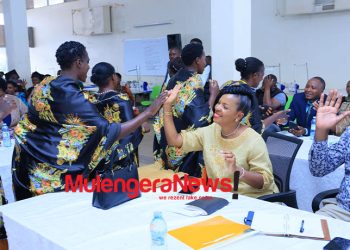
The women, who began the training on October 12, spent nearly two weeks strengthening their practical skills in agriculture, horticulture, beauty and cosmetology, with the aim of improving their businesses, increasing productivity and building sustainable sources of income.

The GROW Project is implemented by the Ministry of Gender, Labour and Social Development through the Private Sector Foundation Uganda (PSFU), with funding from the World Bank.

Musasizi Calls for Unity Among Rubanda Leaders
While the women celebrated the completion of their training, Musasizi used the occasion to challenge elected representatives and local government leaders to work together rather than pursue development in fragmented ways.
He argued that meaningful socio-economic transformation requires unity in advocating for better budget allocations, legislation and oversight of government programmes.

“We cannot push the socio-economic transformation agenda when we are working in a segmented way,” Musasizi told the gathering.
The minister emphasised that government programmes must be closely monitored to ensure they achieve their intended purpose, particularly initiatives designed to improve household incomes and support wealth creation.
He singled out the Parish Development Model (PDM) and other wealth creation funds, noting that parliamentarians and local leaders, including district chairpersons and other local council leaders, have a responsibility to ensure these programmes benefit communities.
“We need unity in advocating for better budgets for this place. We need unity in legislation. We need unity in oversight,” he said.
Musasizi expressed optimism about cooperation among political leaders and local authorities, saying joint efforts were essential to moving Rubanda District forward.
His message placed leadership collaboration alongside skills development as important elements in the broader effort to improve livelihoods in the region.
Women Showcase Skills Acquired Through GROW
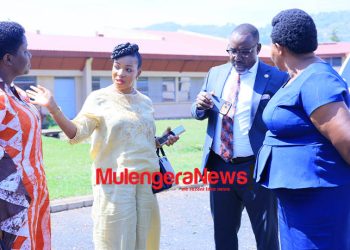
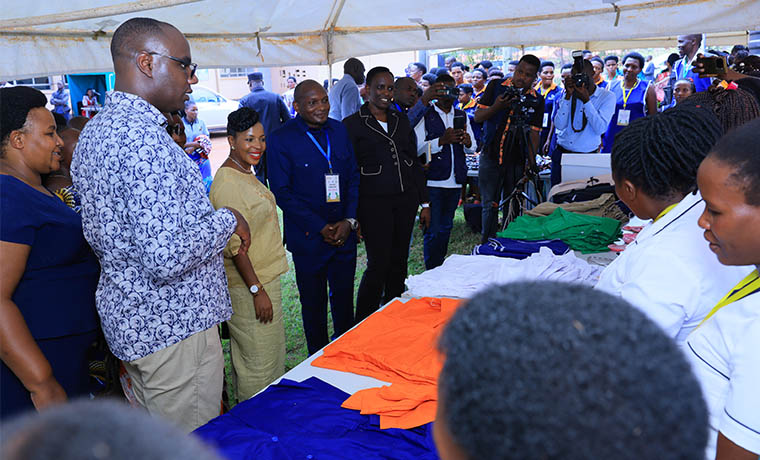
Before the ceremony, Musasizi arrived at UNITE Kabale at around 9 a.m. and was received by GROW Project Coordinator Dr. Ruth Aisha Kasolo Biyinzika, Rubanda West Member of Parliament Bruce Kabaasa and Rubanda District Woman Member of Parliament Everlyn Ninsiima Kikafunda.
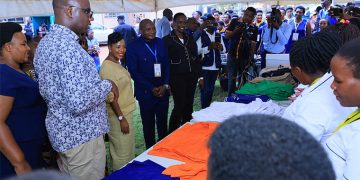
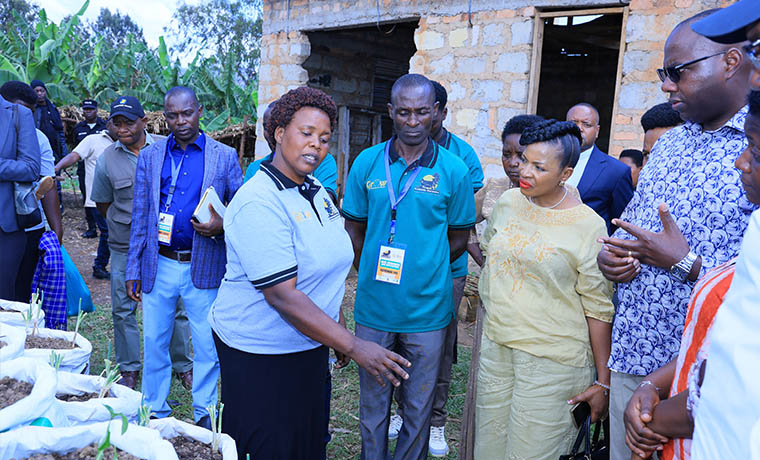
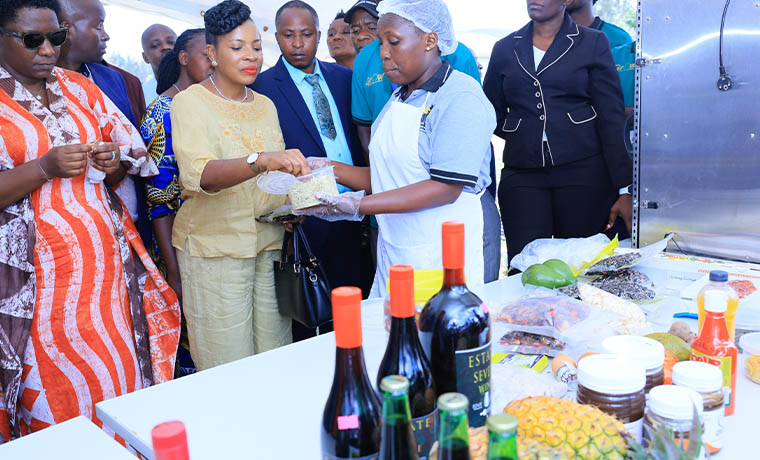
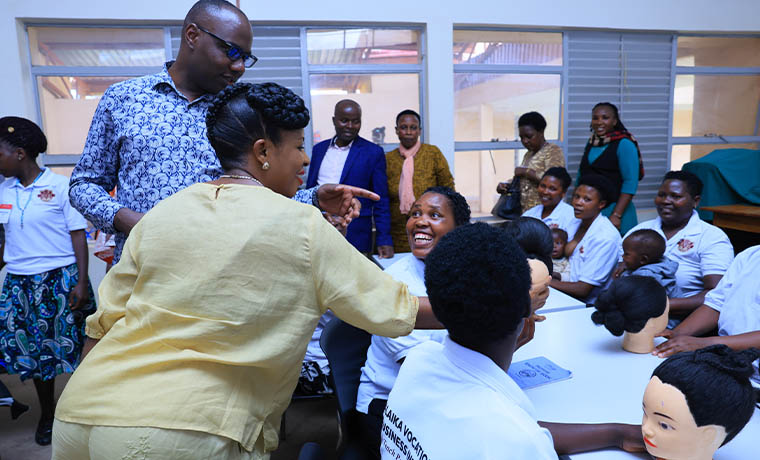
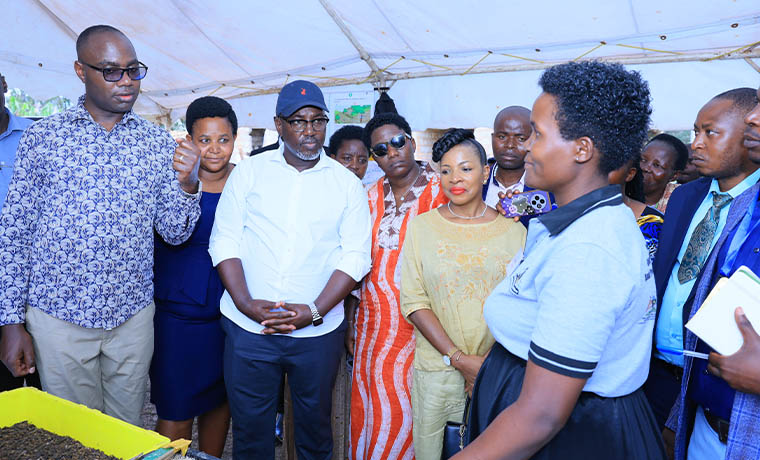
He later toured the training sections, where participants demonstrated the practical knowledge they had acquired during the programme.
In the agriculture and horticulture section, women showcased their ability to prepare nursery beds, produce manure, apply locally adapted irrigation methods and manage gardens using improved farming practices.
The demonstrations reflected the participants’ efforts to apply practical knowledge to their enterprises, particularly in agricultural activities that can support household incomes and local economic growth.
In the beauty and cosmetology section, participants welcomed the visiting guests with songs and drama, adding a celebratory atmosphere to the closing ceremony.
Women in agriculture and horticulture also welcomed Musasizi with songs in Rukiga, expressing appreciation for his service and their hopes for continued development in the Kigezi sub-region.
The demonstrations highlighted the central objective of the training: equipping women with practical abilities that can help them improve the quality of their work, strengthen their businesses and explore new income-generating opportunities.
From Practical Skills to Economic Independence
For the participating women, completing the training marks an important step, but the greater test will be how effectively they apply their new knowledge in their businesses and daily activities.
In agriculture, improved nursery preparation, manure production, irrigation and garden management can help entrepreneurs strengthen their farming practices. In beauty and cosmetology, enhanced technical skills can support better service delivery and business competitiveness.
However, running a successful enterprise requires more than technical expertise. Women also need the ability to manage finances, identify markets, access appropriate financial services and make informed decisions about expanding their businesses.
Through the GROW Project, the training seeks to strengthen women’s enterprise capabilities and support their participation in economic activities.
The programme is intended to help women-owned businesses become more productive and sustainable, creating opportunities for increased earnings and improved livelihoods.
For the more than 300 participants from Rubanda, the expectation is that the knowledge gained in Kabale will translate into practical changes in their businesses and communities. (For comments on this story, get back to us on 0705579994 [WhatsApp line], 0779411734 & 041 4674611 or email us at mulengeranews@gmail.com).