





By Ben Musanje
Youths living with disabilities have demanded equal treatment, improved access to healthcare and tax waivers on essential items, warning that high costs and societal discrimination continue to undermine their dignity and independence.
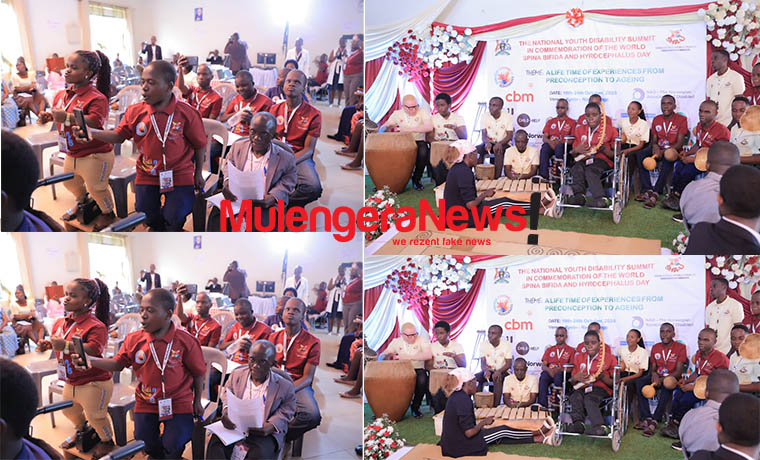
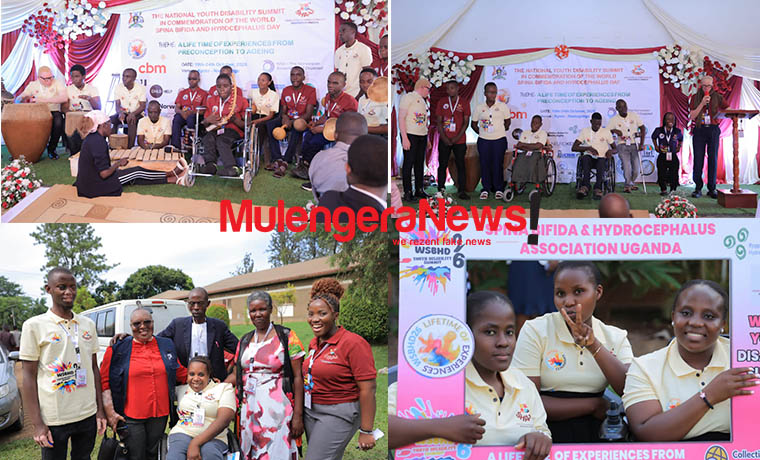
The call was made at the conclusion of the first-ever National Youth Disability Summit organised by the Spina Bifida and Hydrocephalus Association Uganda (SHAU) at Namugongo Kyoto Retreat Centre in Kira Division, Wakiso District.
The five-day summit brought together more than 90 participants, including youths with different disabilities and students from higher institutions of learning, to share experiences and discuss challenges affecting persons with disabilities at different stages of life.

Addressing journalists, SHAU Project Officer and summit chairperson Winnfred Nabikolo said negative societal attitudes and limited recognition of the abilities of persons with disabilities continue to deny many access to education, healthcare and employment opportunities.

Nabikolo called on the government to waive taxes on essential items such as wheelchairs, walking sticks, sunscreen and other specialised products to make them affordable to people who depend on them for their daily lives.
She also urged young people with disabilities to believe in themselves, embrace their abilities and recognise their potential to contribute to the country’s social and economic development.
According to Nabikolo, the summit attracted participants representing different disability categories, including persons with spina bifida, short stature, cerebral palsy, autism, Down syndrome, albinism and vitiligo.

She explained that the summit was inspired by the challenges faced by people with spina bifida in hospitals, which reflect broader difficulties experienced by other disability groups.
Nabikolo said access to appropriate medical care remains a major concern, with some healthcare workers lacking sufficient knowledge and skills to manage the needs of persons with disabilities.
She called for regular refresher training and on-the-job capacity building for health workers to improve the quality of care offered to these groups.
People living with spina bifida require continuous medical monitoring and regular hospital visits, including access to ultrasound scans. Nabikolo urged the government to consider expanding access to such services, including at lower-level health facilities, to reduce the burden on patients who must travel long distances to obtain specialised care.
She, however, commended the government for providing opportunities for disability representatives to participate in technical committees across ministries and other institutions, saying more attention should now be directed towards meeting their practical needs.
Meanwhile, youths who attended the summit praised SHAU for creating a platform that enabled them to learn about their rights, share experiences and understand challenges affecting people with different disabilities.
Paul Ssemogerere Birungi, SHAU’s Leader of Entertainment and a person living with albinism, said the summit provided valuable lessons on self-advocacy, personal hygiene, sexual and reproductive health, self-care and strategies for confronting discrimination within communities.
Birungi recounted the stigma he experienced while growing up and the difficulties people with albinism face in accessing specialised eye-care services, which are available at only a limited number of facilities.
He raised concern over the high cost of sunscreen, which is essential for protecting people with albinism against skin damage and cancer.
According to Birungi, a bottle of sunscreen can cost about 65,000 shillings, making it unaffordable for many people, particularly those living in rural communities.
He called on the government to waive taxes on sunscreen, include it among essential medical supplies and establish more specialised and mobile skin-care clinics to bring services closer to people in underserved areas.
Birungi said improving access to sunscreen and regular skin examinations could help address preventable health complications among people with albinism.
Another participant, George Wangoli, who lives with spina bifida and hydrocephalus and advocates for people with the conditions in Mbale, expressed gratitude for the opportunity to participate in the summit.
Wangoli said he hoped the discussions would translate into practical action by leaders and that participants would share the knowledge gained with others in their communities.
He also highlighted the physical barriers persons with disabilities encounter when accessing public and residential buildings, particularly multi-storey structures without adequate accessibility facilities.
The participants called for stronger enforcement of inclusive infrastructure standards, improved healthcare services and affordable essential products to enable young people with disabilities to participate fully in society.
The summit concluded with a call for government agencies, healthcare providers and communities to move beyond discussions and take practical steps towards eliminating discrimination and improving the welfare of persons with disabilities. (For comments on this story, get back to us on 0705579994 [WhatsApp line], 0779411734 & 041 4674611 or email us at mulengeranews@gmail.com).