







By Aggrey Baba
More than 30,000 women have benefited from digital skills training supported by the Uganda Communications Commission (UCC) between 2020 and 2026, Executive Director Nyombi Thembo has revealed, as the regulator pushes for wider access to technology-driven employment and enterprise opportunities.
He said that UCC had also reached more than 11,000 participants through rural community digital skilling programmes, trained over 6,000 young people in ICT and media skills, and supported digital training for more than 5,000 micro, small and medium enterprises across different districts of Uganda.
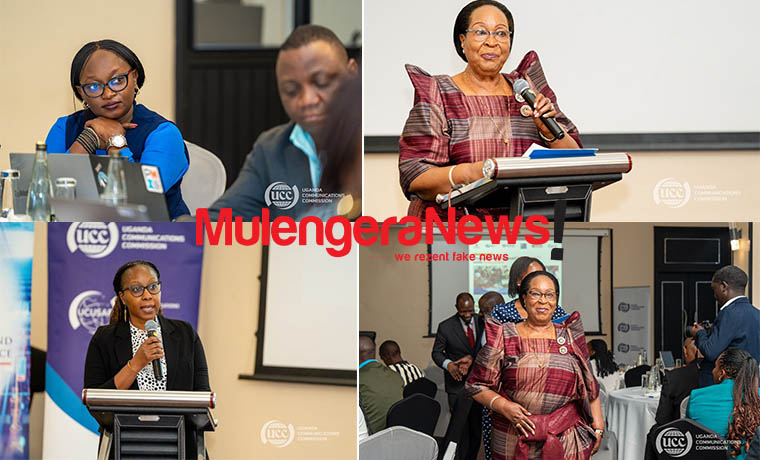
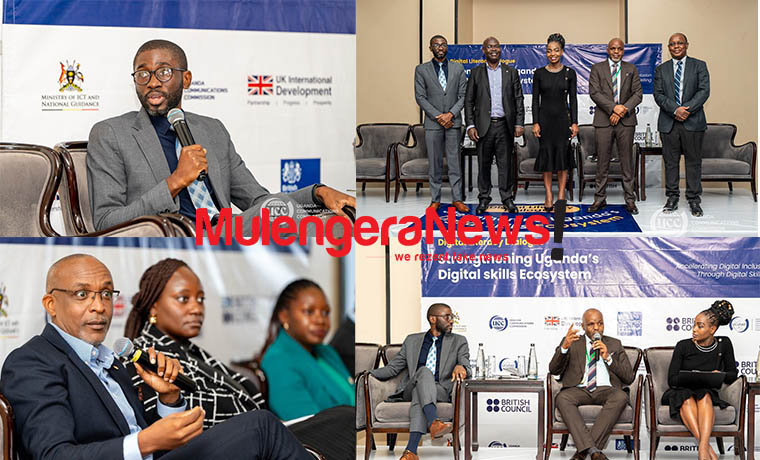
Mr Thembo disclosed the figures during a stakeholder dialogue on strengthening Uganda’s digital skills ecosystem at Mestil Hotel on Thursday, where UCC called for stronger partnerships to expand digital inclusion and make training more relevant to the needs of communities and the labour market.
The meeting brought together government representatives, licensed telecom companies, civil society organizations, academia, development partners and international participants.
It was organized by UCC through the Uganda Communications Universal Service and Access Fund (UCUSAF), in partnership with the British Council, which was represented by its Country Director Millicent Mugabi, with support from the British High Commission and UK International Development.
Mr Thembo said the commission had spent years supporting interventions designed to extend digital opportunities to people who might otherwise be left behind as technology becomes increasingly central to education, commerce and public services.
“Between 2020 and 2026, UCUSAF programme reports indicated that more than 30,000 women have benefited from digital skills training, while over 11,000 participants have been reached through rural community digital skilling programmes,” he said.
He added that UCC had supported ICT and media skilling for more than 6,000 young people, as well as digital transformation initiatives targeting farmers, older persons and persons with disabilities.
In the enterprise sector, more than 5,000 micro, small and medium enterprises had benefited from digital skills training, while the commission had also supported ICT skilling for teachers and the establishment of ICT laboratories in schools.
Nyombi Thembo said the programmes were intended to help people use technology for practical purposes rather than merely acquire access to digital devices and internet services.
However, he acknowledged that the scale of Uganda’s digital skills needs meant the commission could not deliver the desired transformation alone.
He called on government agencies, educational institutions, private companies, employers, development partners and community organizations to pool their expertise and resources instead of duplicating interventions.
“We appreciate all these efforts. At the same time, we believe there is an opportunity to connect our work more effectively,” he said.
He explained that partnerships could enable organizations with training facilities to work with those that already had strong relationships with underserved communities, while technology companies could provide tools and expertise and employers could identify the skills needed in the workplace.
The UCC boss said the commission was willing to explore partnerships consistent with its mandate and strategic objectives, particularly those that would expand access to underserved communities, improve the quality of digital training and create opportunities for beneficiaries to apply what they learn.
The dialogue was convened in partnership with the British Council, which Mr Thembo credited for bringing together different institutions to exchange experiences and explore areas of cooperation.
He said Uganda stood to benefit from lessons drawn from the United Kingdom’s experience in promoting digital participation, including initiatives designed to reach people with different levels of digital competence.
The participation of representatives of the Communications Authority of Kenya also offered an opportunity for regional exchange on approaches to digital inclusion and skills development.
Thembo said the discussions should go beyond sharing experiences and produce practical partnerships capable of extending digital opportunities to more Ugandans.
The engagement also comes as the regulator marks 25 years of efforts to extend communication services and digital opportunities to underserved communities.
Thembo said UCC’s work had evolved from a strong emphasis on expanding telecommunications infrastructure to recognizing that access alone was insufficient without the skills to use technology effectively.
The commission now wants digital skilling initiatives to deliver more visible benefits in education, employment, business growth and access to services, with young people, women and vulnerable communities among those expected to benefit from stronger coordination. (For comments on this story, get back to us on 0705579994 [WhatsApp line], 0779411734 & 041 4674611 or email us at mulengeranews@gmail.com).


site-verification-ok