








By Mulengera Reporters
As schools across Uganda reopen for the second term, many administrators are confronting a familiar but increasingly difficult challenge: finding enough money to keep institutions running before school fees have been fully collected.
From paying teachers and support staff to purchasing food supplies, maintaining facilities, meeting utility bills, and complying with regulatory requirements, the beginning of every academic term places enormous pressure on school finances. For many institutions, particularly private schools that depend heavily on tuition revenue, the period between reopening and fee collection has become one of the most financially demanding phases of the academic calendar.
The challenge comes at a time when schools are facing rising operational costs, increasing infrastructure demands, and growing pressure to improve academic performance, all while many parents struggle to meet education expenses amid competing household priorities.

School operators say delayed fee payments remain one of the biggest obstacles to smooth operations. While schools are required to resume services immediately at the start of term, a significant number of parents often pay fees in installments, leaving institutions to bridge funding gaps using limited reserves or external financing.

Public and government-aided schools face their own difficulties, including delays in the disbursement of capitation grants, which can affect the timely delivery of services and implementation of planned activities.
At the same time, schools continue to face rising prices for food, fuel, utilities, and scholastic materials. Compliance requirements have also expanded over the years, requiring institutions to invest more resources in administration, safety measures, and operational standards.
Teacher retention remains another pressing concern, especially in rural areas where schools often struggle to attract and retain qualified educators. Many teachers continue to migrate to urban centres or seek alternative employment opportunities offering better remuneration and working conditions.

Infrastructure deficits have further compounded the situation. Across the country, many schools are seeking funds to construct additional classrooms, dormitories, libraries, science laboratories, sanitation facilities, and information technology infrastructure to accommodate growing enrolment and improve the quality of learning.
For parents and guardians, the burden is equally significant. Beyond tuition fees, families must contend with expenses related to uniforms, books, transport, meals, and other household obligations. These competing demands often affect the timing and consistency of school fee payments, creating a ripple effect that ultimately impacts institutional cash flows.
Against this backdrop, access to affordable and timely financing has become increasingly important for sustaining education delivery and ensuring that learning continues uninterrupted.
It is within this environment that Equity Bank Uganda has positioned itself as a key financing partner for schools through a range of products specifically designed to address the unique operational realities of the education sector.
Among the bank’s flagship offerings is the School Bridge Financing facility, which provides unsecured loans of up to UGX 500 million to help schools navigate temporary cash flow shortages, particularly at the start of academic terms when expenses are high and revenue collection is still underway.
The facility enables institutions to continue operating smoothly while waiting for fee collections or government funding to materialize. Schools can use the financing to cover staff salaries, purchase food supplies, acquire scholastic materials, undertake repairs and maintenance, improve security, and meet other critical operational requirements.
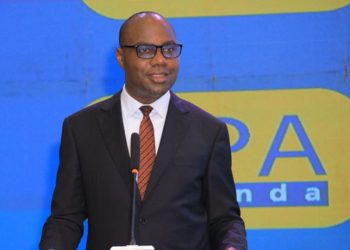
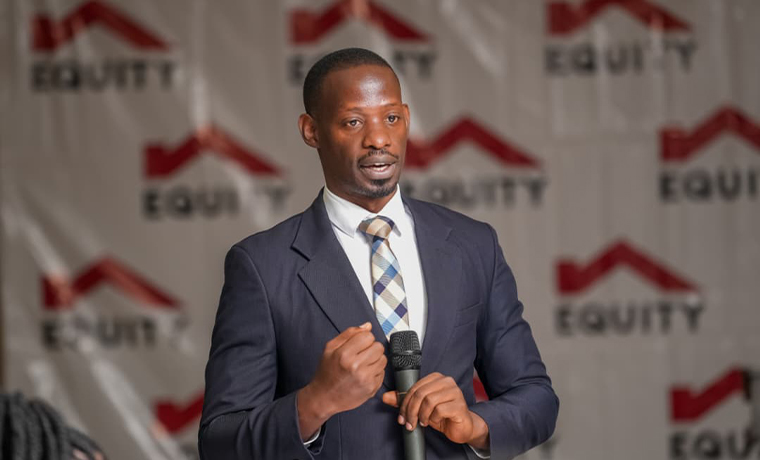
According to Brian Ddamba, Manager of Bridge Finance at Equity Bank Uganda, schools generally have predictable revenue streams but often struggle with timing mismatches between expenses and income.
He explained that while schools incur substantial costs at the beginning of every term, revenue from fees is often received gradually, creating temporary liquidity challenges that can affect service delivery if not properly managed.
The bank’s financing solutions are intended to bridge that gap, enabling school administrators to focus on delivering quality education rather than worrying about short-term financial pressures.
Beyond operational financing, Equity Bank Uganda has expanded its support to include long-term investments aimed at strengthening educational institutions.
Through its Asset Financing programme, schools can access funding of up to UGX 1.6 billion for the acquisition of school buses, backup generators, computers, ICT equipment, science laboratory facilities, and other assets necessary for modern education delivery.
The bank also provides School Improvement and Expansion Loans, allowing institutions to finance major infrastructure projects such as classroom blocks, dormitories, libraries, administration buildings, and other facilities required to accommodate increasing student populations.
These investments have become increasingly important as schools seek to improve learning environments and remain competitive within an evolving education sector.
The aftermath of the COVID-19 pandemic has also continued to influence financing needs across the sector. Many institutions experienced significant disruptions during prolonged school closures and have since been working to rebuild enrolment levels, stabilize finances, and recover lost ground.
To support this recovery process, Equity Bank Uganda has extended financing assistance to schools seeking to strengthen operations and restore long-term sustainability.
In addition to lending solutions, the bank has invested in digital platforms aimed at improving efficiency within school financial management systems.
Through mobile banking, agency banking, and digital payment channels, schools are able to collect fees more efficiently while improving accountability and reducing the administrative burden associated with manual payment processes.
The digital solutions allow parents to make payments conveniently while providing schools with real-time visibility over collections and financial records.
The bank also offers insurance products designed to protect educational institutions against unforeseen risks. These solutions cover school infrastructure, financed assets, and other operational exposures that could disrupt service delivery.
Recognizing that financing alone is not sufficient to guarantee institutional success, Equity Bank Uganda has complemented its financial products with capacity-building initiatives targeted at school proprietors and administrators.
Through its Public Sector and Social Investments (PSSI) programmes, the bank provides training in financial management, budgeting, record-keeping, governance, risk management, and cash flow forecasting.
These engagements are intended to strengthen institutional sustainability and equip education leaders with practical skills needed to manage resources effectively while planning for future growth.
Parents have also become a key focus of the bank’s education financing strategy.
Through School Fees Loans of up to UGX 5 million per child, families can access financing to meet tuition obligations without disrupting their children’s education.
The facility is designed to help learners report to school on time while allowing parents to repay the loans through flexible arrangements aligned with their financial circumstances.
By supporting parents directly, the programme also contributes to more predictable fee collections for schools, helping institutions manage operations more effectively and reduce the uncertainty associated with delayed payments.
Education sector stakeholders say such interventions are becoming increasingly important as schools navigate a complex operating environment characterized by rising costs, changing expectations, and growing demands for quality education.
Access to financing not only addresses immediate operational needs but also creates opportunities for long-term investment in infrastructure, technology, safety improvements, and learning resources that ultimately benefit students.
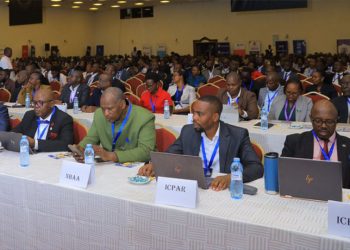
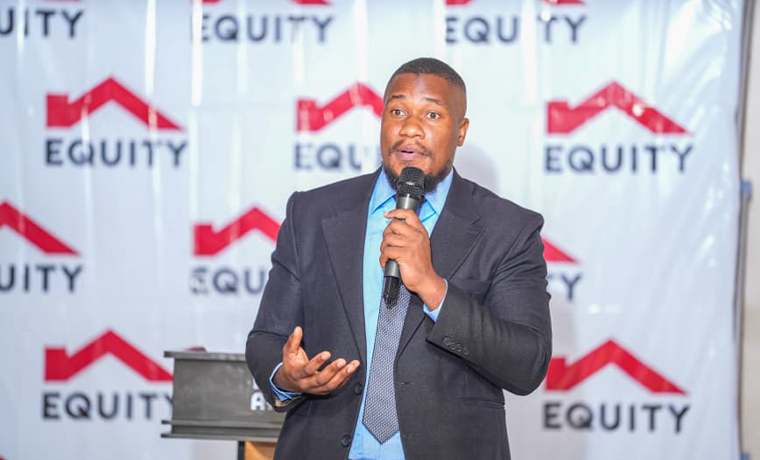
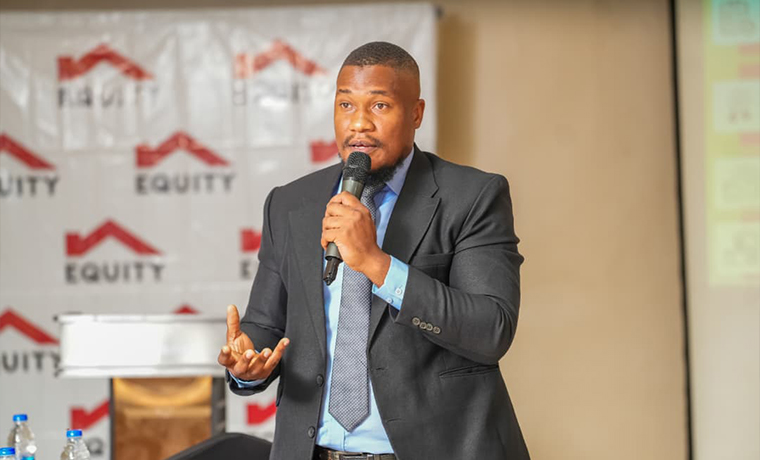
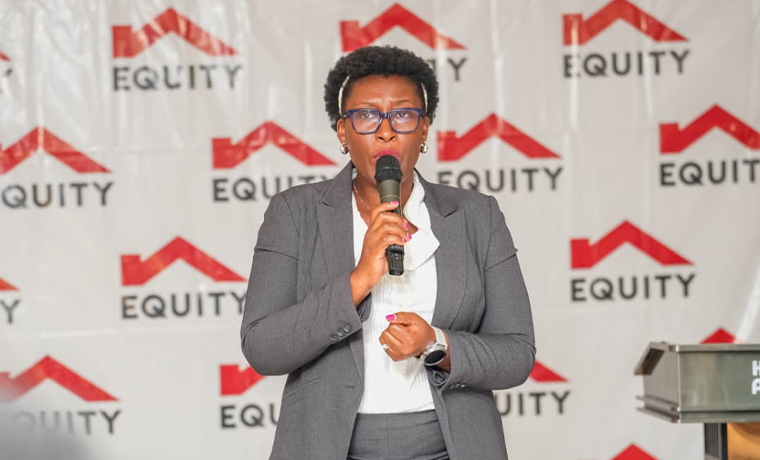
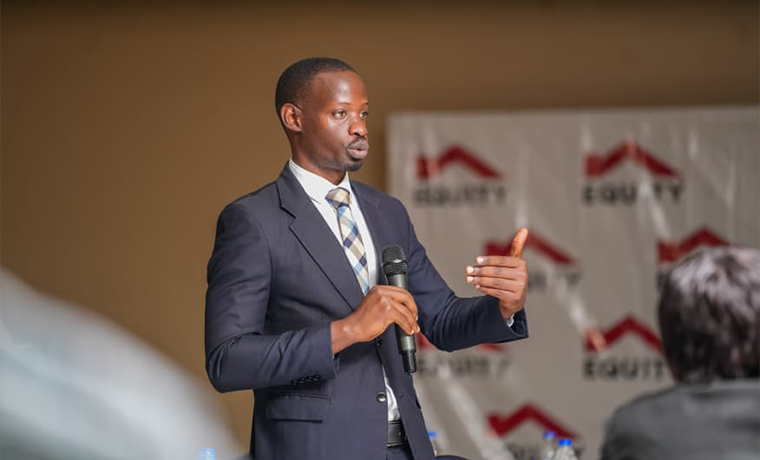
Equity Bank Uganda recently reinforced its commitment to the sector through a dedicated education engagement held on June 23 at Hotel Africana in Kampala.
The event brought together school proprietors, administrators, and education leaders to discuss financing opportunities, emerging challenges within the education sector, and strategies for achieving sustainable institutional growth.
Participants explored ways of strengthening financial resilience among schools while ensuring that learners continue to receive quality education despite economic pressures facing both institutions and households.
The discussions highlighted the growing recognition that education financing remains a critical component of Uganda’s broader human capital development agenda.
As the country continues to invest in education as a driver of social and economic transformation, stakeholders argue that schools must have access to reliable financial tools that enable them to withstand temporary shocks while pursuing long-term development goals.
For many institutions reopening their gates this term, the challenge remains balancing immediate operational needs with aspirations for growth and improved educational outcomes.
In an environment where delayed fees, rising costs, and infrastructure demands continue to place pressure on school budgets, financing solutions such as bridge loans, asset financing, and school fees support are increasingly being viewed as important mechanisms for sustaining learning and ensuring that no child is denied education because of short-term financial constraints.
As schools settle into the second term, the sector’s ability to remain resilient may depend not only on academic performance but also on access to the financial support needed to keep classrooms open, teachers motivated, and learning uninterrupted. (For comments on this story, get back to us on 0705579994 [WhatsApp line], 0779411734 & 041 4674611 or email us at mulengeranews@gmail.com).