






By Ben Musanje
Uganda’s legal fraternity has declared a nationwide industrial action set for Friday, June 26, in a dramatic protest against what it describes as the growing normalization of torture, arbitrary detention, and violations of fundamental rights within the country’s justice system.
The strike, led by the Uganda Law Society (ULS), coincides with World Anti-Torture Day and is expected to see lawyers across the country boycott court proceedings, close legal offices, and engage in public awareness campaigns aimed at drawing attention to what the society calls an alarming erosion of constitutional safeguards.
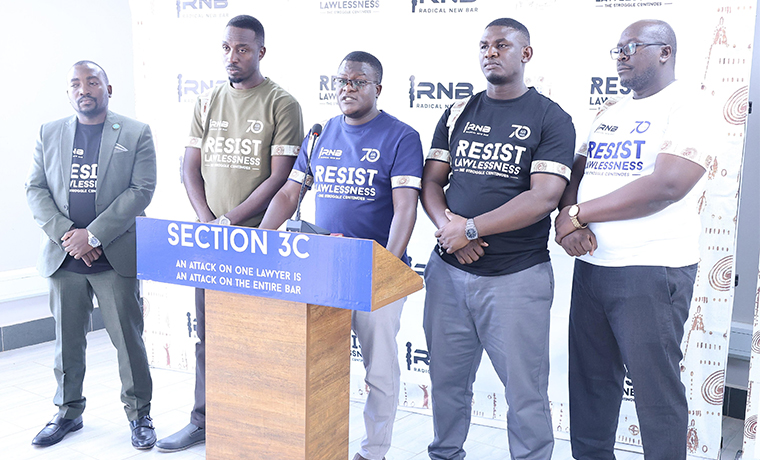
Addressing journalists and members of the legal profession on Thursday, ULS Honorary Secretary Ssali Babu said the action was being undertaken under the theme, “When torture enters the courtroom, justice leaves the republic.” He explained that the industrial action was not politically motivated but was intended as a constitutional intervention to defend the rule of law.

Babu said the society was concerned about what it viewed as increasing incidents of torture, arbitrary detention, intimidation of advocates, interference with the right to legal representation, and unlawful conduct in the administration of justice. He argued that justice could not be founded on torture and that legal practitioners should not face punishment for representing clients.

Under the directive issued by the ULS, advocates have been instructed to notify clients of the industrial action and close their chambers, law firms, and legal offices ahead of the strike. Lawyers are expected to abstain from court appearances and routine legal work throughout Friday.
However, the society clarified that emergency legal services involving imminent threats to life, liberty, and property would continue. Such matters include cases involving unlawful detention, torture, urgent child protection concerns, domestic violence, and critical human rights applications.
Babu described the strike as a symbolic day of mourning for victims of torture and abuse of power. Lawyers have been urged to wear black clothing, black ribbons, armbands, or campaign shirts as a sign of solidarity with victims and their families.

He said the action was intended to honor those who had suffered torture and those who had lost their lives as a result of human rights abuses.
In one of the most striking aspects of the planned action, the ULS called upon lawyers, law students, and supporters to spend part of the day at graveyards or burial sites of relatives and friends who died after suffering torture or abuse.
Babu explained that the unusual venue had been deliberately chosen because of its symbolic significance. He noted that many Ugandans had lost relatives, friends, and acquaintances as a result of torture and said the graveyard represented a powerful reminder of the consequences of human rights violations.
Participants have been encouraged to take photographs from villages and gravesites and share messages denouncing torture and human rights abuses. The ULS leadership said the exercise was intended to demonstrate courage and solidarity with victims while drawing public attention to the issue.
The society also urged lawyers to use the day to educate communities about constitutional rights, arbitrary detention, and the dangers posed by the weakening of legal safeguards.
Lawyers were instructed to challenge misinformation about the strike and speak out against proceedings they believe are tainted by torture. The legal body further proposed creating a public “wall of shame” to identify individuals and institutions perceived to have enabled torture or facilitated violations of justice.
The strike comes amid growing concerns from sections of civil society and the legal profession regarding alleged human rights abuses and interference with the administration of justice.
Babu argued that Uganda’s anti-torture commitments were being undermined through actions that compromise legal representation, judicial fairness, and the protection of fundamental rights.
The ULS also called upon civil society organizations, religious leaders, medical professionals, students, traders, and ordinary citizens to participate in solidarity activities.
Supporters have been encouraged to wear black ribbons, issue public statements, host legal professionals for community discussions, and help raise awareness about torture and constitutional rights.
Medical practitioners were specifically asked to support ethical documentation of torture cases and contribute to public education efforts on human dignity and international anti-torture obligations.
Meanwhile, journalists and media organizations have been urged to provide accurate coverage of the strike and maintain focus on issues of torture, arbitrary detention, and access to legal representation.
Babu said the media played a critical role in exposing human rights violations and ensuring that the public remained informed about developments affecting justice and accountability. He also called on media houses to document any intimidation targeting lawyers, journalists, or citizens participating in the campaign.
The ULS further appealed to regional and international organizations, including legal associations and human rights bodies, to express concern about what it described as torture-influenced justice processes in Uganda.
According to the society, international partners should support judicial independence, fair trial guarantees, and freedom from torture while standing in solidarity with Uganda’s legal profession.
Despite the strong language used throughout the announcement, ULS leaders repeatedly stressed that the industrial action would remain peaceful, lawful, and non-confrontational.
Babu emphasized that the exercise was a strike rather than a demonstration or riot and said participants had been instructed to conduct themselves in a professional and disciplined manner.
The society warned participants against spreading misinformation, inflammatory content, or unverified claims, insisting that all communication should come through official ULS channels.
Following the strike, the ULS says it will publish a national participation report, document verified incidents arising from the action, engage Parliament and regional institutions, and pursue strategic litigation where necessary.
The legal body also pledged to continue public education campaigns on torture, arbitrary detention, and constitutional rights as part of its broader rule-of-law agenda.
As the country prepares for Friday’s action, the ULS maintains that its objective is not to disrupt justice but to defend it. Babu said the legal profession was acting to ensure that justice is not founded on torture and that constitutional protections remain meaningful for all citizens.
The nationwide action is expected to test both the influence of Uganda’s legal fraternity and the country’s commitment to upholding constitutional protections against torture and abuse of power. (For comments on this story, get back to us on 0705579994 [WhatsApp line], 0779411734 & 041 4674611 or email us at mulengeranews@gmail.com).