

![NO ONE HAS THE POWER TO FIRE HIM! Ex-Omuhikirwa [Who Fought M7 in 2016] Dares Tooro Clan Leaders Over Rwomiire Sacking, Says Only King Oyo Could Fire Him](https://mulengeranews.com/wp-content/uploads/2026/09/Steven-Kaliba-Ateenyi-75x75.jpg)







By Mulengera Reporters
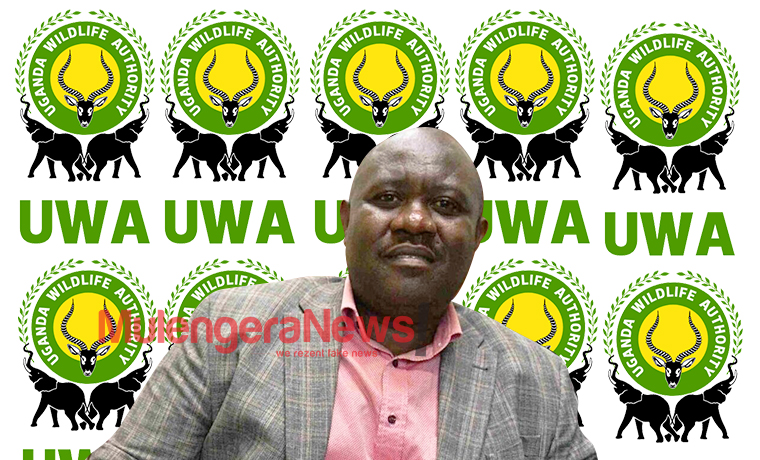
Bwindi Impenetrable National Park has once again delivered a moment of celebration in Uganda’s conservation story after the Mishaya Gorilla Family welcomed a newborn, a development that continues to draw attention to what some observers are describing as a remarkable “lucky streak” under Executive Director Dr. James Musinguzi.
The newborn, confirmed on the evening of June 9, 2026, belongs to Bashekura, an adult female in the Mishaya group, one of the well-known habituated gorilla families in the Rushaga sector of Bwindi.
The latest addition increases the family’s size from nine to ten individuals, adding fresh energy to one of the park’s most closely followed primate groups and further enriching Uganda’s globally celebrated mountain gorilla population.

The development has sparked renewed excitement within conservation circles, coming at a time when Dr Musinguzi, who was appointed Executive Director of the Uganda Wildlife Authority in February 2025 and assumed office in April 2025, continues to preside over a period marked by a steady flow of positive wildlife milestones.

Since he took over leadership, Bwindi in particular has repeatedly made headlines for encouraging conservation outcomes, with the latest birth being seen by some observers as another symbolic highlight in his early tenure.
UWA spokesperson Bashir Hangi said the continued births in Bwindi reflect a broader positive trend in Uganda’s mountain gorilla conservation journey, even as scientists await comprehensive data from the latest national census.
He noted that over the past five years, Bwindi alone has recorded about 110 gorilla births, describing the figure as a strong indicator of a population that is steadily recovering under sustained protection efforts.

Hangi added that conservationists are eagerly awaiting the latest mountain gorilla census results, which are expected to provide a clearer and more authoritative picture of population growth trends across Uganda’s protected areas.
He attributed the continued reproductive success of the species to long-term investments in anti-poaching operations, veterinary care, habitat protection, scientific monitoring, and community-based conservation initiatives around Bwindi Impenetrable National Park and Mgahinga Gorilla National Park.
The Mishaya Gorilla Family, named after its late silverback Mishaya, remains one of Bwindi’s most popular groups among tourists undertaking gorilla trekking experiences in the Rushaga sector. The family is known for its dynamic structure and engaging social interactions, making it a standout attraction within the park.
Bwindi Impenetrable National Park, a UNESCO World Heritage Site, is home to more than 20 habituated gorilla families and remains one of Uganda’s leading tourism and conservation destinations. Together with Mgahinga Gorilla National Park, it shelters more than half of the world’s remaining mountain gorillas, found only in Uganda, Rwanda, and the Democratic Republic of Congo.
Conservation experts point out that each gorilla birth is especially significant given the species’ slow reproductive cycle, with females typically giving birth only once every four to six years.
Gorilla tourism continues to play a vital role in Uganda’s economy, generating revenue that supports conservation programmes and surrounding communities.
For now, the latest birth in Bwindi adds yet another highlight to what is increasingly being viewed as a fortunate phase for Uganda’s conservation leadership under Dr Musinguzi — a period marked by steady gains that continue to keep the country in the global spotlight for gorilla protection.
![NO ONE HAS THE POWER TO FIRE HIM! Ex-Omuhikirwa [Who Fought M7 in 2016] Dares Tooro Clan Leaders Over Rwomiire Sacking, Says Only King Oyo Could Fire Him](https://mulengeranews.com/wp-content/uploads/2026/09/Steven-Kaliba-Ateenyi-350x250.jpg)