

![NO ONE HAS THE POWER TO FIRE HIM! Ex-Omuhikirwa [Who Fought M7 in 2016] Dares Tooro Clan Leaders Over Rwomiire Sacking, Says Only King Oyo Could Fire Him](https://mulengeranews.com/wp-content/uploads/2026/09/Steven-Kaliba-Ateenyi-75x75.jpg)





By Ben Musanje
The rejection of Dr. Lawrence Muganga’s nomination as State Minister for Internal Affairs by Parliament’s Appointments Committee may have temporarily halted his path to cabinet, but legal and political developments suggest the door remains open for a possible return.
Dr. Muganga’s nomination was among the ministerial appointments submitted by President Yoweri Museveni for parliamentary approval. However, unlike 80 other nominees who sailed through the vetting process, Muganga’s appointment was returned to the appointing authority following concerns regarding his citizenship status.


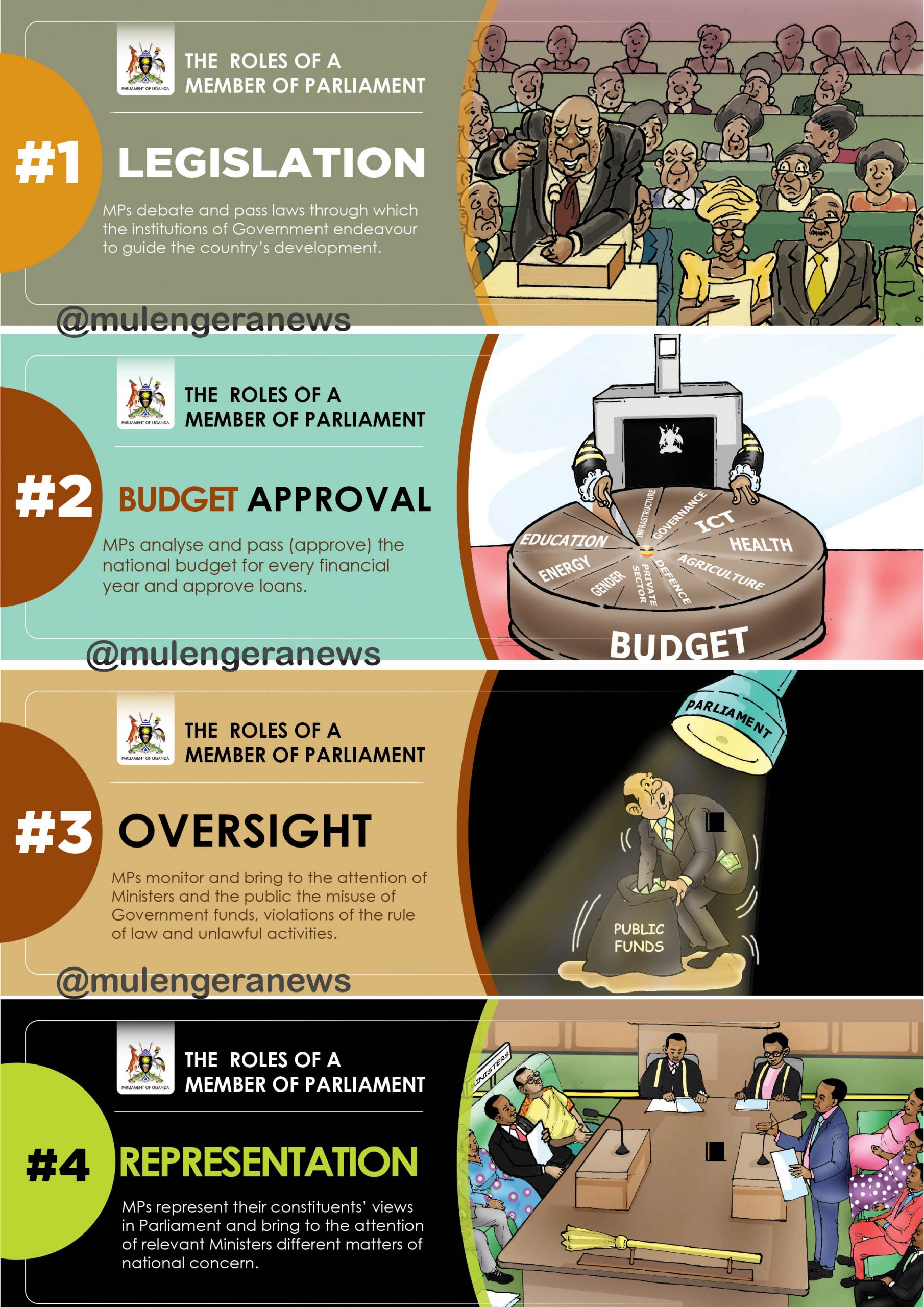
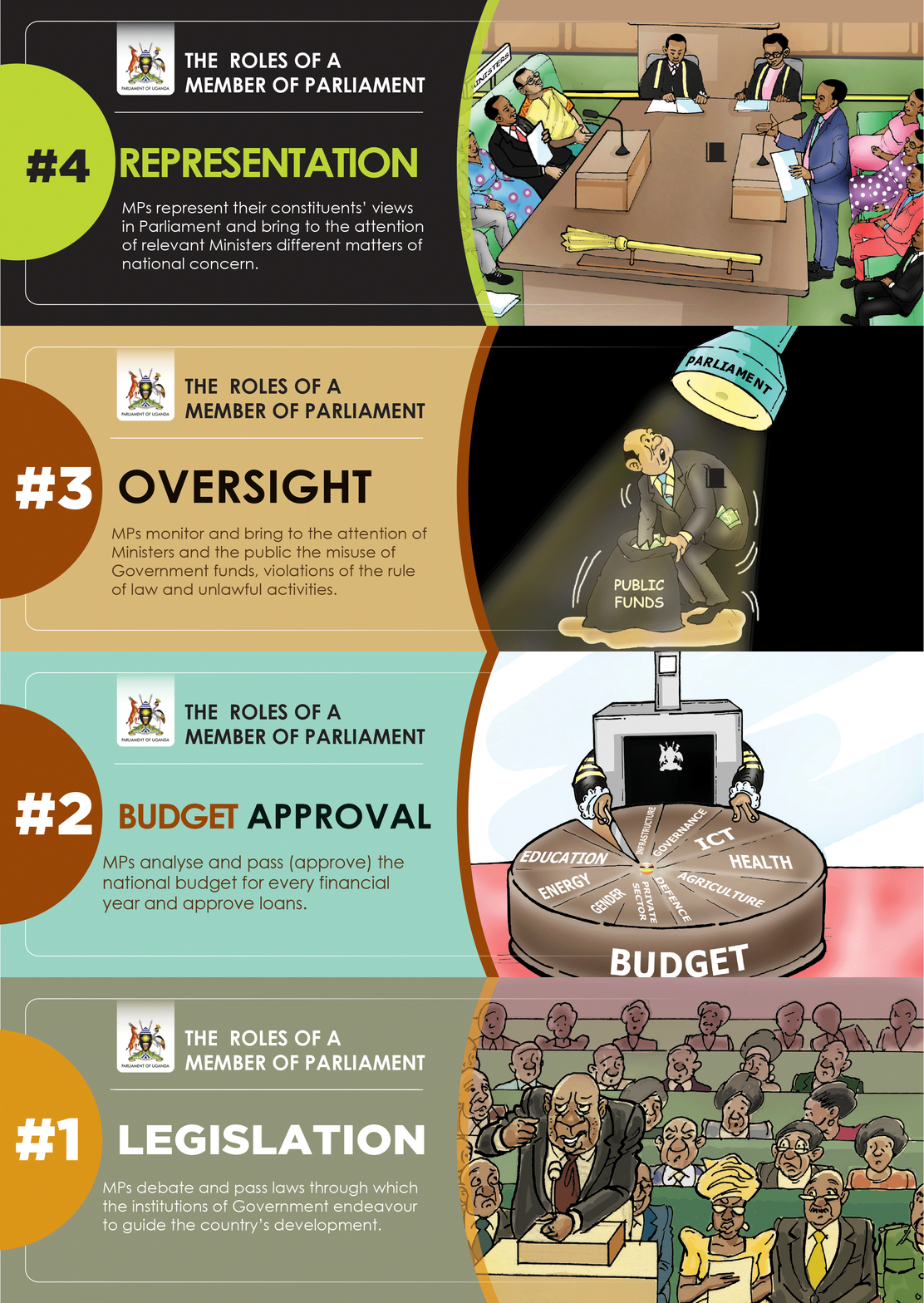
Under Article 113(2) of Uganda’s Constitution, ministerial appointments require the approval of Parliament before nominees can assume office. The constitutional provision gives Parliament a crucial oversight role in ensuring that individuals appointed to the Executive meet all legal requirements.
During the vetting process, members of the Appointments Committee raised questions regarding reports that Muganga held Ugandan, Canadian, and Rwandan citizenships. While the educationist reportedly indicated that he was prepared to renounce his Canadian citizenship and maintained that he had previously relinquished his Rwandan citizenship, committee members argued that sufficient documentary evidence had not been presented to conclusively establish compliance with Uganda’s legal requirements for ministerial office.

As a result, the committee declined to approve his nomination.
Presenting the committee’s report to Parliament, Deputy Speaker Thomas Tayebwa stated that out of 82 ministerial nominees considered, 80 had been approved, one remained pending, while Muganga’s nomination had been returned to the appointing authority due to unresolved issues requiring further action.
The decision leaves the State Minister for Internal Affairs position vacant pending a fresh nomination and approval process.
Legally, the rejection effectively ends Muganga’s current nomination. He cannot be sworn in or perform ministerial duties unless Parliament subsequently approves his appointment. However, constitutional experts note that the rejection does not permanently disqualify him from serving in government.
Should Muganga resolve the citizenship concerns and provide the necessary documentation demonstrating compliance with constitutional and statutory requirements, President Museveni remains free to nominate him again for parliamentary consideration.
For that reason, political observers argue that the setback may represent a delay rather than the end of Muganga’s ministerial ambitions.
PLU Official Rejects Tribal Narrative
The debate surrounding Muganga’s rejection intensified after comments by Daudi Kabanda, Secretary General of the Patriotism League of Uganda (PLU), a political pressure group associated with the Chief of Defense Forces (CDF) General Muhoozi Kainerugaba.
Kabanda dismissed claims circulating on social media that Muganga had been rejected because he is a Munyarwanda.
According to Kabanda, several leaders of Banyarwanda heritage have successfully passed parliamentary vetting and currently serve in government.
He pointed to State Minister Aisha Ssekindi and State Minister Diana Mutasingwa as examples of leaders from the Banyarwanda community who were approved because they met the citizenship requirements under Ugandan law.
Kabanda further claimed that investigations conducted by the committee established that Muganga possessed three passports — Ugandan, Canadian, and Rwandan — despite allegedly denying possession of a Rwandan passport during vetting.
“Muganga was not rejected because he is a Munyarwanda,” Kabanda argued. “The claim is totally false, misleading and dangerous.”
Muganga Fires Back
In a strongly worded response posted on X, Dr. Muganga fiercely rejected the allegations and accused Deputy Speaker Thomas Tayebwa of orchestrating a predetermined effort to block his appointment.
Addressing Kabanda directly, Muganga insisted that he does not hold a Rwandan passport and described the allegations as a deliberate falsehood.
“With due respect, I must set the record straight. I do NOT hold a Rwandan passport. This is a deliberate falsehood introduced by Hon. Thomas Tayebwa, and the truth must be told,” Muganga wrote.
The former university vice-chancellor went further, alleging that Tayebwa had privately indicated before the vetting that someone had to be failed during the approval process and that he had been selected for that role.
According to Muganga, the committee’s decision was predetermined and had nothing to do with citizenship, qualifications or integrity.
“We have it on record — Thomas Tayebwa’s own words: ‘In every vetting session we have to fail someone, and this time it had to be you, Dr. Muganga,'” he claimed.
Muganga further alleged that an audio recording exists to support his claims and vowed that it would be released publicly.
“This rejection was decided before the process even began. It was never about passports, qualifications, or integrity. It was personal. It was calculated. It was discriminatory,” he said.
Claims of Discrimination
Perhaps the most explosive aspect of Muganga’s response was his accusation that he faced discrimination because of his ethnic background.
The academic and businessman claimed that members of the committee, particularly Tayebwa, displayed hostility toward him because he is a Munyarwanda.
“What I experienced in that committee was not parliamentary oversight. It was hatred. It was discrimination. It was racism directed at me simply because I am a Munyarwanda,” he said.
Muganga argued that Banyarwanda are Ugandan citizens entitled to equal treatment under the law and should not be subjected to selective application of legal requirements.
He emphasized his longstanding contribution to Uganda through education, leadership and institutional development, noting that he had worked across dozens of countries without encountering the kind of hostility he allegedly faced during the parliamentary vetting process.
“We Banyarwanda are Ugandans. We were born here. We pay taxes here. We build institutions here. We have given our lives to serve this nation,” Muganga stated.
He also challenged members of the Appointments Committee, including opposition legislators, to speak publicly about what transpired during the vetting process.
In one of the most pointed sections of his statement, Muganga questioned whether there were deeper reasons behind the opposition to his appointment.
“So I ask one simple question: What is Hon. Tayebwa so afraid of? What remains hidden that my presence at Internal Affairs would threaten to uncover?” he asked.
Political and Constitutional Implications
The controversy has quickly evolved beyond a simple ministerial rejection into a broader debate about citizenship, identity, parliamentary oversight and political power.
While Parliament maintains that it was exercising its constitutional mandate to scrutinize nominees and ensure compliance with legal requirements, Muganga’s allegations have introduced claims of bias and discrimination that could further inflame public discussion.
At the center of the matter remains a constitutional reality: Parliament’s approval is mandatory for ministerial appointments. The President may nominate ministers, but those nominations only become effective once Parliament gives its consent.
For now, Muganga’s ministerial bid has stalled. Yet because the rejection was based on issues that could potentially be resolved through documentation and legal clarification, his prospects for a future nomination remain alive.
Whether President Museveni chooses to renominate him after addressing the concerns raised by Parliament or opts for an entirely different candidate remains the key question. Until then, Dr. Muganga’s political future remains uncertain, but far from over. (For comments on this story, get back to us on 0705579994 [WhatsApp line], 0779411734 & 041 4674611 or email us at mulengeranews@gmail.com).