






By Ben Musanje
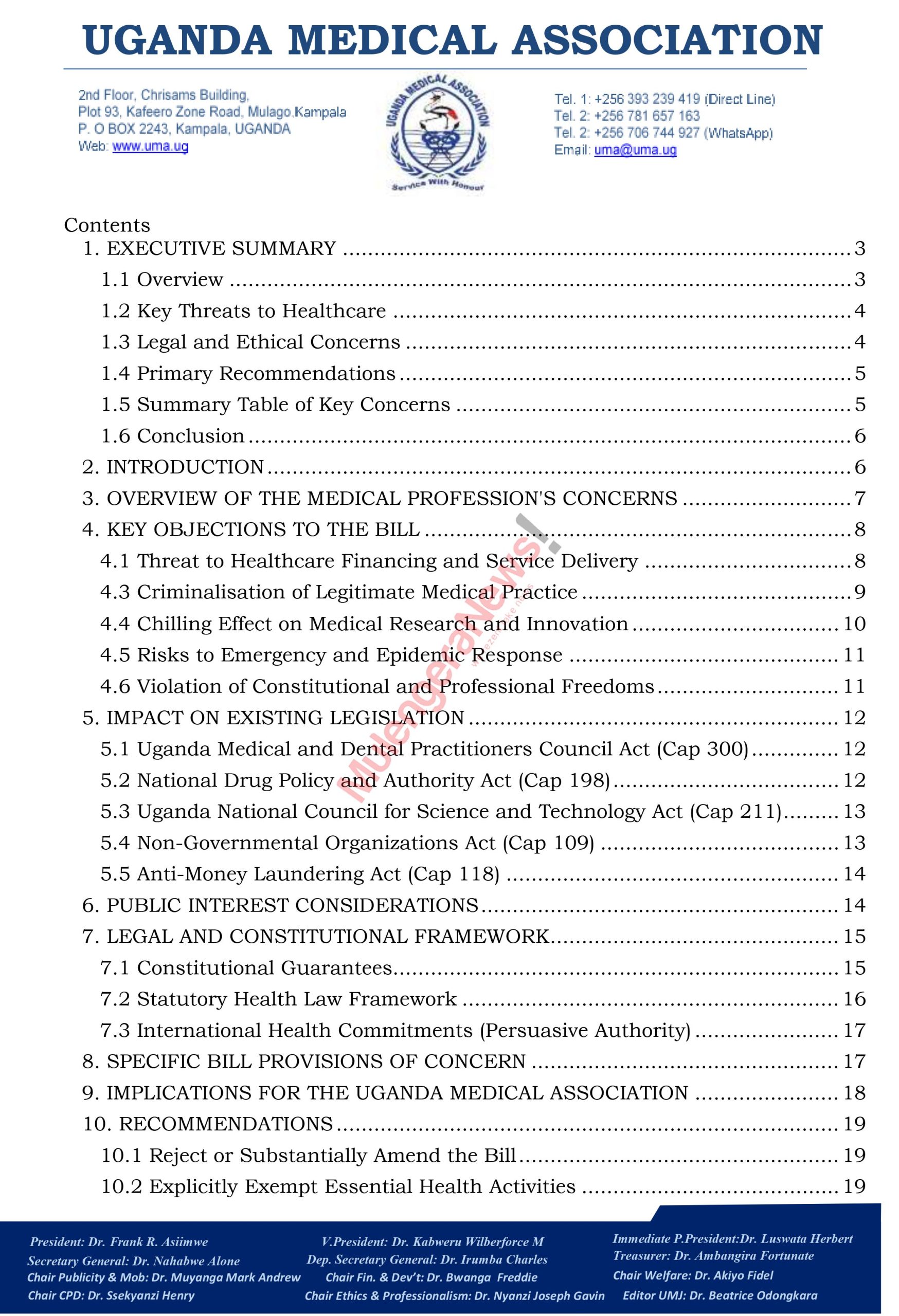
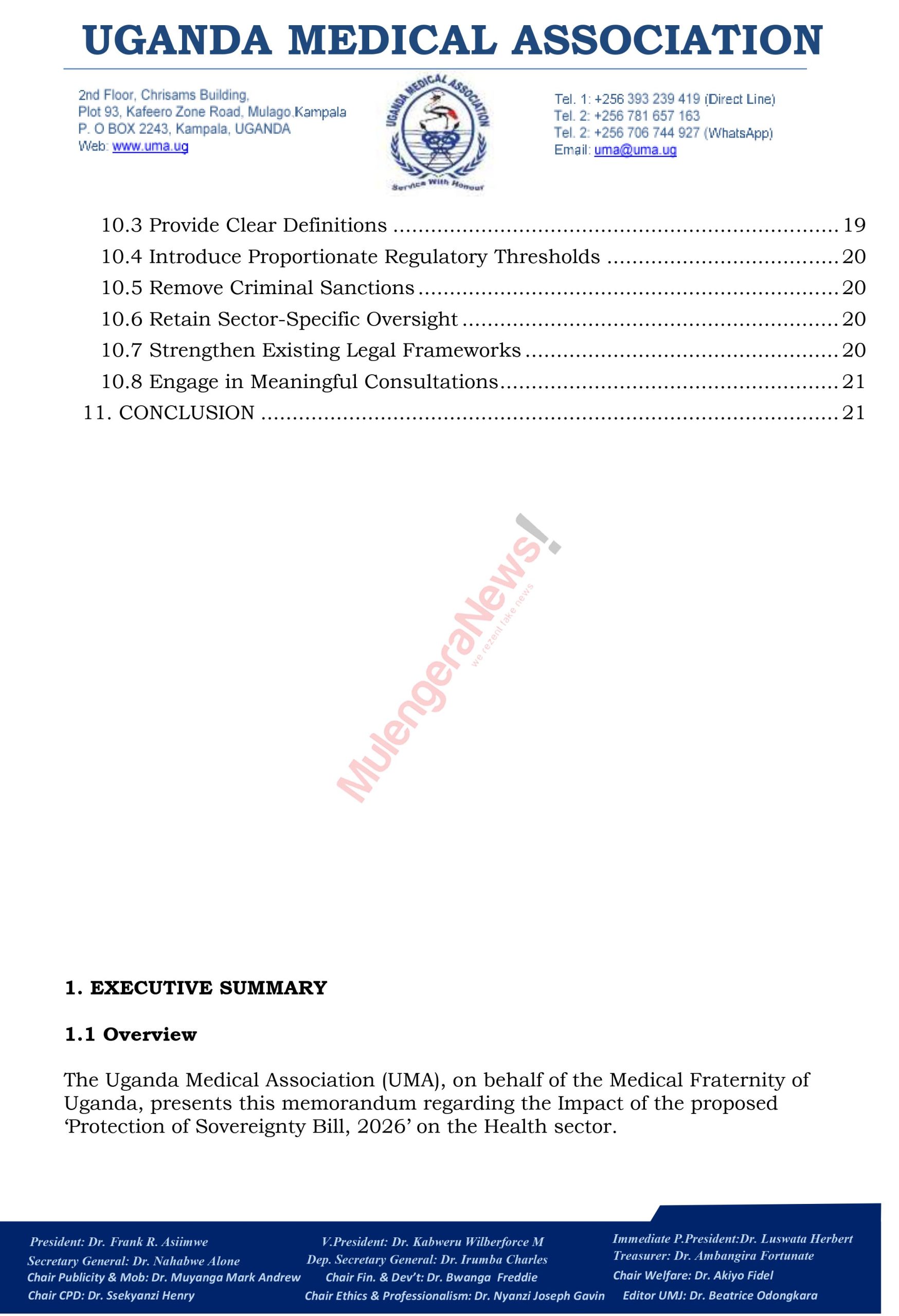
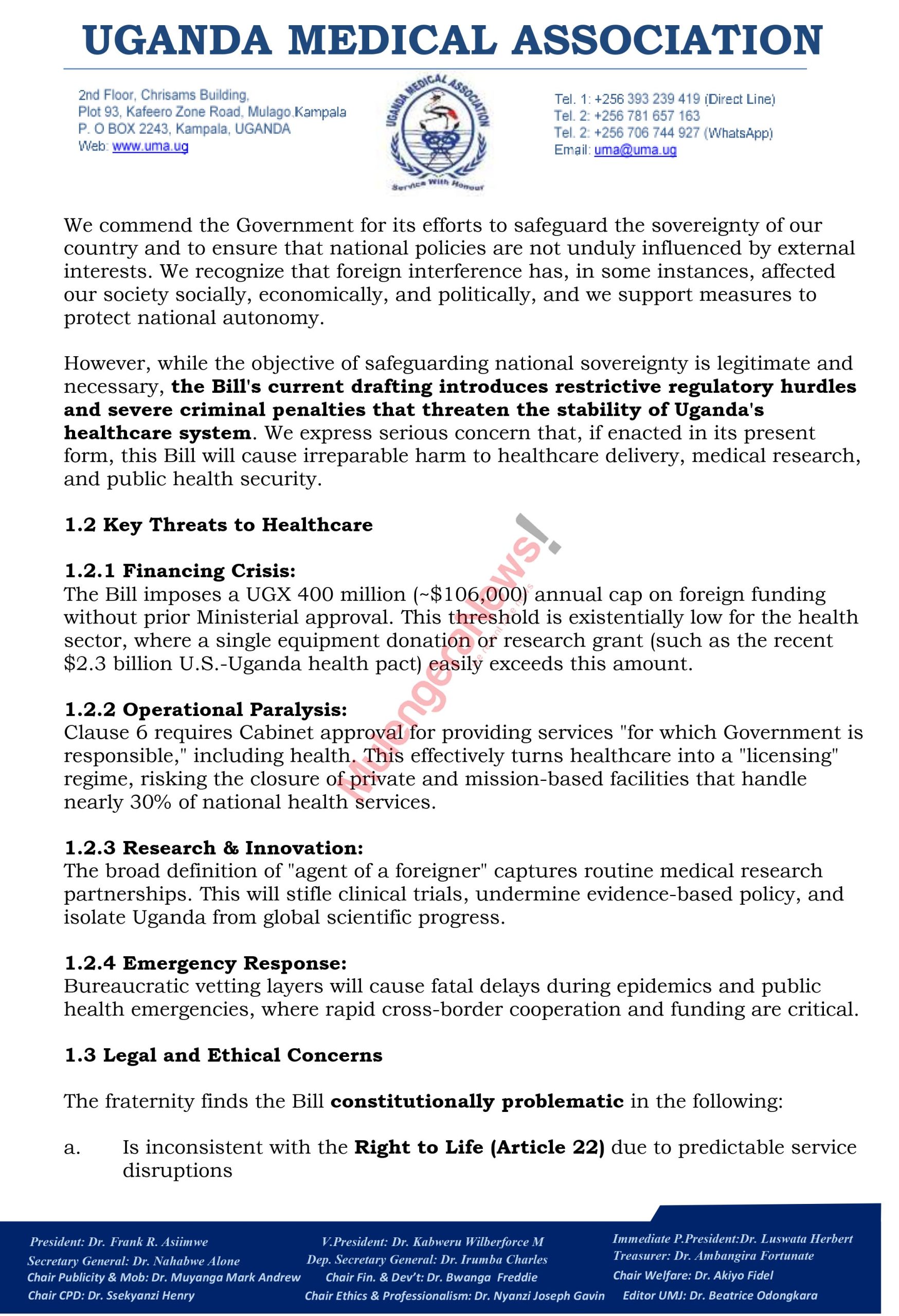
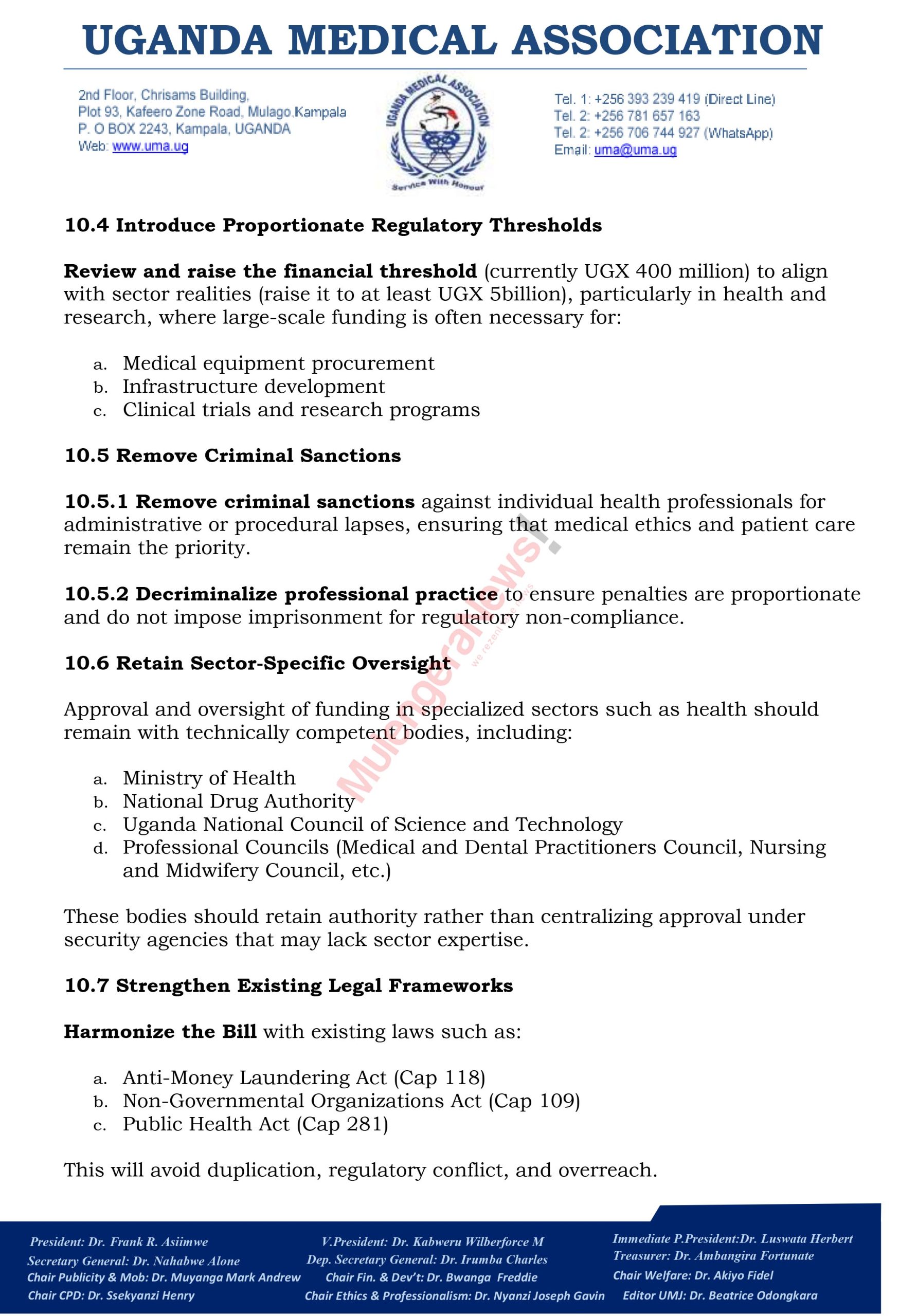
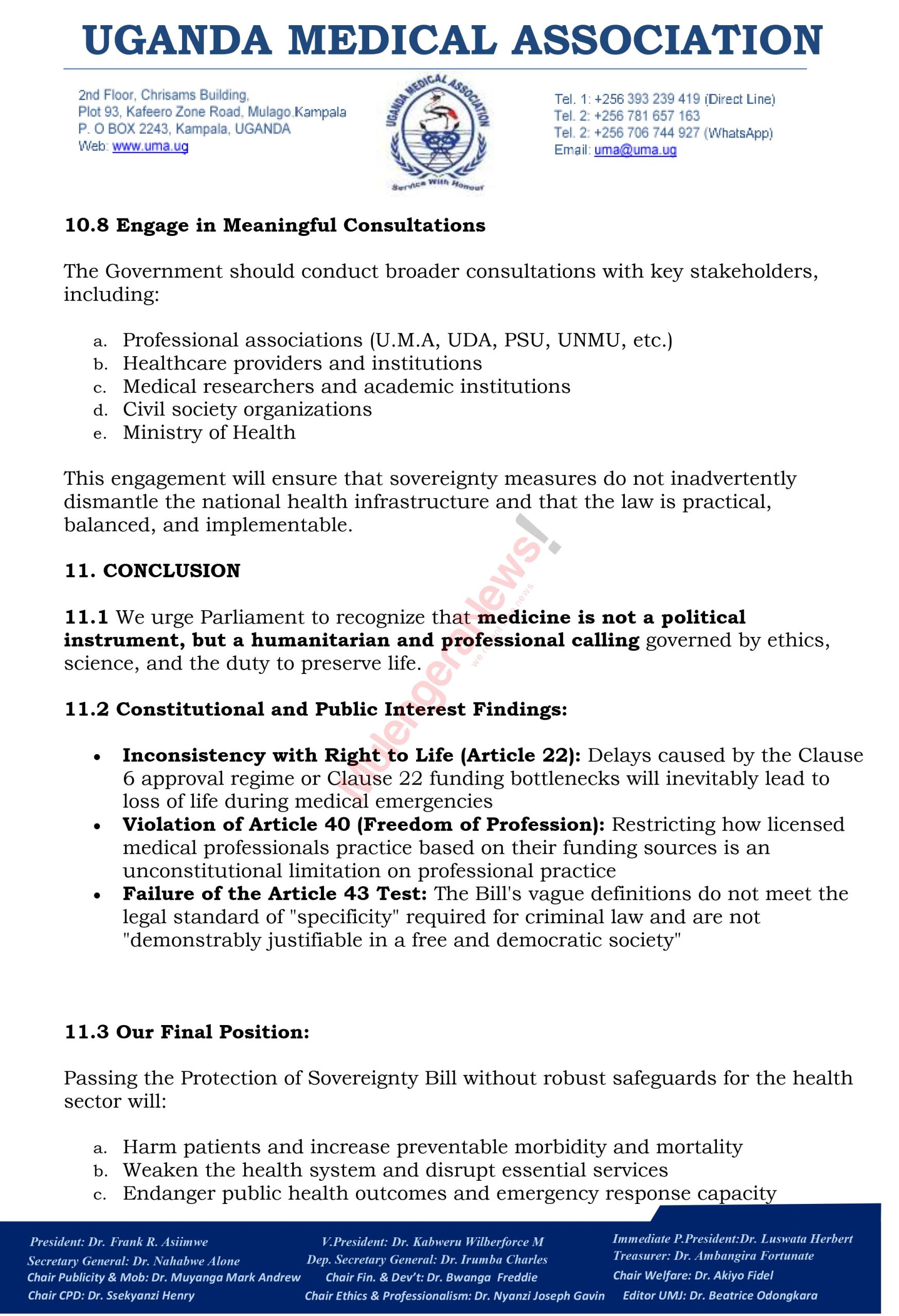
The Uganda Medical Association (UMA) has raised strong concern over the proposed ‘Protection of Sovereignty Bill, 2026’, warning that if passed in its current form, it could seriously disrupt Uganda’s healthcare system, medical research, and emergency health response.
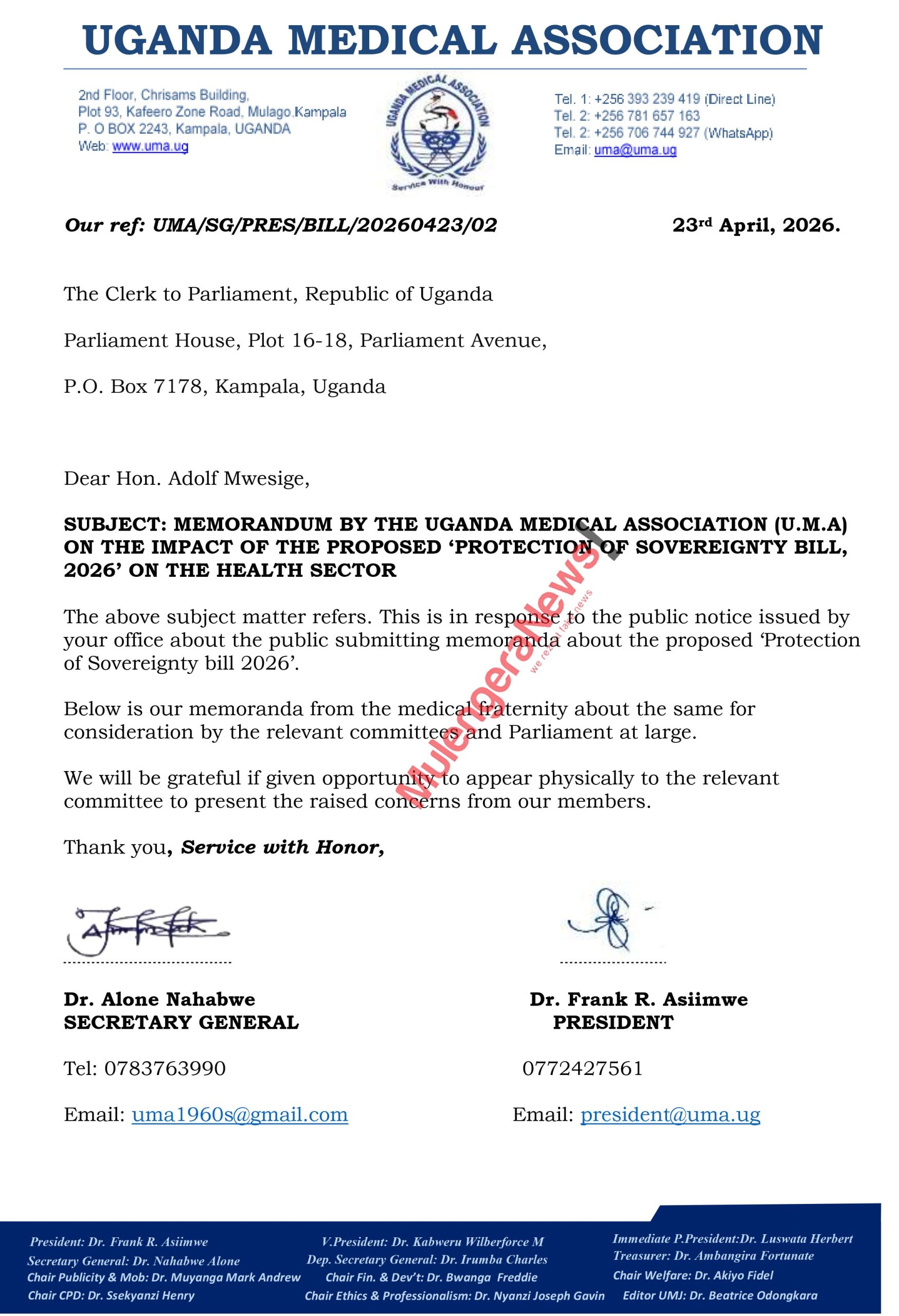
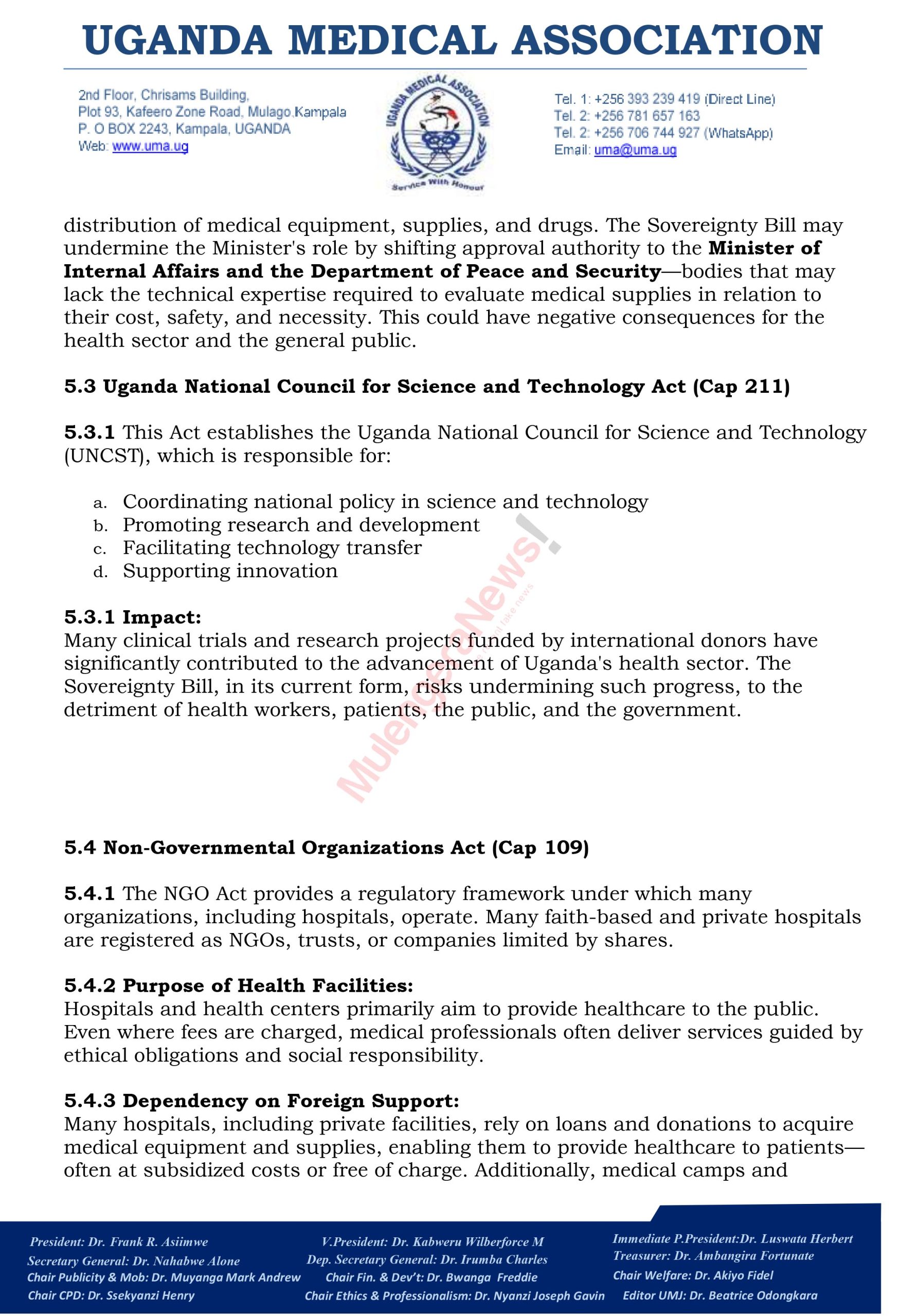
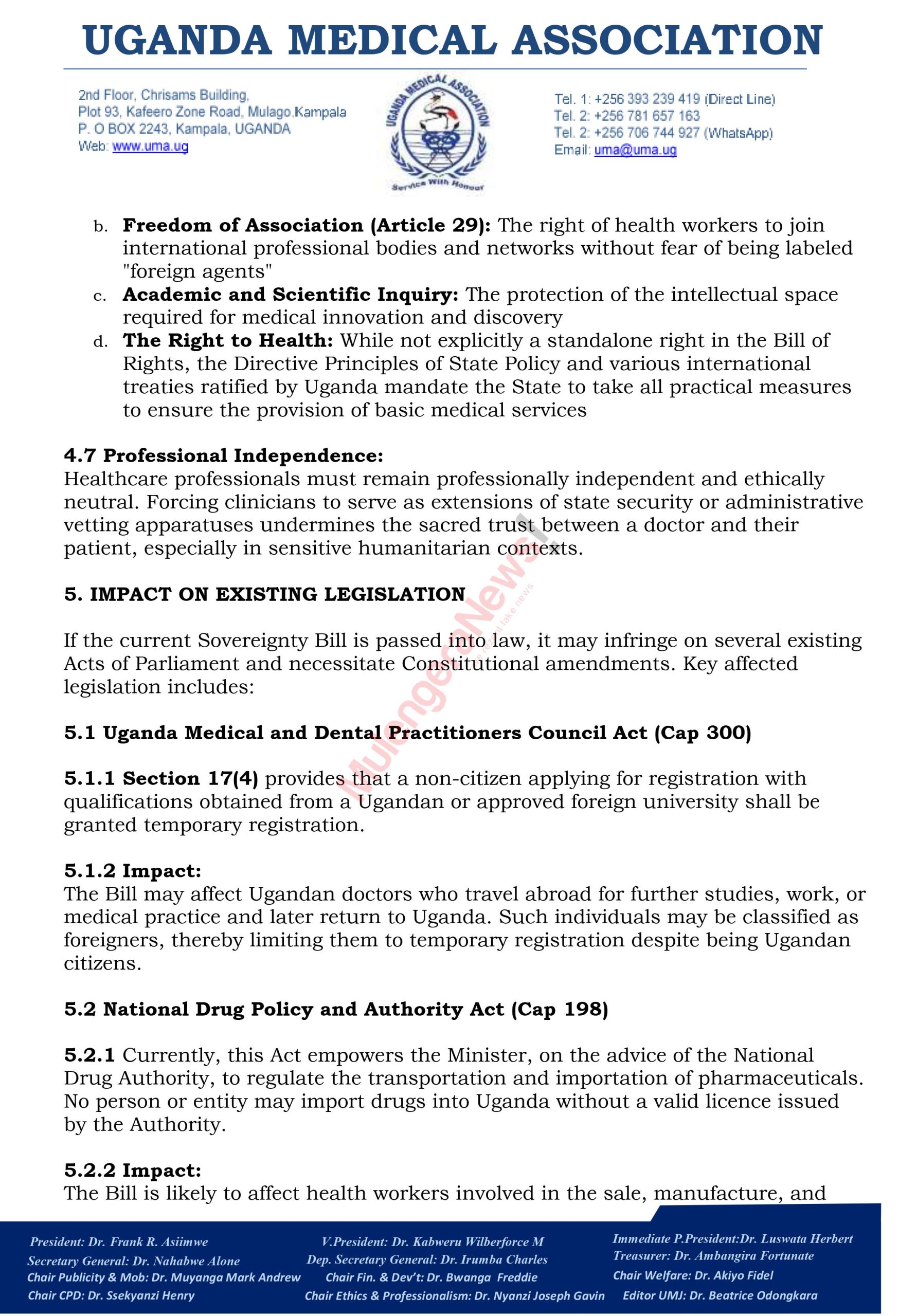
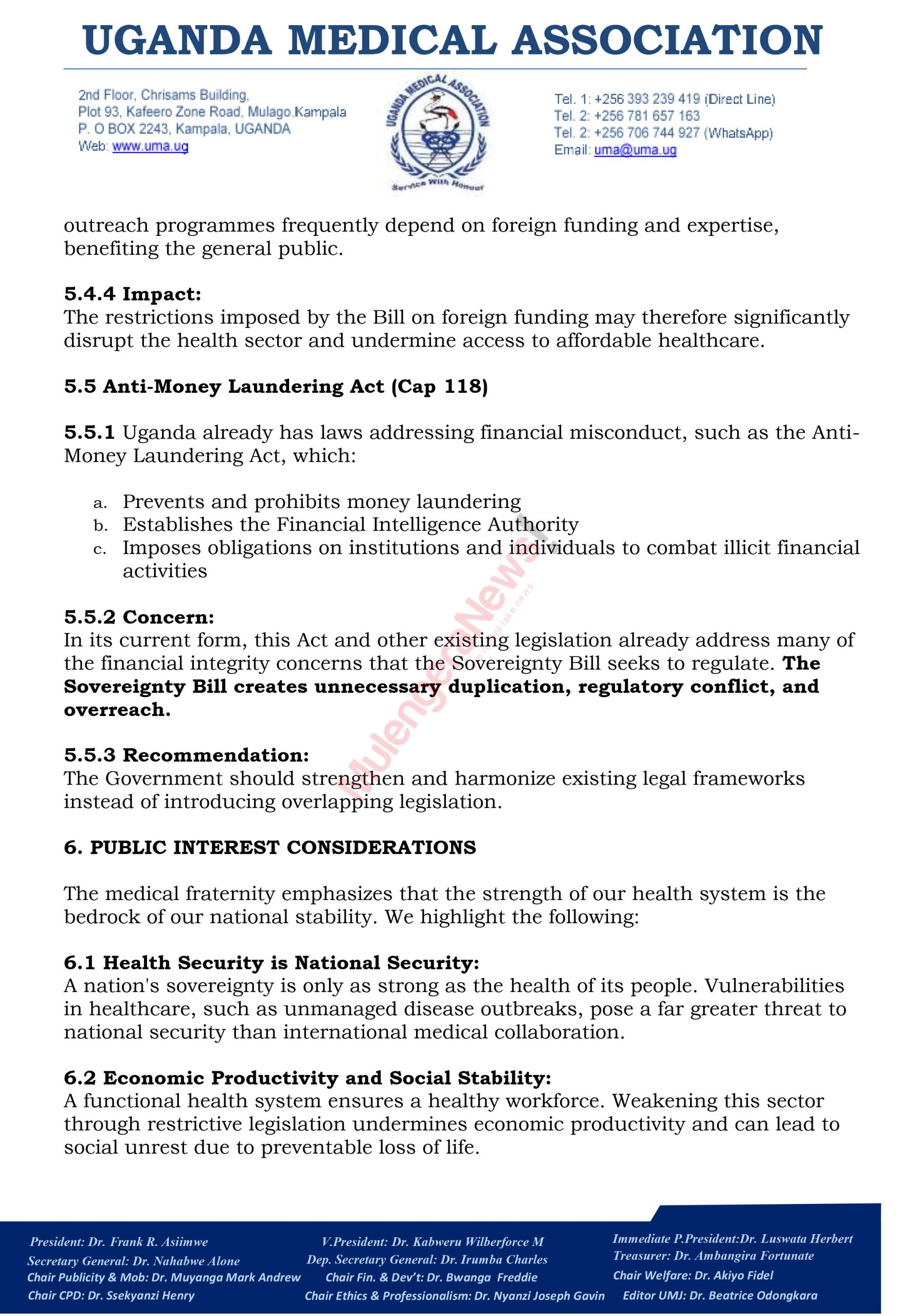
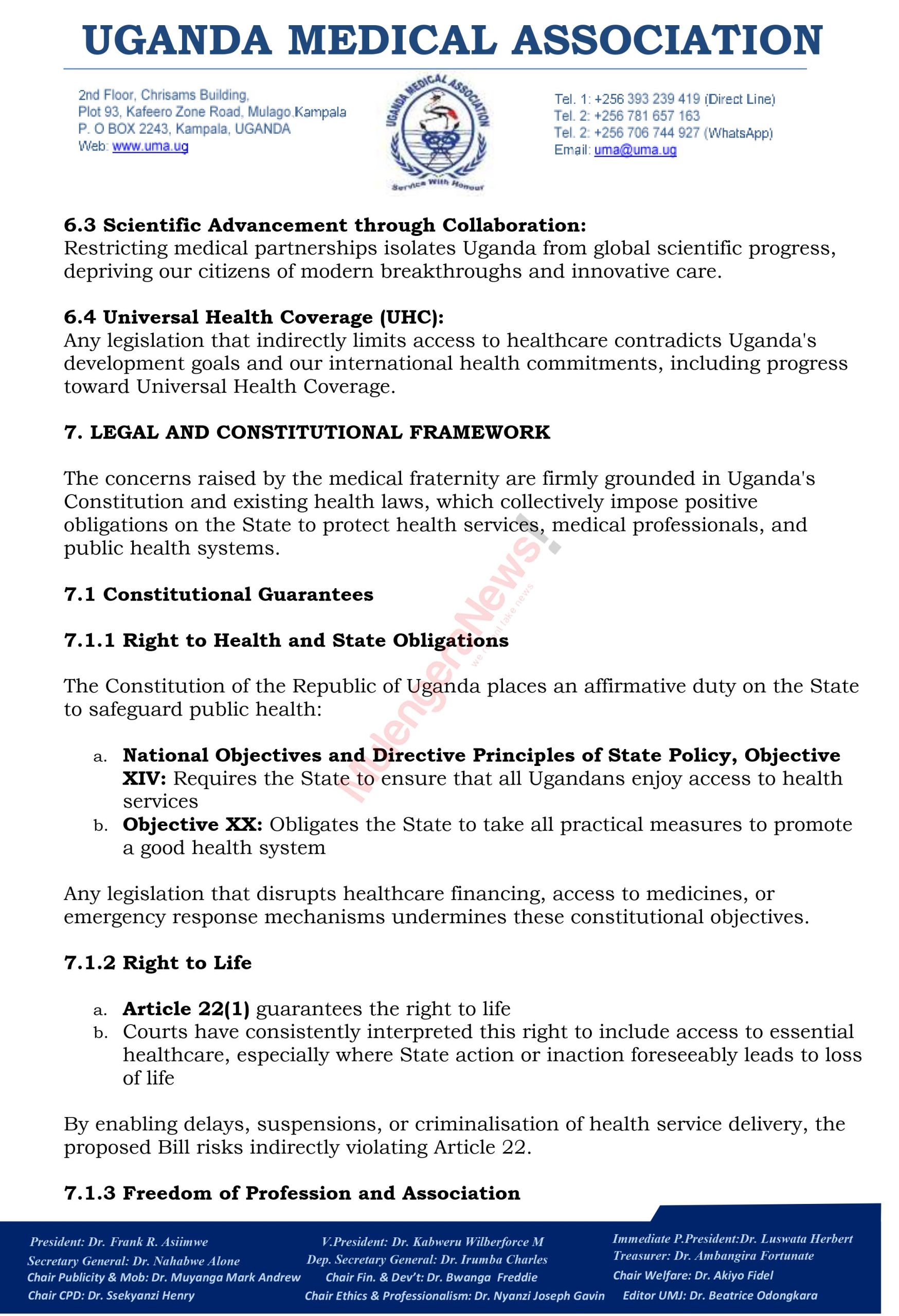
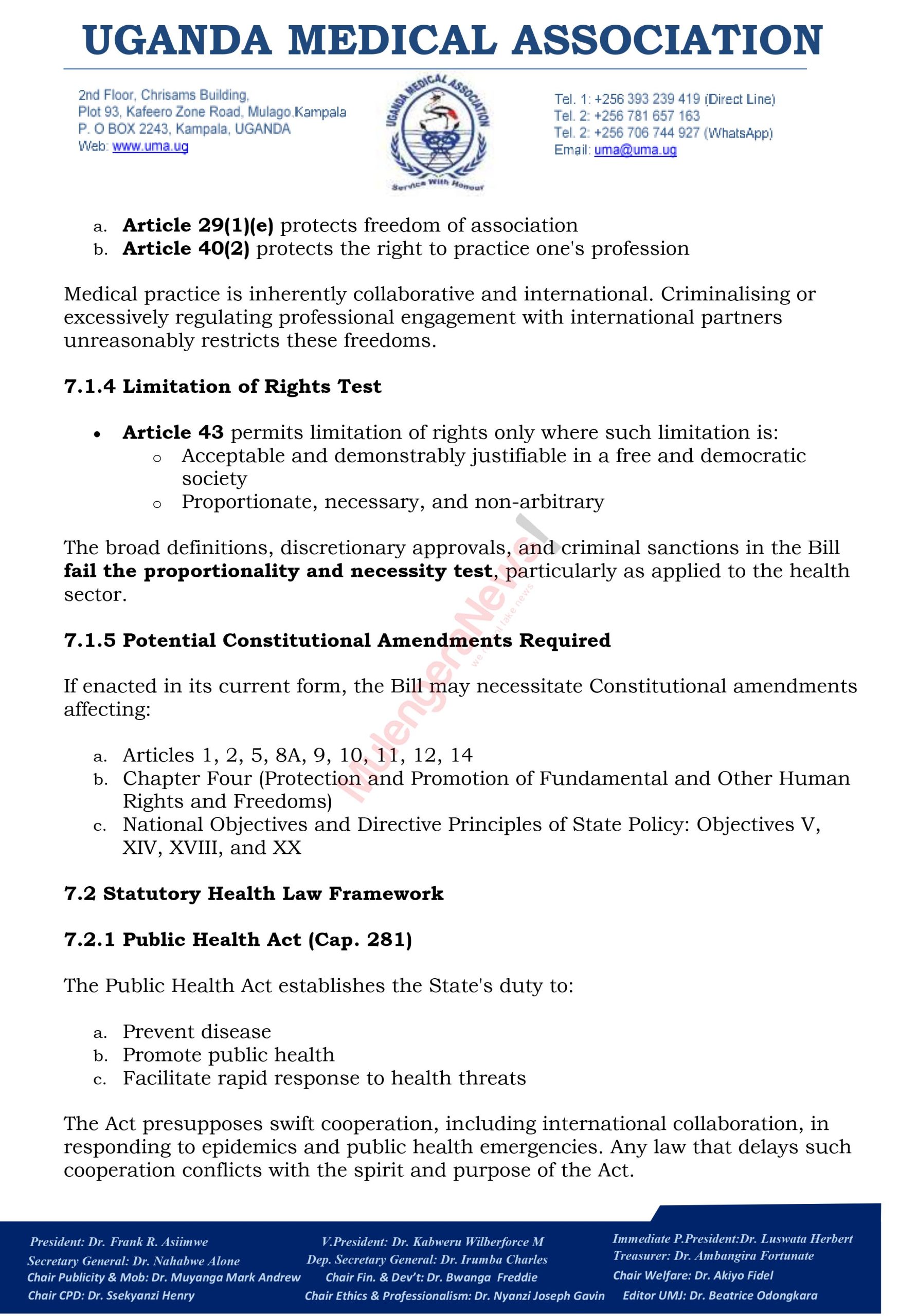
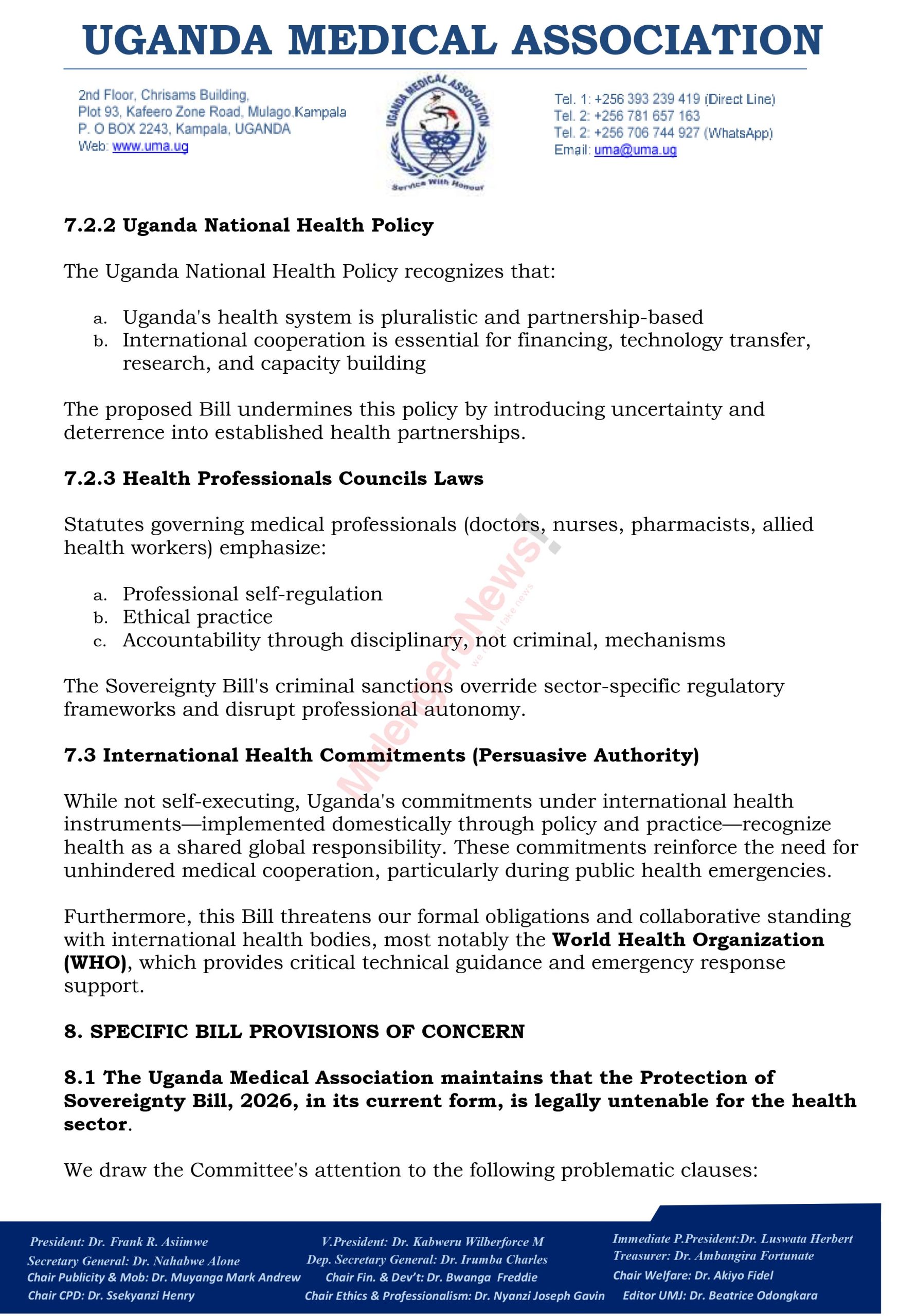
In a detailed memorandum submitted to the Clerk to Parliament of the Republic of Uganda, Hon. Adolf Mwesige, the association says that while it supports the government’s goal of protecting national sovereignty, the draft law introduces strict controls and harsh penalties that could weaken health service delivery across the country.
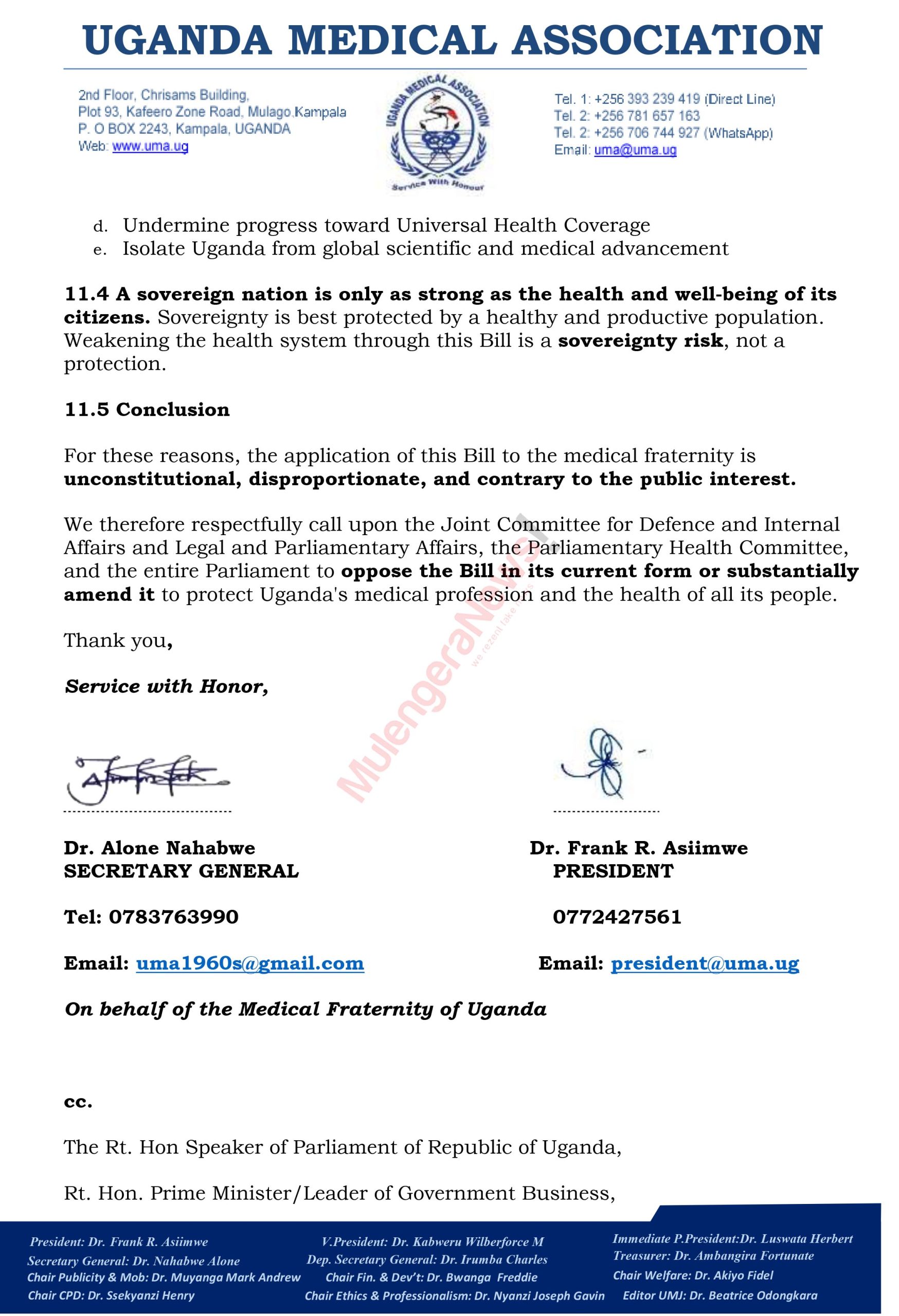
The memorandum, referenced as UMA/SG/PRES/BILL/20260423/02 and dated 23rd April 2026, was signed by the leadership of the Uganda Medical Association. It was authored by Secretary General Dr. Alone Nahabwe and President Dr. Frank R. Asiimwe, who expressed readiness to appear before parliamentary committees to explain the association’s concerns.

Other key leaders who contributed to the position include Vice President Dr. Wilberforce Kabweru M, Immediate Past President Dr. Herbert Luswata, Treasurer Dr. Fortunate Ambangira, Deputy Secretary General Dr. Charles Irumba, Chairperson for Continuing Professional Development Dr. Henry Ssekyanzi, Chairperson for Ethics and Professionalism Dr. Joseph Gavin Nyanzi, Editor of the Uganda Medical Journal Dr. Beatrice Odongkara, Chairperson for Publicity and Mobilization Dr. Mark Andrew Muyanga, Chairperson for Finance and Development Dr. Freddie Bwanga, Chairperson for Welfare Dr. Fidel Akiyo, and many other senior medical professionals representing the national medical fraternity.
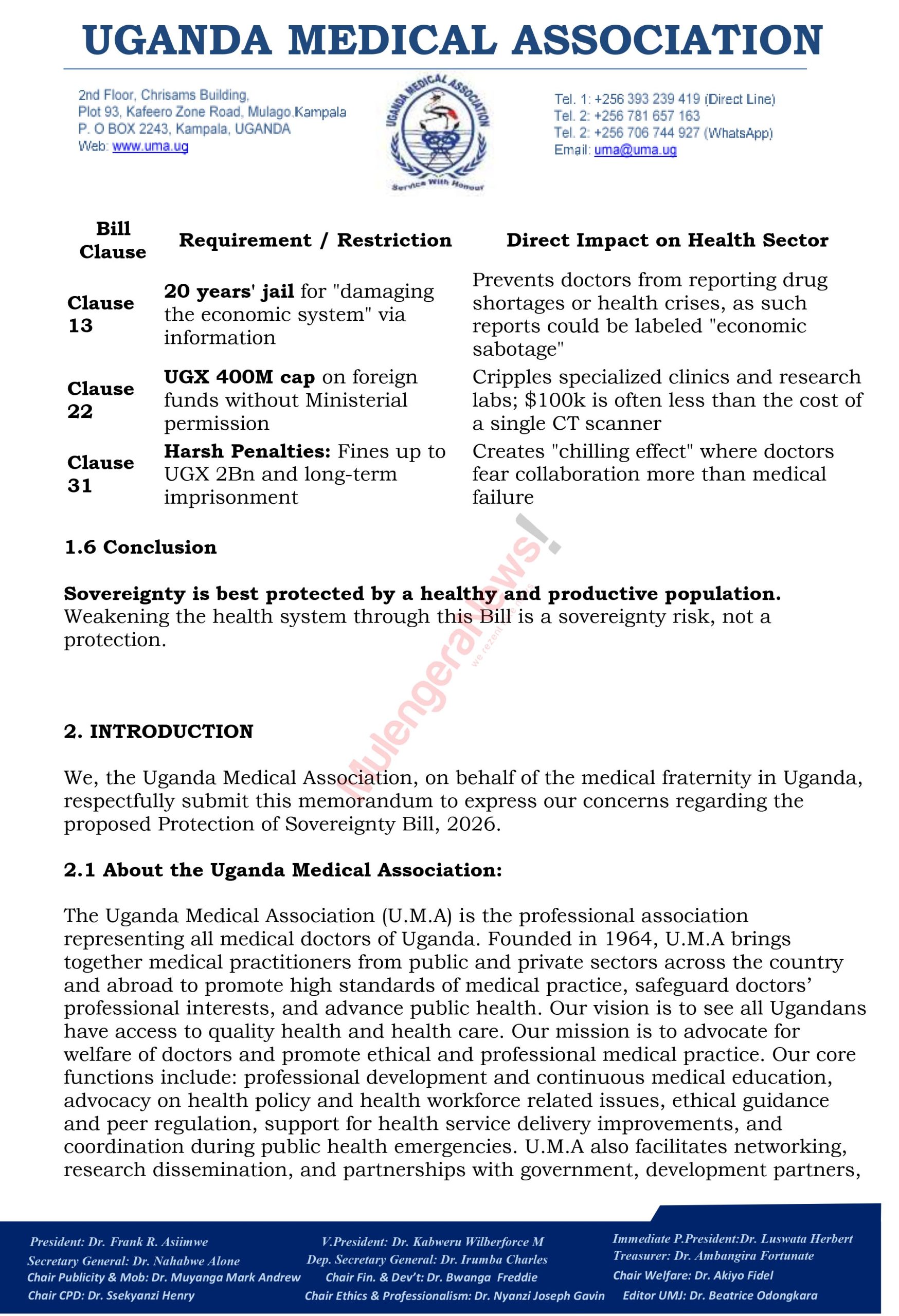
In its introduction, the Uganda Medical Association said it represents all medical doctors in Uganda, both in public and private practice. The association, founded in 1964, is responsible for promoting ethical medical practice, supporting doctors’ welfare, and advising on health policy issues. It emphasized that its mission is to ensure all Ugandans have access to quality healthcare services.
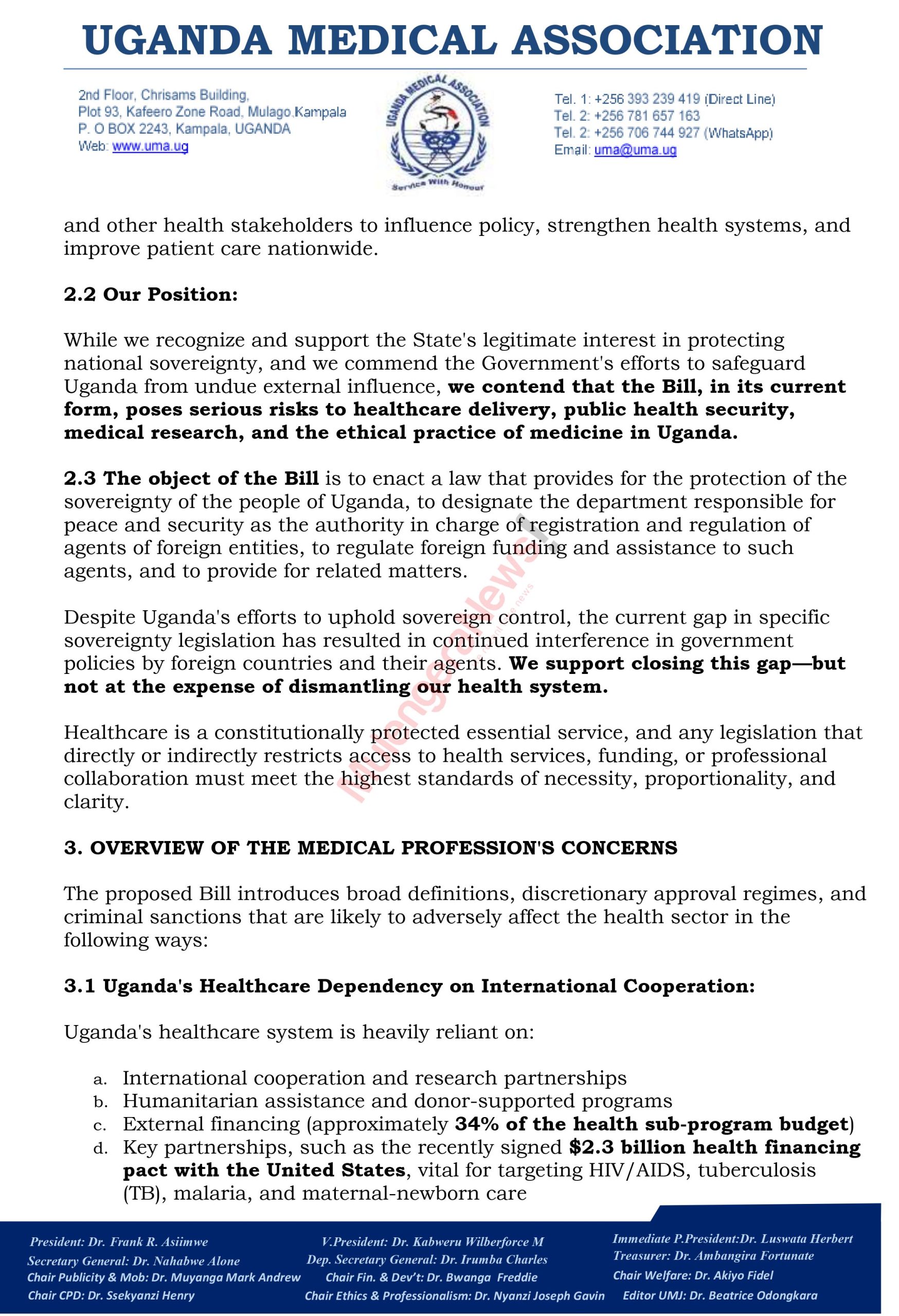
While acknowledging the government’s intention to protect Uganda from foreign interference, UMA warned that the current draft of the Bill could unintentionally harm the health sector more than protect the country.
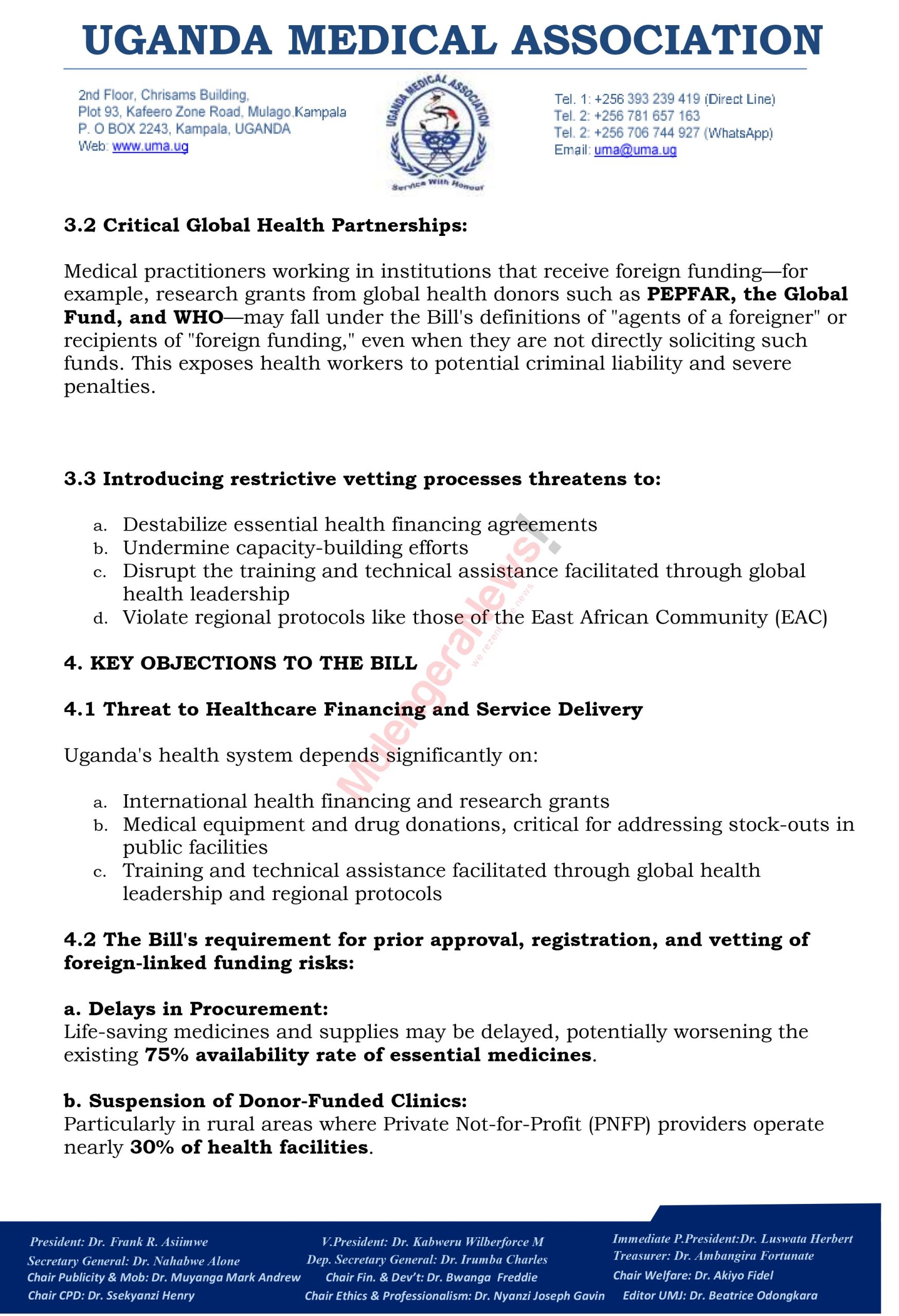
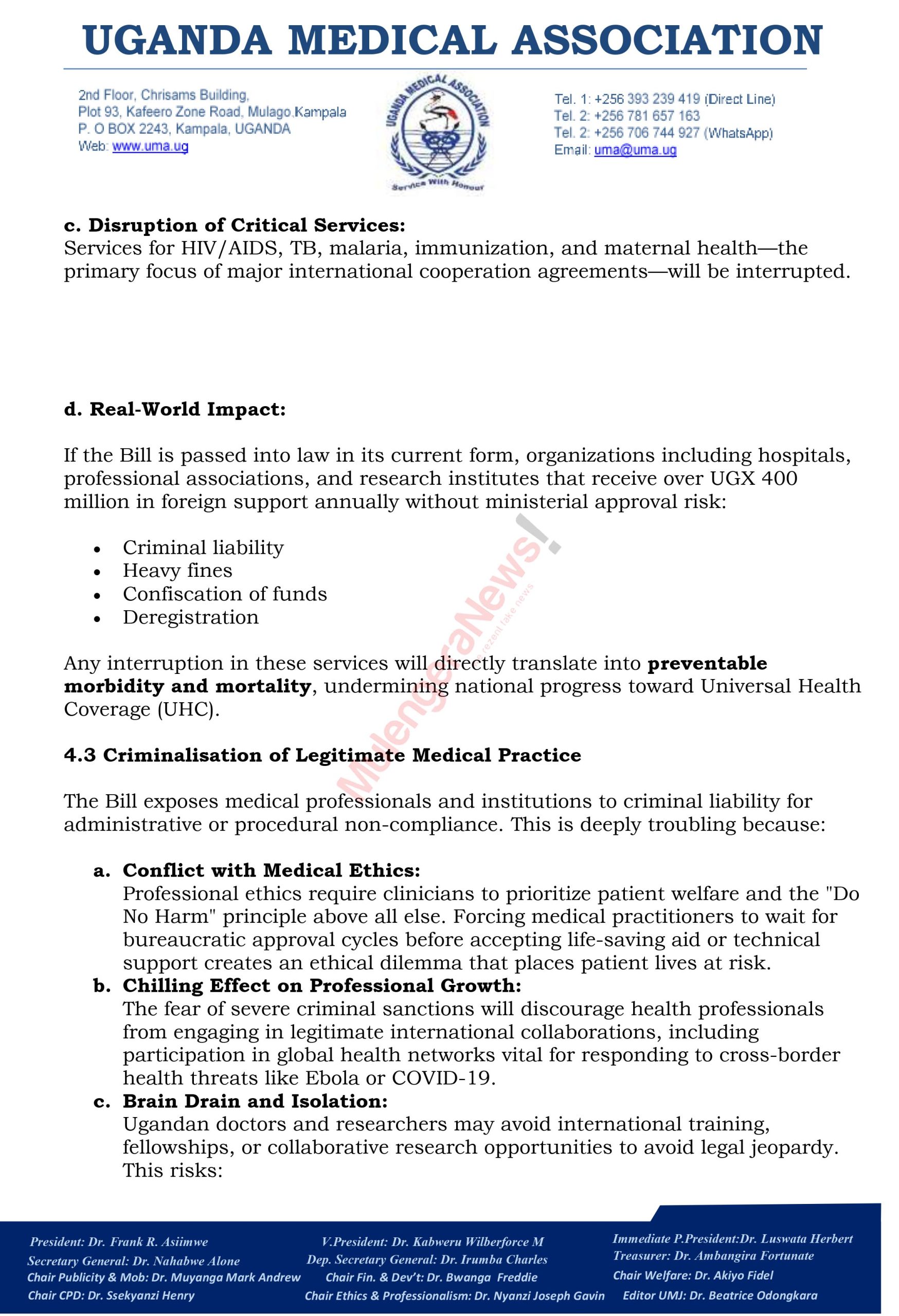
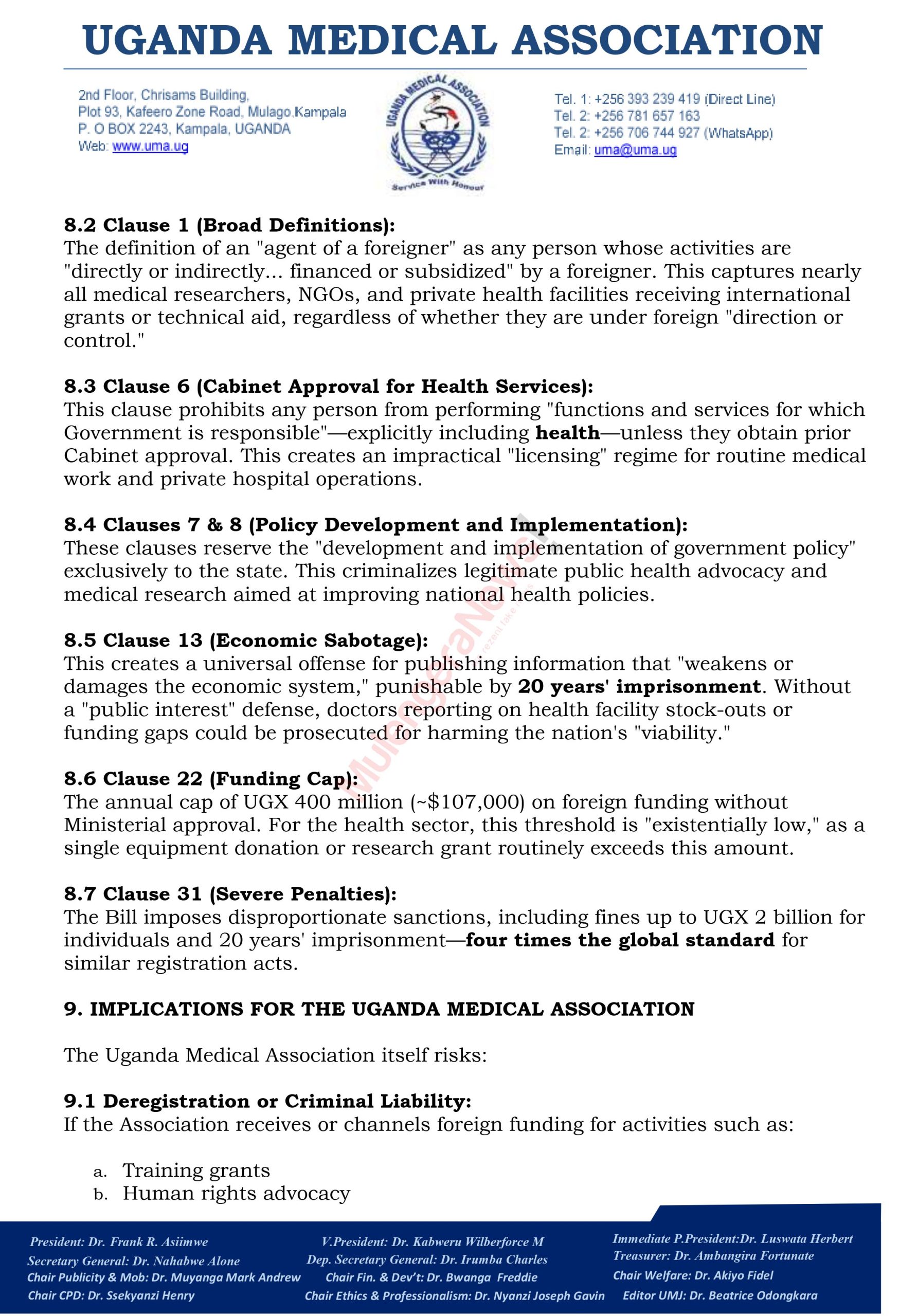
One of the strongest concerns raised relates to the proposed restriction on foreign funding. The Bill reportedly places a UGX 400 million annual limit on foreign funding without prior ministerial approval. According to UMA, this amount is extremely low in the health sector, where even a single piece of equipment such as a CT scanner can exceed that value. The association noted that large-scale health programs, research grants, and donor partnerships often run into billions of shillings, making the cap unrealistic.

UMA further warned that Uganda’s healthcare system depends heavily on international cooperation. About 34 percent of the health budget is supported by external partners, including global health organizations and donor-funded programs. The association specifically mentioned major partnerships such as a recently signed $2.3 billion Uganda–United States health financing agreement that supports HIV/AIDS, tuberculosis, malaria, and maternal health programs.
The medical body also expressed concern that Clause 6 of the Bill, which requires Cabinet approval before offering services that fall under government responsibility, could turn healthcare delivery into a heavily controlled licensing system. UMA warned that this could affect private and mission hospitals, which together provide nearly 30 percent of health services in Uganda.
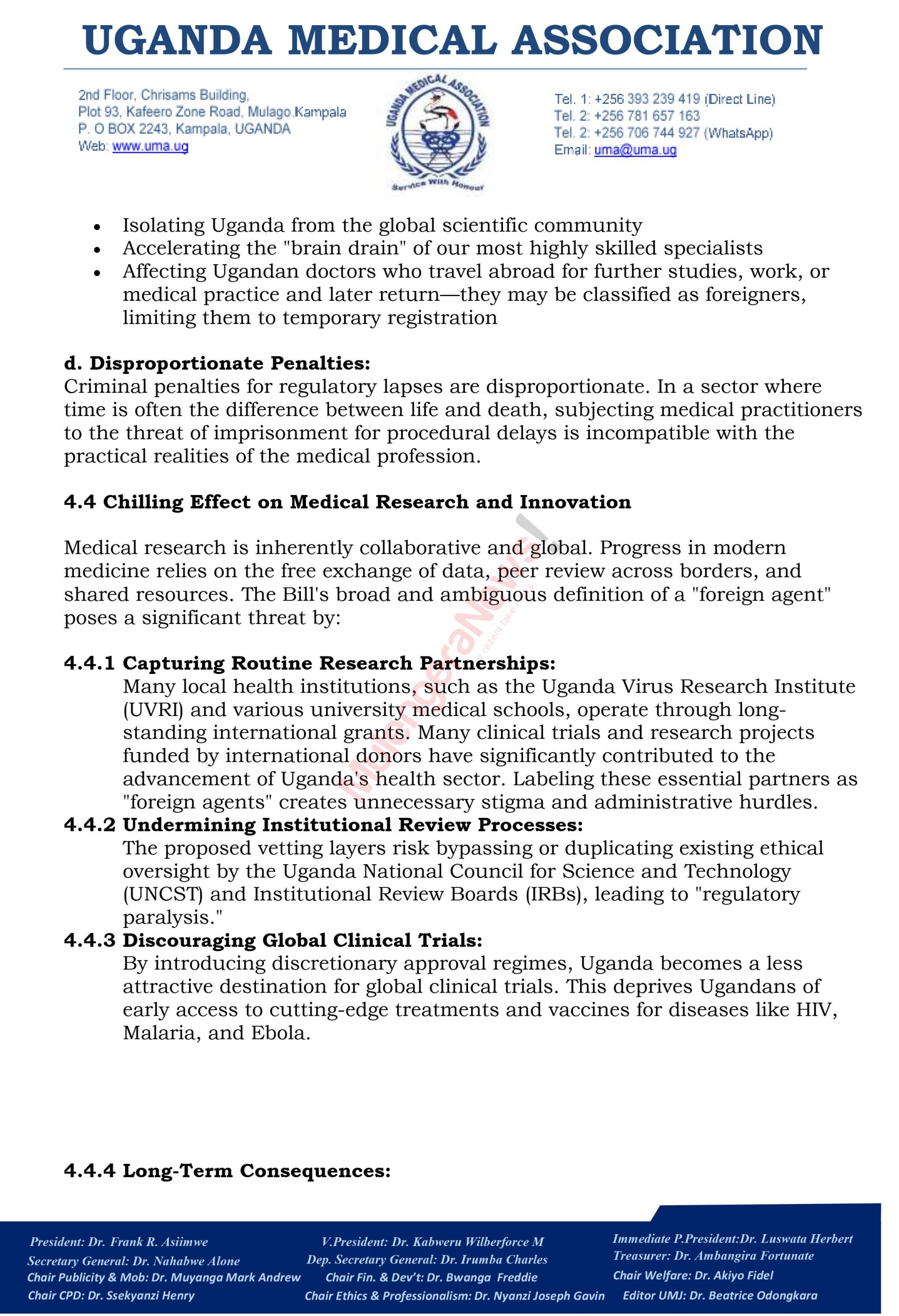
Another major issue raised is the impact on medical research and innovation. The association said the Bill’s broad definition of a “foreign agent” could wrongly include doctors and institutions involved in normal research partnerships with international organizations. This, they warned, could discourage clinical trials, limit innovation, and isolate Uganda from global medical progress.
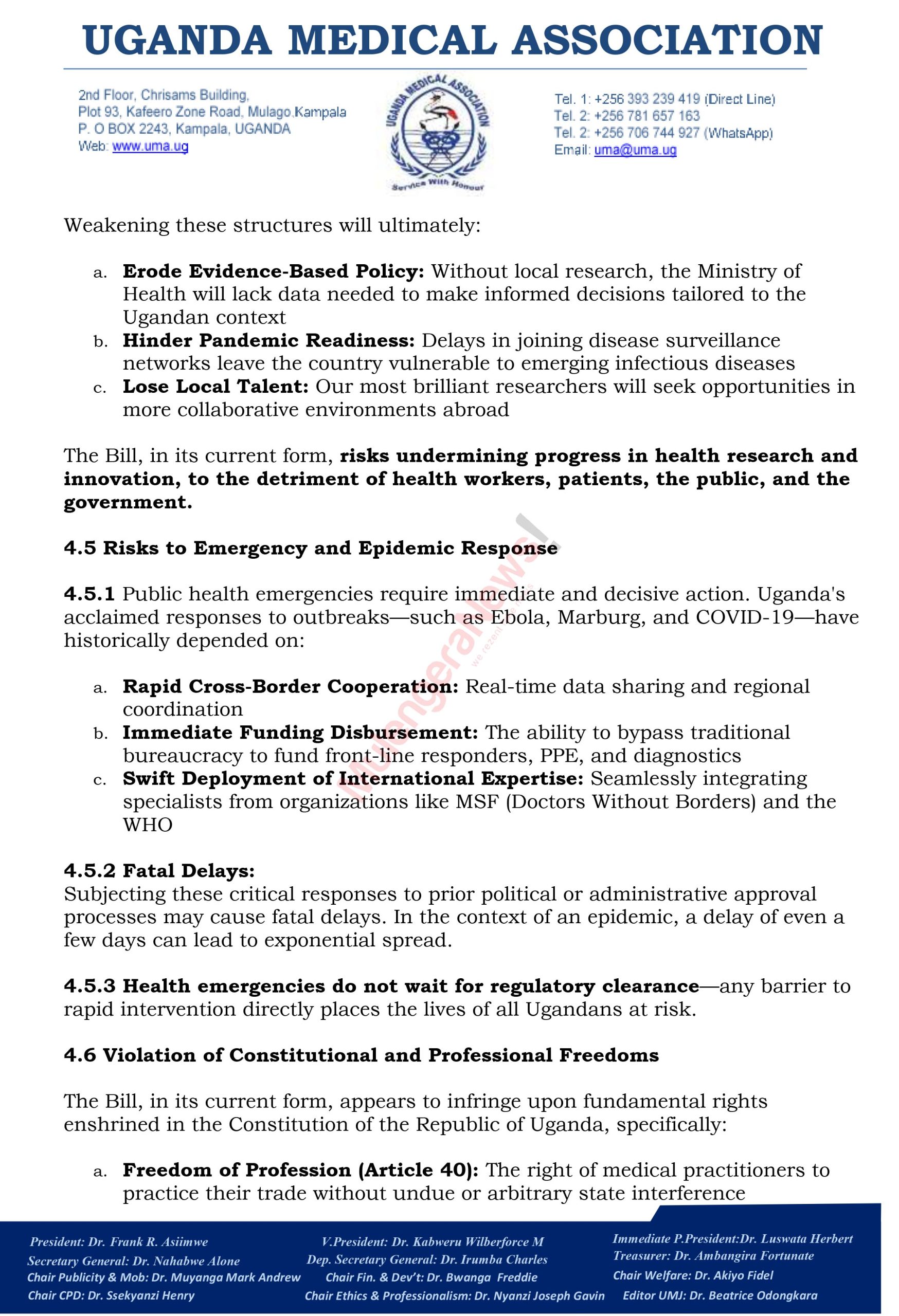
UMA also raised alarm over potential delays in emergency response. The association explained that during outbreaks such as Ebola, Marburg, or COVID-19, Uganda depends on quick access to international expertise, funding, and medical supplies. Introducing long approval processes, they said, could delay urgent action and lead to preventable deaths.
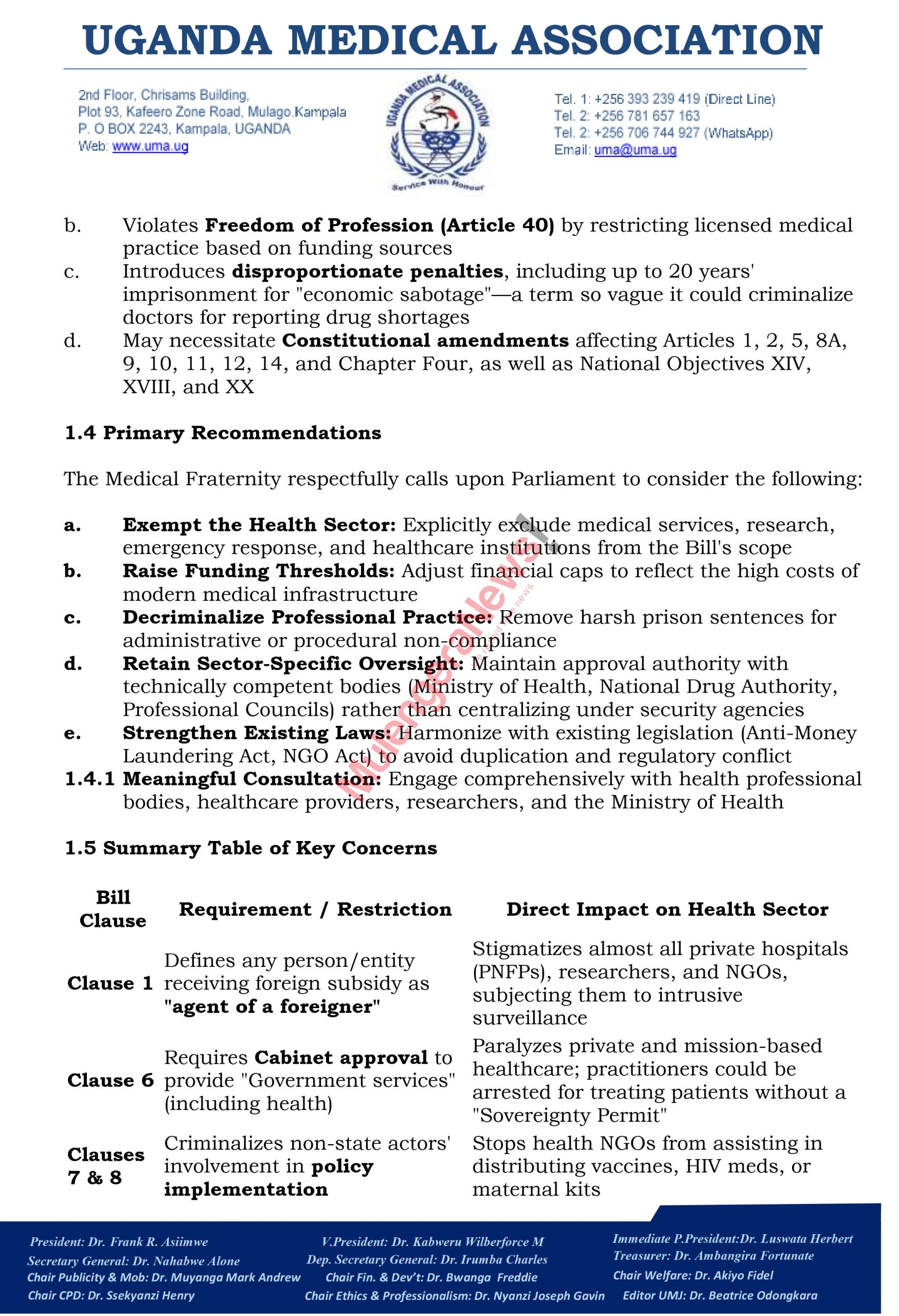
The memorandum also pointed to legal and constitutional concerns. UMA argued that the Bill could violate the right to life under Article 22 of the Constitution by disrupting healthcare services. It may also interfere with Article 40, which protects the freedom to practice a profession. The association warned that criminal penalties of up to 20 years in prison for vague offences such as “economic sabotage” could criminalize routine professional actions, including reporting drug shortages.
The doctors further warned that the Bill could discourage health workers from engaging in international training, fellowships, and research. This could lead to brain drain, where skilled Ugandan doctors leave the country for more supportive environments abroad. It could also affect returning professionals who may be wrongly classified under strict foreign agent definitions.
In addition, UMA said the Bill could conflict with existing laws such as the Uganda Medical and Dental Practitioners Council Act, the National Drug Policy and Authority Act, and the Uganda National Council for Science and Technology Act. The association warned that overlapping authority between security agencies and technical health bodies could create confusion and weaken expert decision-making in medical regulation.
The memorandum also raised concern that health NGOs could be prevented from supporting critical services such as vaccine distribution, HIV medication supply, and maternal health programs due to strict criminal penalties and approval requirements.
UMA concluded that while protecting sovereignty is important, strong health systems are also a key part of national security. The association argued that a weak healthcare system could itself threaten Uganda’s sovereignty by making the country vulnerable to disease outbreaks and preventable deaths.
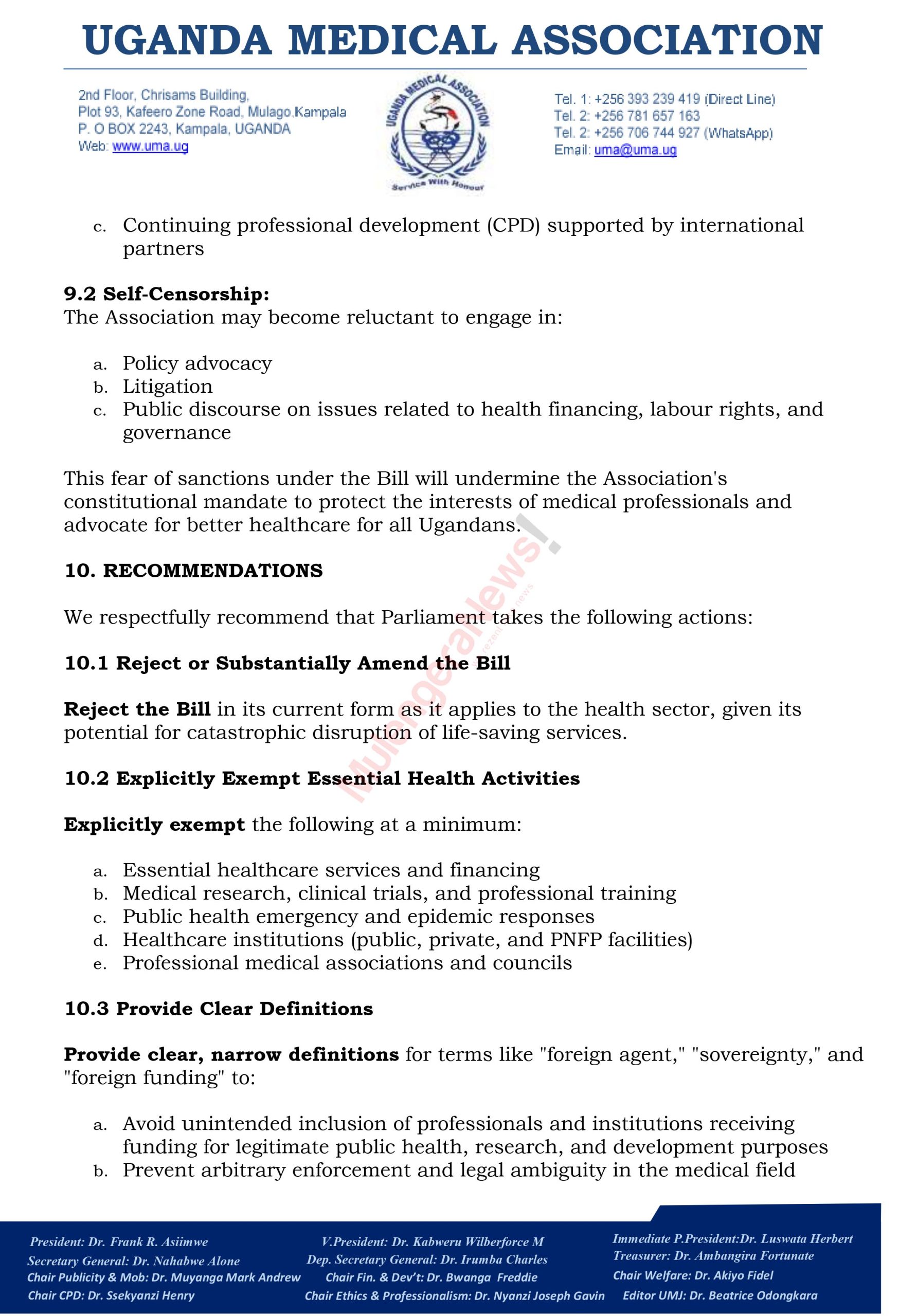
To address these concerns, UMA made several recommendations to Parliament. It called for the full exclusion of the health sector from the Bill’s scope, including hospitals, research institutions, and emergency medical services. It also recommended increasing the foreign funding threshold to reflect the real cost of healthcare operations.
The association further urged Parliament to remove harsh criminal penalties for administrative or procedural issues and to ensure that oversight remains under technical bodies such as the Ministry of Health and professional councils, rather than security agencies. It also called for meaningful consultation with medical professionals, researchers, and health institutions before the Bill is passed.
In its closing remarks, UMA stated that sovereignty is best protected by a healthy population and a strong healthcare system. It warned that weakening healthcare through restrictive laws could undermine the very national security the Bill seeks to protect.
The memorandum ends with a request for Parliament to carefully reconsider the draft law, emphasizing that Uganda’s progress in health, research, and emergency preparedness depends on maintaining open and functional global cooperation.