






By Mulengra Reporters
The National Water and Sewerage Corporation has revealed that it is intensifying research into prepaid water metering as part of efforts to curb persistent system losses estimated at between 10 and 15 percent, driven by a mix of illegal connections, infrastructure challenges, and metering inefficiencies.
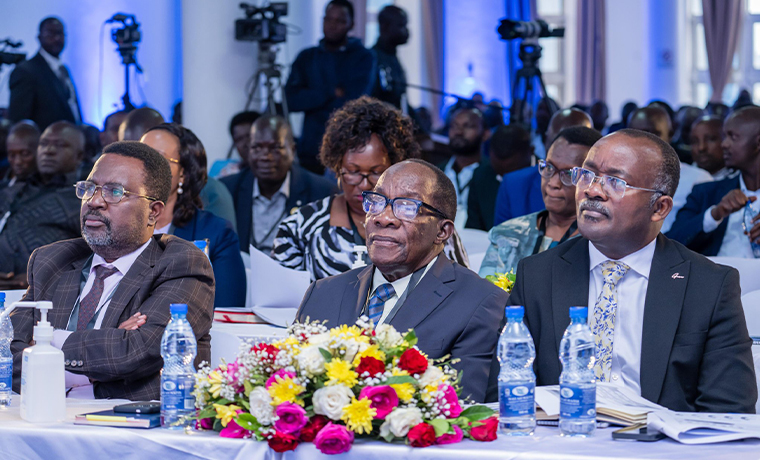
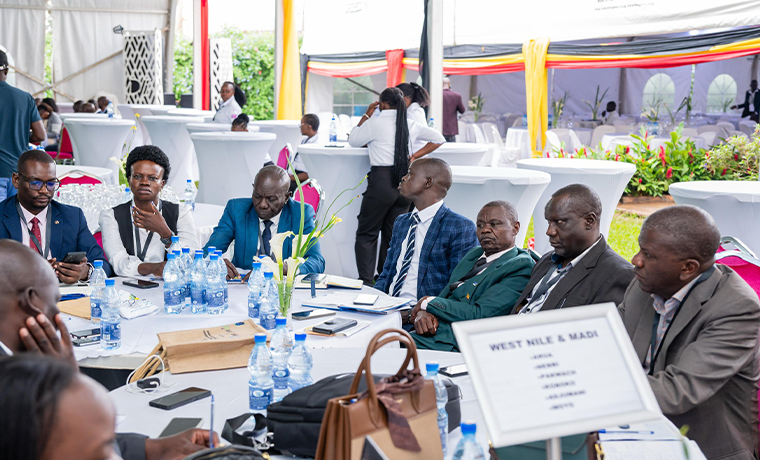
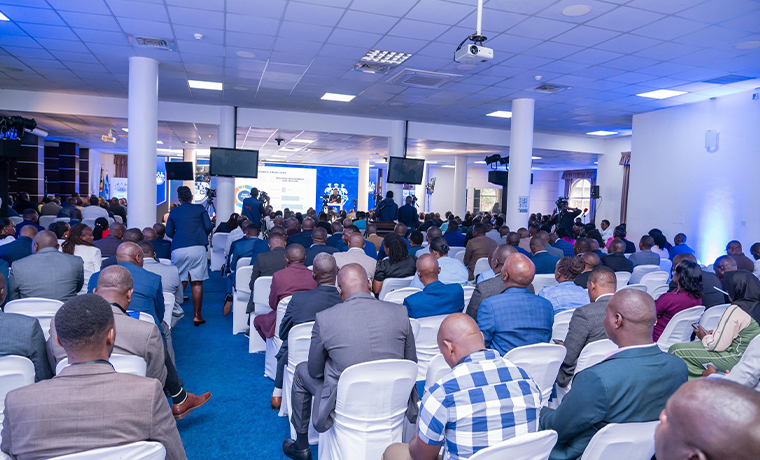
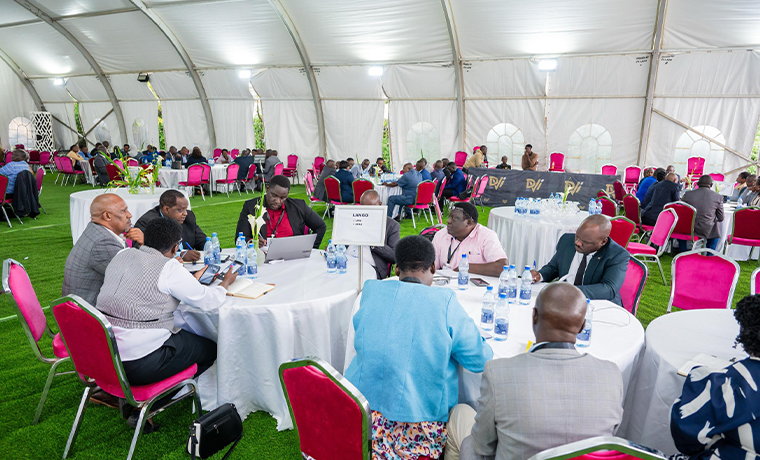
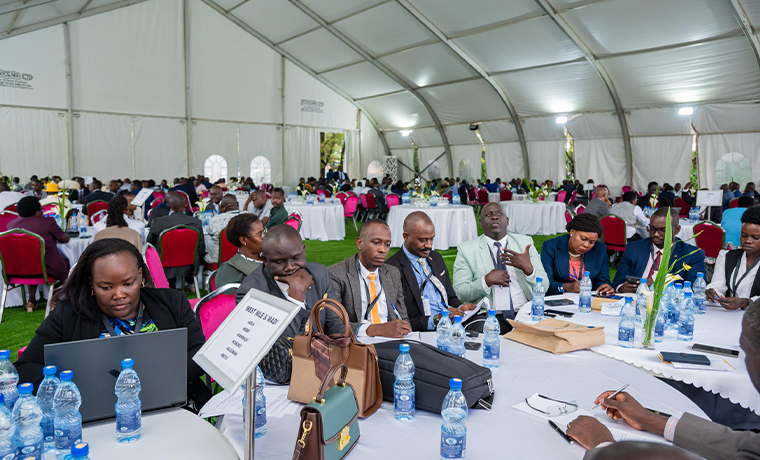
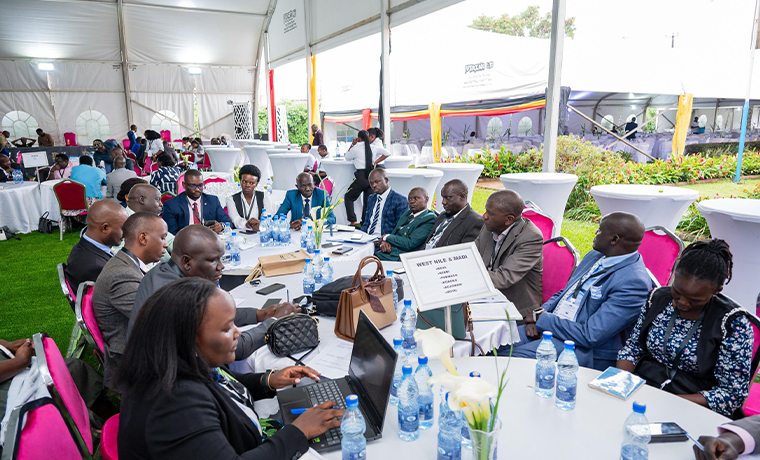
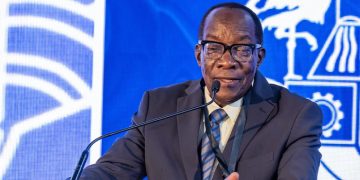
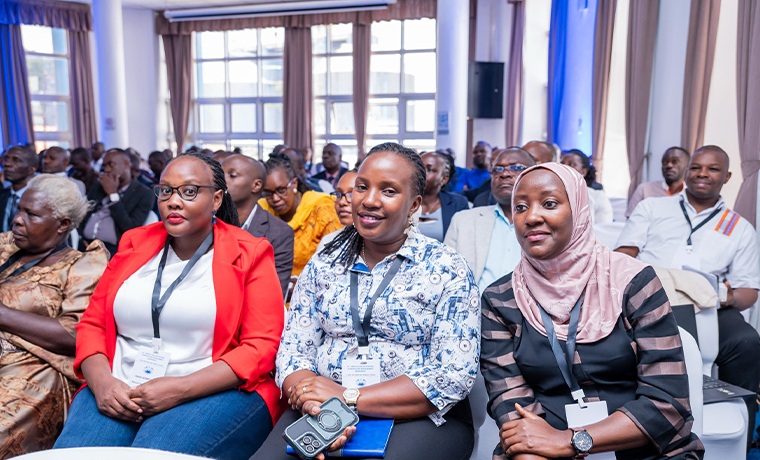
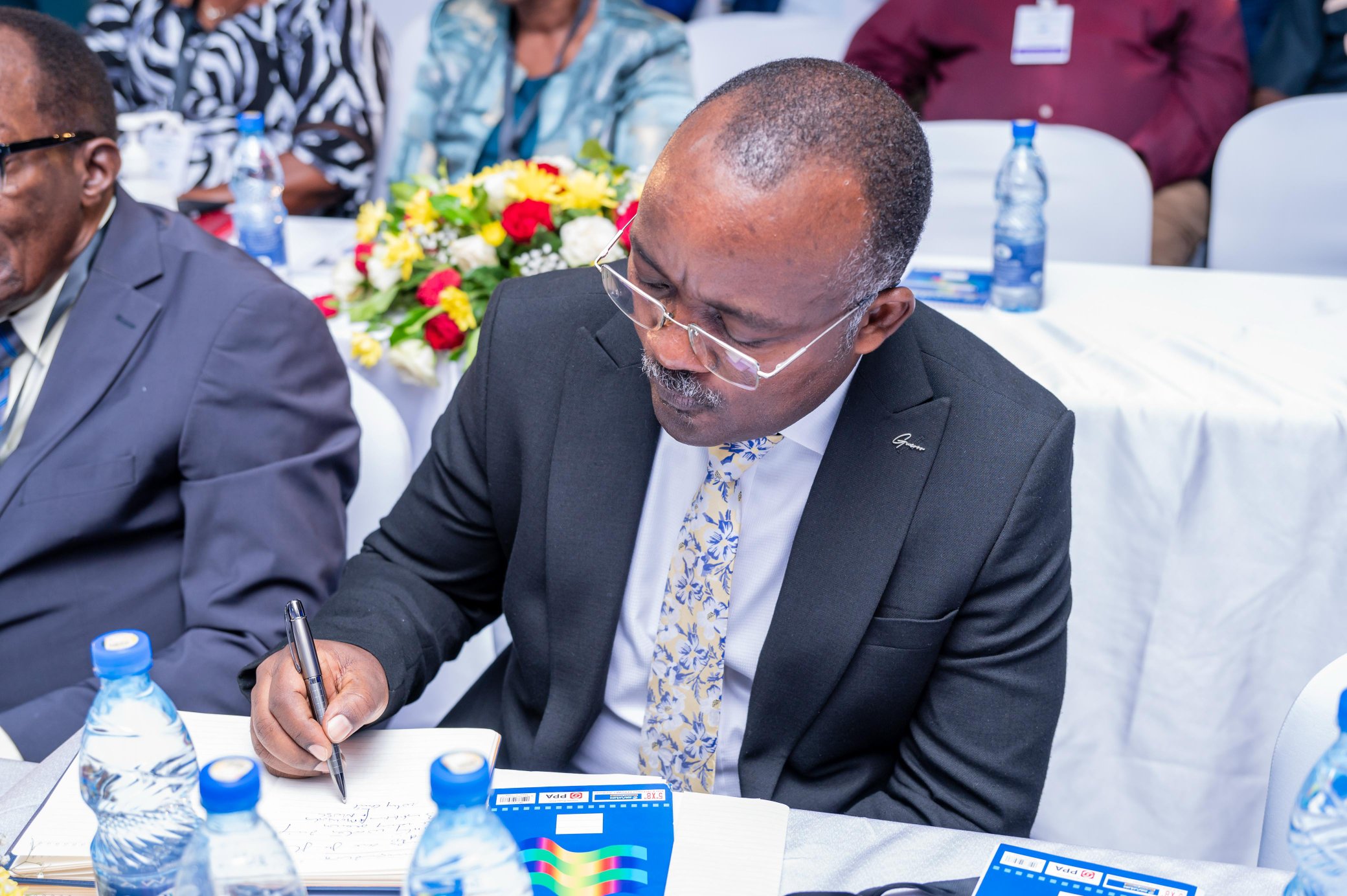
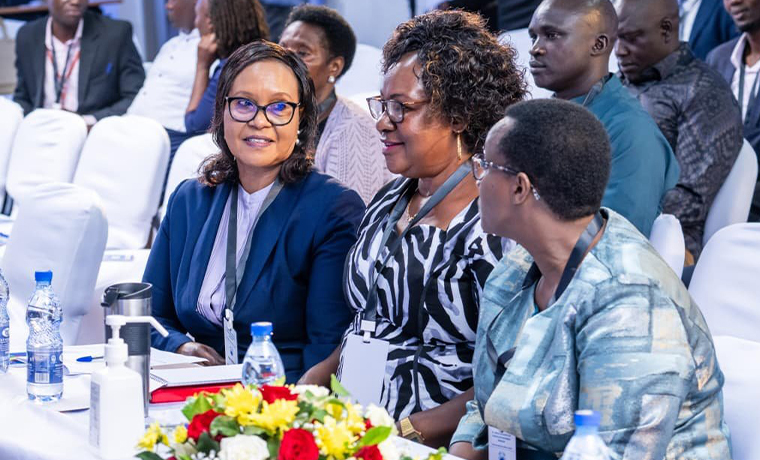
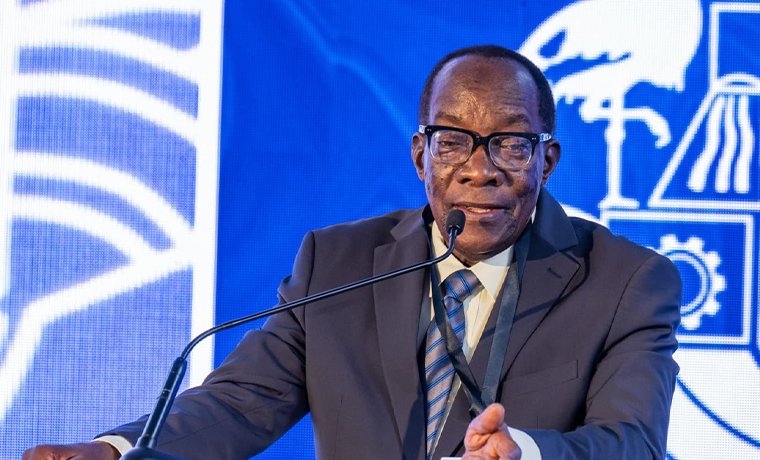
The remarks were made by the Managing Director of NWSC, Dr Eng Silver Mugisha, during a stakeholder engagement meeting with local leaders and technical officials, where he provided a detailed explanation of the corporation’s ongoing efforts to address non-revenue water, currently estimated at 34 percent.
Dr Mugisha said the corporation has reached what he described as a “critical point” in reducing losses under the current metering system, arguing that structural and behavioral factors are limiting further improvements despite ongoing interventions.

He pointed to illegal water connections as a major contributor to losses, noting that the utility continues to rely on enforcement and collaboration with security agencies to address theft of water. However, he emphasized that technical factors within the consumption measurement system are also playing a significant role.

A key issue raised was the widespread use of overhead water storage tanks in households and institutions. According to Dr Mugisha, these systems alter water flow patterns in ways that conventional meters may not fully capture, particularly during low-pressure or intermittent usage periods. He suggested that this creates a form of systemic measurement loss that is not related to physical leakage or theft.
He further highlighted what the corporation refers to as “meter separation” in multi-unit buildings, where individual units are fitted with separate meters. He argued that while this practice improves billing segmentation, it may also introduce cumulative measurement variations that contribute to overall system losses.
Dr Mugisha noted that NWSC is currently conducting internal research to better understand the extent of these losses, with a focus on real-world conditions in Ugandan urban settings. He said the corporation has established a dedicated research function to assess how infrastructure configurations such as overhead tanks and multiple metering points affect accuracy.

Preliminary internal findings presented during the engagement suggest that these combined factors could account for between 10 and 15 percent of total non-revenue water. However, he stressed that the findings remain subject to further validation and stakeholder consultation.
As part of the emerging policy direction, Dr Mugisha indicated that NWSC is exploring the introduction of prepaid water metering systems, which would allow customers to pay for water in advance while enabling the utility to better manage consumption data and reduce post-use billing discrepancies.
He said the proposed system could also support the introduction of a loss adjustment mechanism once the research is concluded, allowing the utility to account more transparently for verified technical losses within the system. However, he emphasized that no final decision has been made and that consultations will continue with government, regulators, and local leaders.
Dr Mugisha also used the engagement to raise concern over vandalism of water infrastructure, including damage to pipelines and theft of fittings in several service areas. He warned that such incidents continue to undermine service delivery and increase maintenance costs.
He called for stronger collaboration between NWSC, local governments, and security agencies to protect public water infrastructure, adding that enforcement against illegal connections must be supported rather than resisted at community level.
The Managing Director further acknowledged the role of local leaders in facilitating infrastructure development projects, citing instances where cooperation in land access and approvals has enabled timely implementation of pipeline works. He described such collaboration as critical to expanding water access nationwide.
While reaffirming NWSC’s commitment to expanding access to safe water, Dr Mugisha stressed that addressing non-revenue water will require a combination of technological innovation, regulatory support, and community engagement.
He concluded that the transition toward prepaid metering and enhanced research into system losses forms part of a broader reform agenda aimed at improving efficiency, transparency, and financial sustainability in Uganda’s water supply system. (For comments on this story, get back to us on 0705579994 [WhatsApp line], 0779411734 & 041 4674611 or email us at mulengeranews@gmail.com).