








By Mulengera Reporters
The National Water and Sewerage Corporation (NWSC) has reported significant growth in service coverage, infrastructure, and financial performance over the past five years, as it reviewed its achievements during the 2020–2025 strategic period.
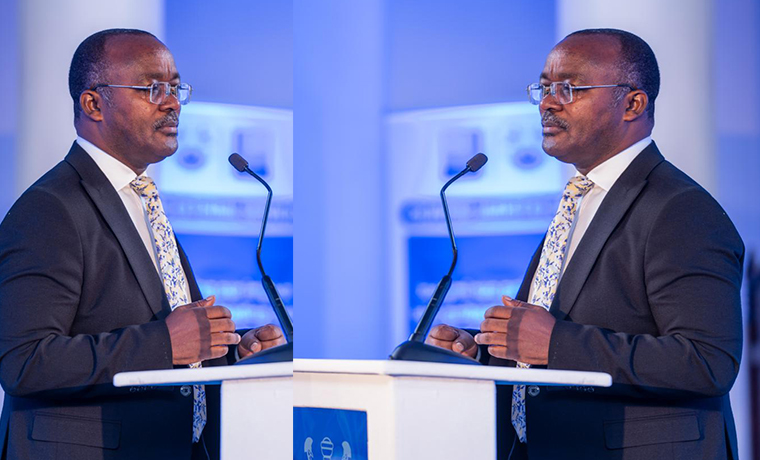
Presenting the performance overview, Anna Abe from NWSC Corporate Strategy and Planning Department, said the corporation had expanded its footprint from 258 urban centers in 2020 to 287 by June 2025, reflecting steady progress in extending water services to more towns across the country.
During the same period, the number of customers served increased from 724,000 to over one million connections. This expansion translated into a rise in the population served from 15 million to 20 million people, marking a substantial increase in access to safe water.

Financially, the corporation recorded strong growth, with annual turnover rising from 385 billion shillings to 649 billion. Its asset base also expanded significantly, growing from 3.5 trillion to 4.8 trillion shillings, driven by continued investments in infrastructure and system upgrades.

Operational indicators showed mixed but generally positive trends. NWSC managed to reduce water losses slightly, achieving a one-percentage-point drop in non-revenue water. Customer satisfaction remained stable at around 80 percent throughout the period, suggesting consistent service delivery despite growing demand.
Internally, the corporation reported notable improvements in staff engagement, with its staff engagement index rising sharply from 50 percent to 82 percent. This increase was attributed to ongoing efforts to strengthen workforce productivity and institutional capacity.
However, the performance period was not without challenges. Rapid urbanization and population growth placed increasing pressure on existing infrastructure, often outpacing expansion efforts. Climate change also emerged as a major concern, affecting water sources through drying boreholes, reduced yields, and flooding incidents that damaged infrastructure in some areas.

The corporation also faced persistent issues related to aging infrastructure, including pipe bursts and leakages, which contributed to water losses and service disruptions. Illegal water connections and faulty metering further compounded the challenge of non-revenue water.
Despite these constraints, NWSC identified several opportunities that supported its growth. Strong alignment with national development priorities ensured continued government support, while rising demand for water—both for domestic use and industrial development—created room for expansion.
Technological advancements also played a role, with the adoption of digital systems and innovations helping to improve efficiency in operations and service delivery. In addition, partnerships with local governments, development partners, and other stakeholders were highlighted as critical in implementing projects and mobilizing resources.
Looking back at the 2020–2025 period, the corporation emphasized that collaboration with stakeholders at all levels was key to its achievements. Local leaders, in particular, were recognized for their role in planning, mobilization, and monitoring of water projects within their jurisdictions.
The review sets the stage for the next phase of growth under the 2025–2030 strategic plan, as the corporation seeks to build on its progress while addressing persistent gaps in infrastructure, financing, and service delivery. (For comments on this story, get back to us on 0705579994 [WhatsApp line], 0779411734 & 041 4674611 or email us at mulengeranews@gmail.com).