








By Ben Musanje
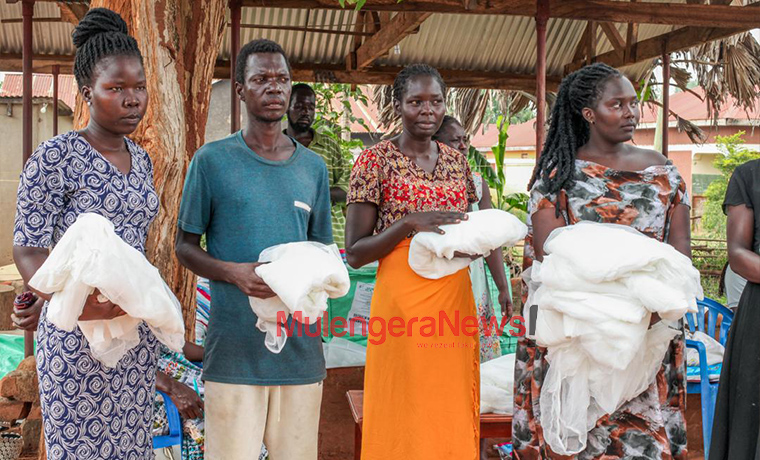
Uganda’s government has completed a sweeping three-day campaign to protect millions of vulnerable citizens from malaria, delivering more than 4.8 million long-lasting insecticide-treated mosquito nets to high-risk districts across the country.
The distribution, carried out from April 13 to April 15, marks the successful conclusion of Wave Two of the Ministry of Health’s 5th Universal Coverage Campaign—an ambitious national effort aimed at reducing malaria-related illness and deaths while pushing protection coverage beyond 80 percent.
In total, 4,816,200 mosquito nets were handed out across 32 districts, reaching an estimated 8,382,779 people. The districts included Agago, Amuru, Gulu, Gulu City, Kitgum, Lamwo, Nwoya, Omoro, Pader, Mayuge, Amuria, Bukedea, Kaberamaido, Kalaki, Kapelebyong, Katakwi, Kumi, Ngora, Serere, Soroti, Soroti City, Bududa, Bukwo, Bulambuli, Busia, Kapchorwa, Kween, Luuka, Manafwa, Namayingo, Namisindwa, and Sironko.

For families in these regions many of whom face daily exposure to malaria-carrying mosquitoes, the nets represent a critical layer of protection. In districts like Mayuge alone, over 356,100 nets were distributed, targeting more than 634,000 people, while Busia received 261,600 nets to protect nearly 450,000 residents. Northern districts such as Agago (185,200 nets), Amuru (154,100), Kitgum (144,100), Lamwo (184,800), and Pader (144,500) also saw significant coverage, reflecting the government’s focus on high-burden areas.

Other districts benefited on a similarly large scale: Gulu and Gulu City together received nearly 240,000 nets, while eastern districts such as Kumi (178,700), Serere (219,000), Soroti (163,750), and Ngora (126,900) collectively covered over a million people. Mountain and border districts including Bududa (160,600 nets), Bulambuli (145,900), Bukwo (73,200), and Kapchorwa (81,300) were also reached, alongside Namayingo (169,650), Namisindwa (157,150), and Sironko (182,350).
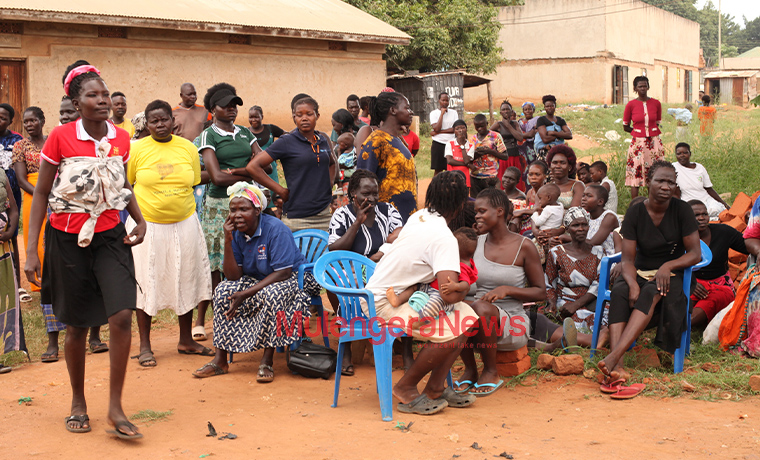
The campaign followed intense groundwork that began on April 6, including training of district and sub-county teams, verification of supplies from National Medical Stores, and widespread community sensitization led by Community Health Extension Workers, Village Health Teams, and local leaders. Household registration ensured targeted distribution, minimizing gaps in coverage.
This latest phase builds on the success of Wave One completed in January, which covered 20 high-burden districts. Overall, the government plans to distribute 25.8 million mosquito nets across 130 districts, excluding those already benefiting from Indoor Residual Spraying programs. The campaign is being executed in five waves to maximize efficiency and reach.

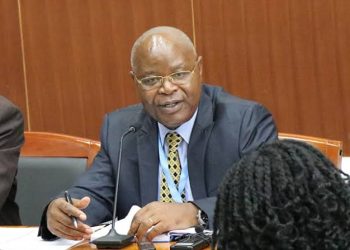
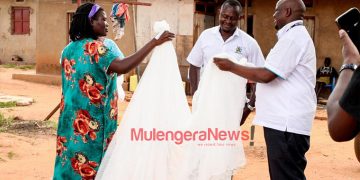
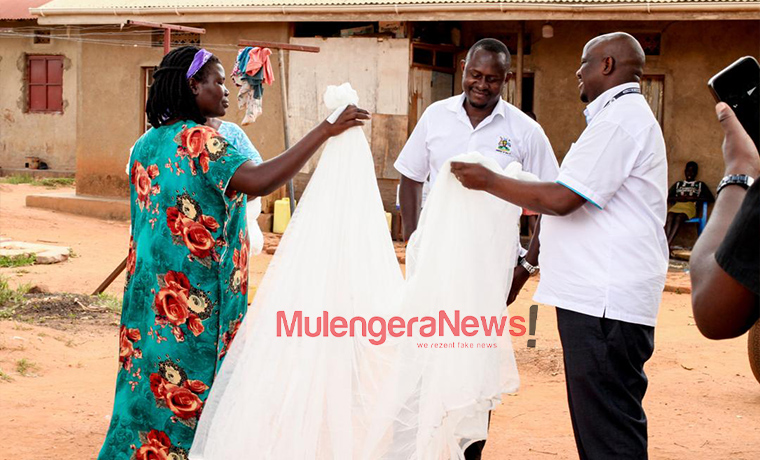
Prof Charles Olaro, Director General health Services Ministry of Health is now urging recipients to use the nets correctly, airing them for 24 hours before use and sleeping under them every night to ensure maximum protection. He has also warned against misuse of the nets for activities such as fishing, fencing, or gardening.
As Uganda pushes forward with its Malaria Elimination Strategy for 2025–2030, the completion of Wave Two signals more than just numbers delivered—it reflects a continued government effort to stand between its most vulnerable citizens and a disease that has long claimed lives. For millions of households, the arrival of a mosquito net this week may well mark the difference between sickness and safety. (For comments on this story, get back to us on 0705579994 [WhatsApp line], 0779411734 & 041 4674611 or email us at mulengeranews@gmail.com).