








By Ben Musanje
The Ministry of Finance, Planning and Economic Development has directed the Uganda Bureau of Statistics (UBOS) to prioritize the development of a national productivity survey, as government seeks to better understand and improve the efficiency of the country’s labour force.
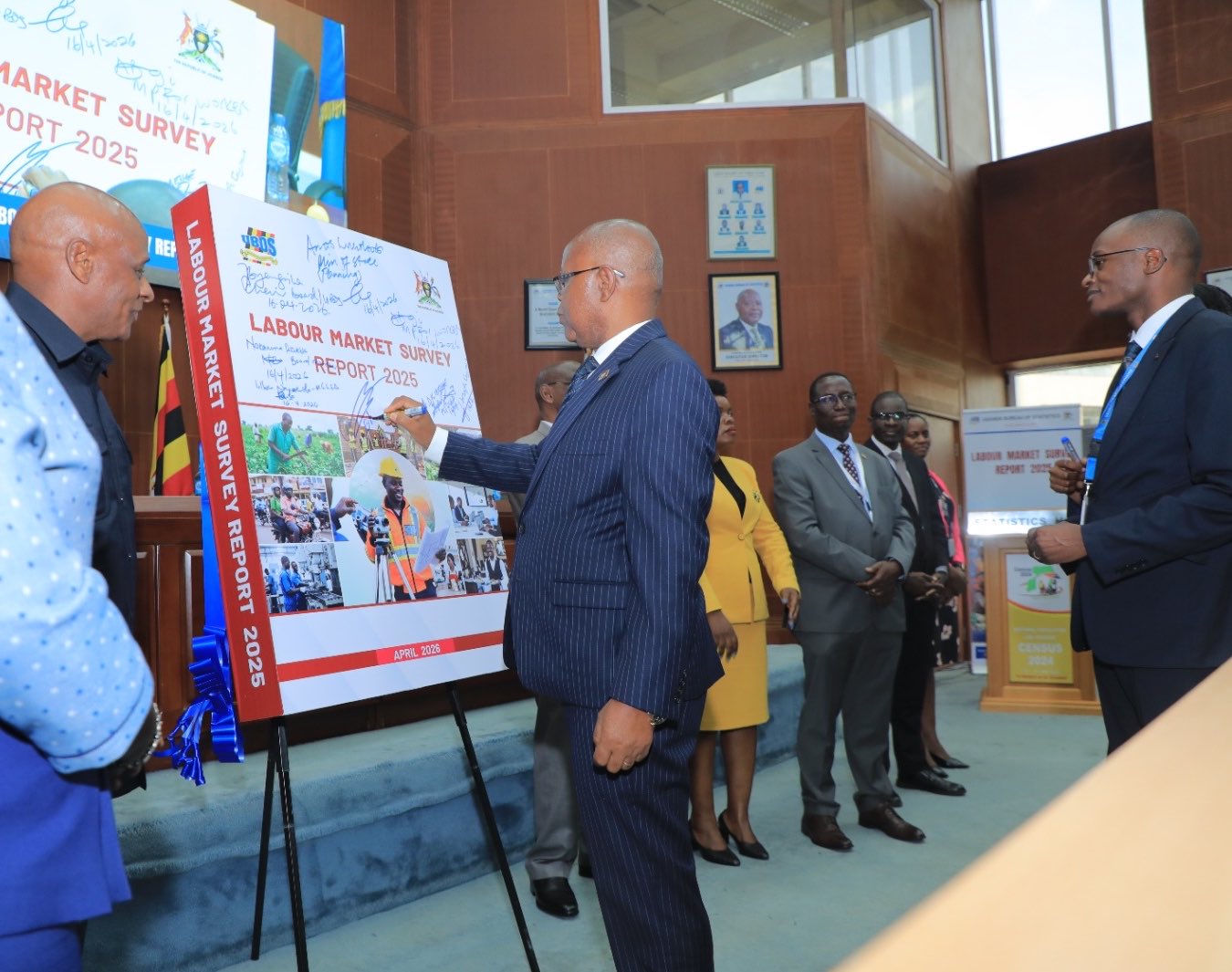
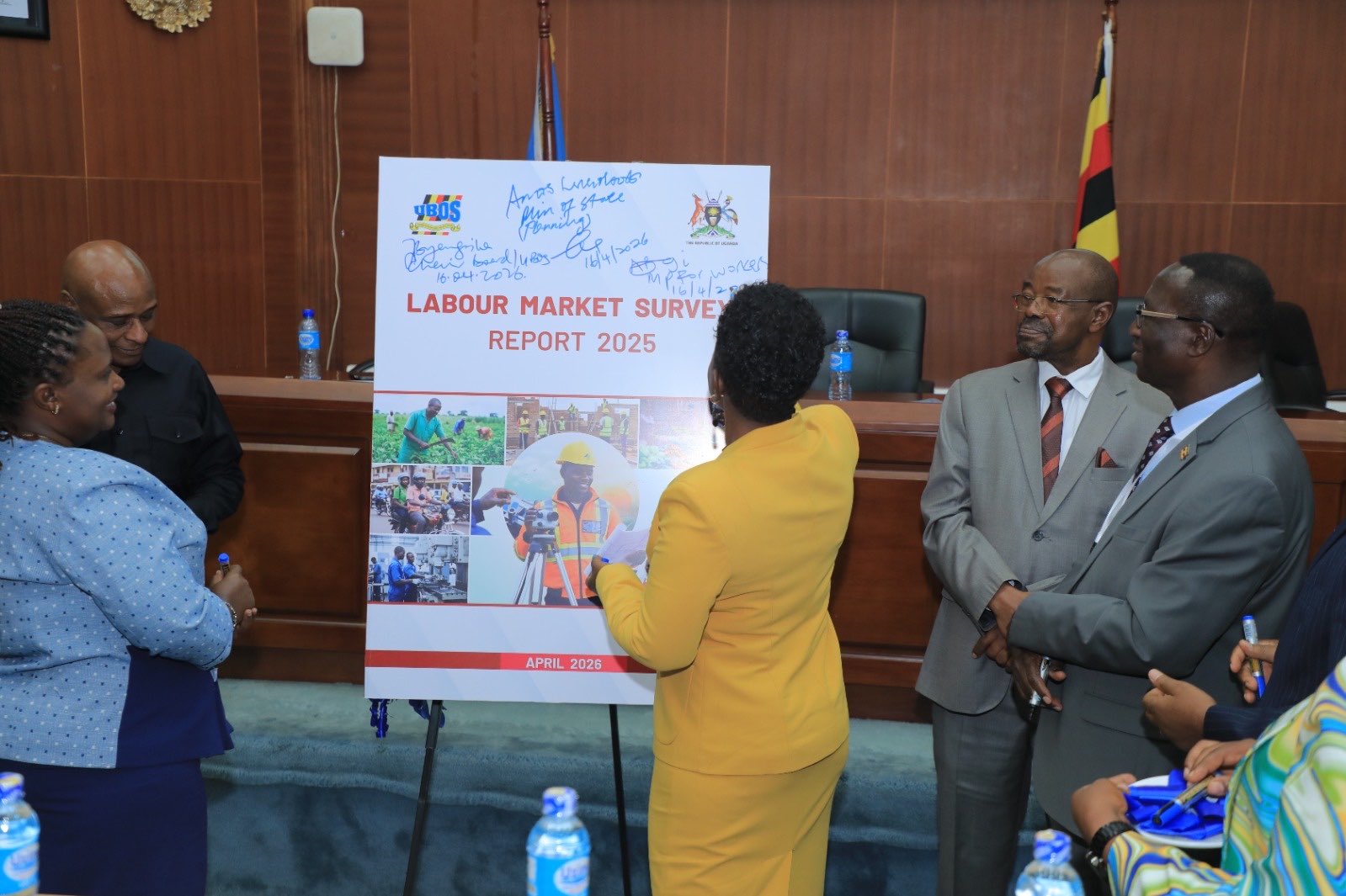
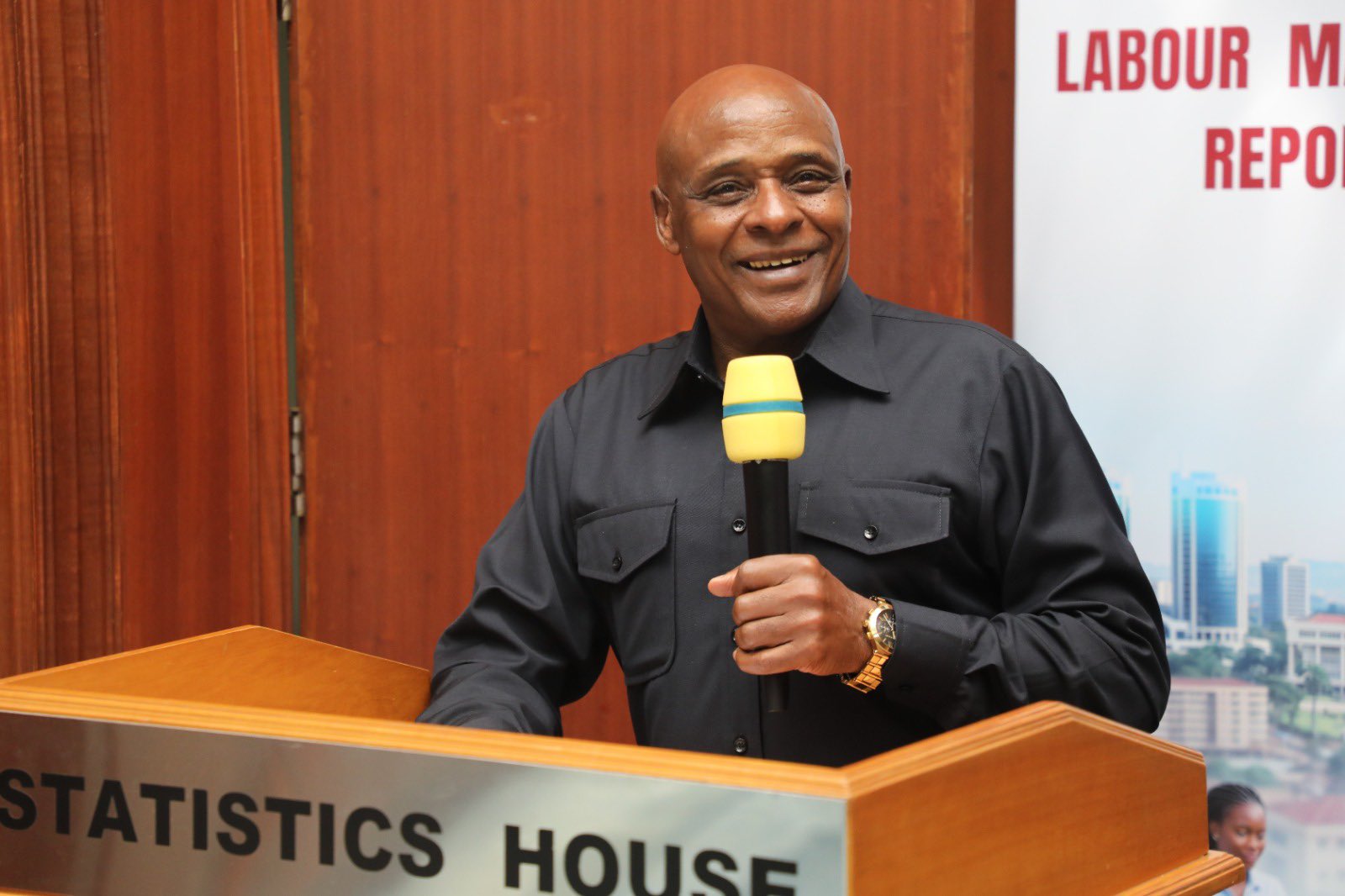
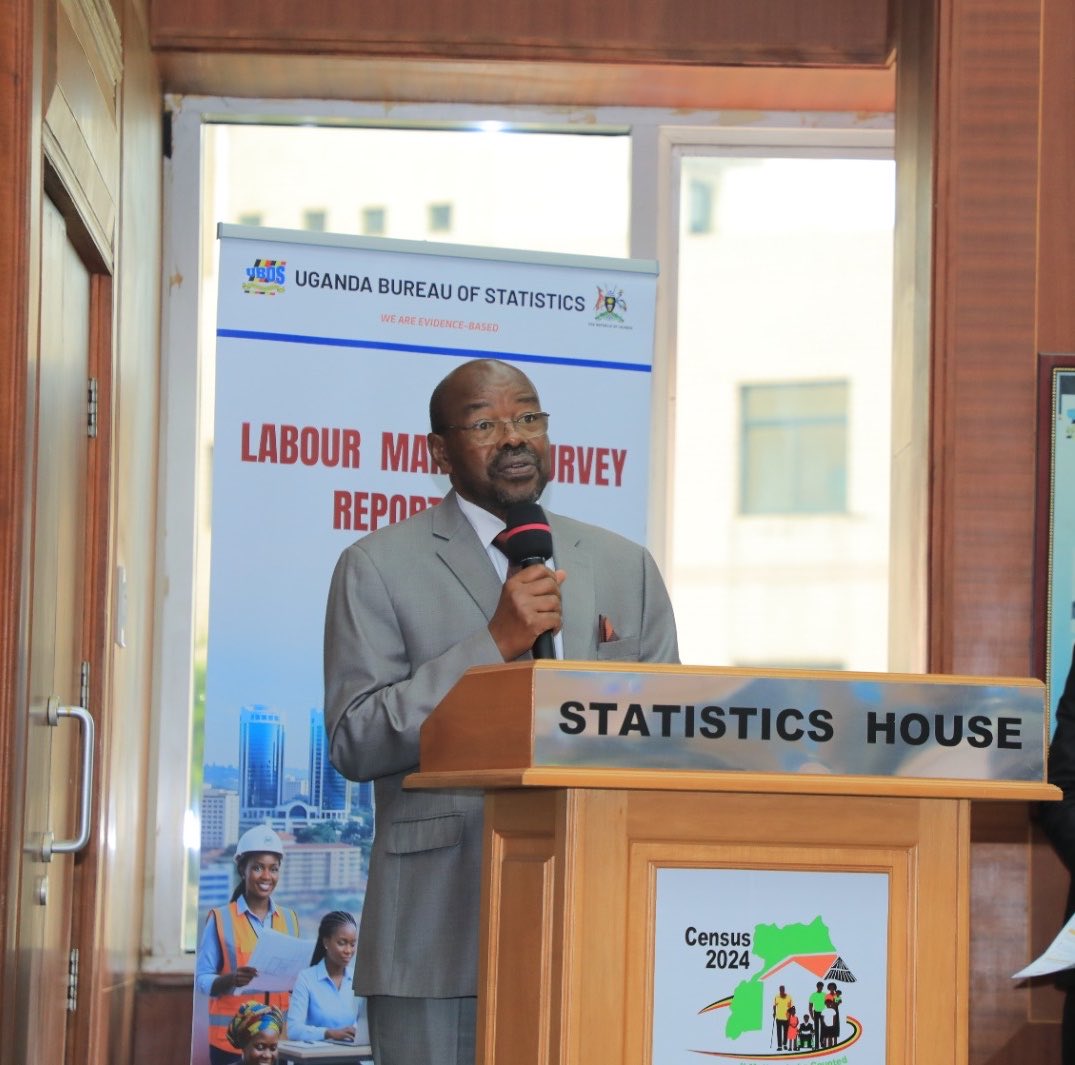
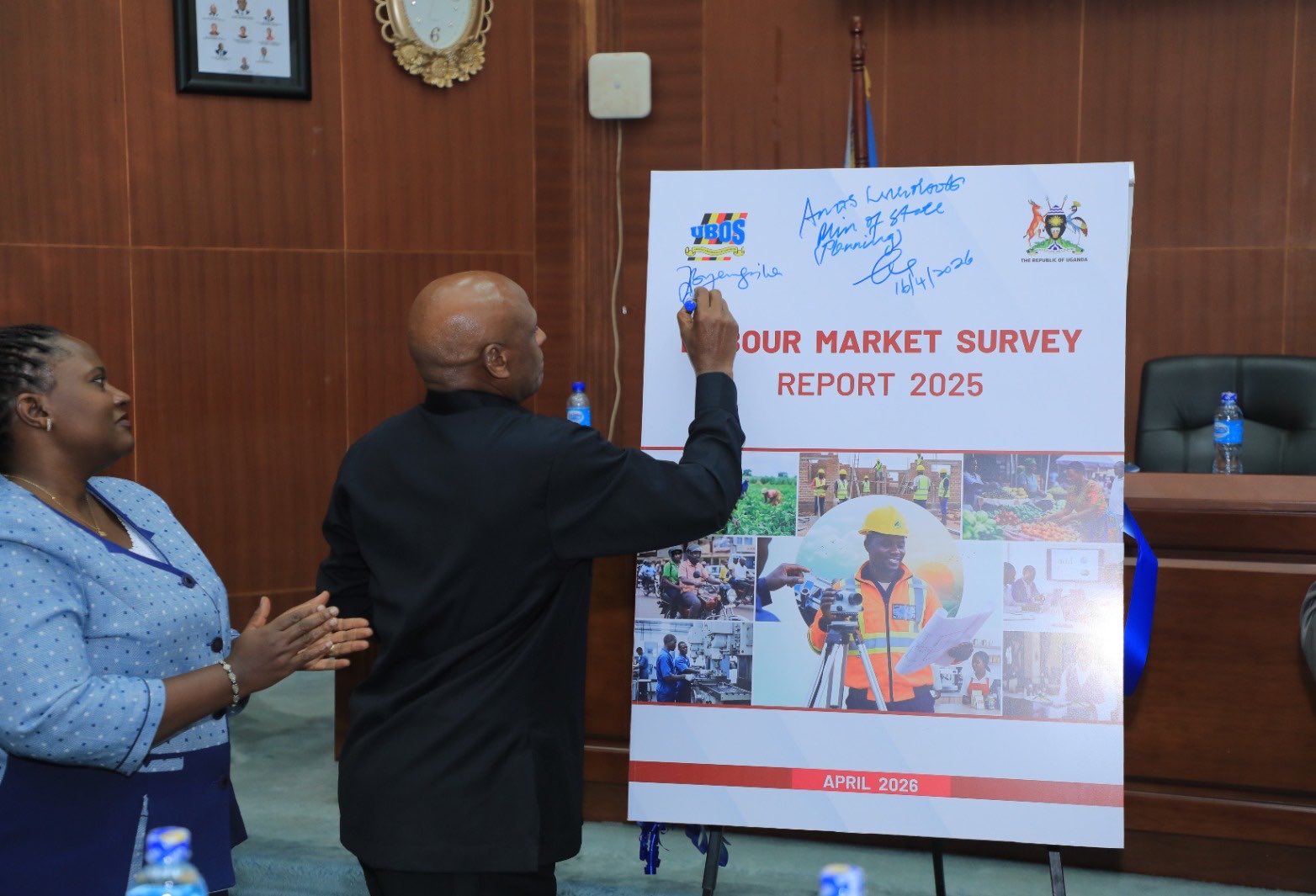
Speaking at the launch of the 2025 Labour Market Survey at Statistics House in Kampala on Thursday, the State Minister for Finance and Planning, Amos Lugoloobi, said Uganda lacks sufficient data on labour productivity, which he described as a critical gap in economic planning.
Lugoloobi noted that while UBOS has made significant progress in providing timely and reliable statistics, the absence of a dedicated productivity index limits government’s ability to measure how efficiently labour contributes to output. He urged the bureau to incorporate productivity indicators in its upcoming surveys, emphasizing that such data would be essential in shaping policy and driving economic transformation.

He distinguished productivity from production, explaining that productivity measures output relative to labour costs and efficiency rather than sheer volume of goods produced. According to the minister, improving productivity requires a deeper assessment of workforce skills, training levels, and work practices across sectors.

Lugoloobi pointed out that Uganda’s labour productivity remains low, partly due to skills gaps. He stressed that without targeted interventions informed by data, the country risks maintaining a workforce that is active but not optimally productive. He cited examples from other countries to illustrate how better training and work methods can significantly increase output per worker.
The minister also linked productivity challenges to broader structural issues in the labour market, including the dominance of the informal sector. He noted that Uganda’s tax-to-GDP ratio remains low, hovering between 13 and 14 percent, largely because informal businesses are difficult to track and regulate. He said improving productivity and formalizing employment would enhance revenue collection and support national development.
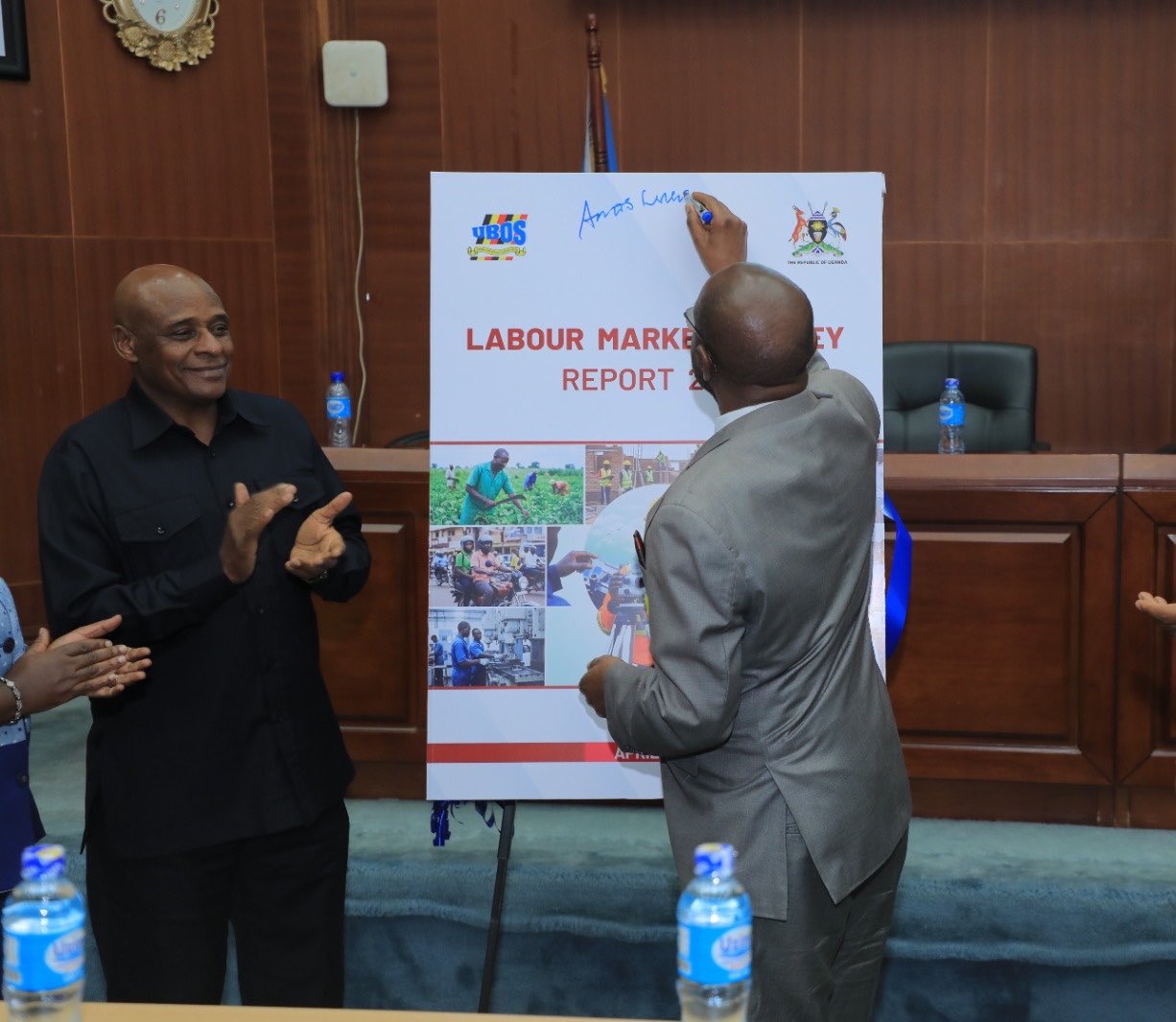
The 2025 Labour Market Survey, launched at the event, provides insights into labour supply and demand, sectoral employment distribution, and existing manpower gaps. Lugoloobi said the findings should guide policymakers in designing interventions to reduce unemployment and underemployment while boosting workforce efficiency.

He highlighted ongoing government programmes such as Operation Wealth Creation, the Parish Development Model, and youth skilling initiatives as efforts aimed at transitioning households from subsistence to the money economy. He said these programmes, if effectively implemented, could address underlying productivity constraints and reduce the size of the informal sector.
The Executive Director of UBOS, Chris Mukiza, said the bureau has prioritized labour market data as a key tool in addressing unemployment. He revealed that UBOS plans to release labour market statistics more frequently, potentially on a quarterly basis, to provide timely evidence for decision-making.
Mukiza said the revamped labour market survey marks a shift toward more regular and detailed reporting, similar to how inflation data is tracked. He added that this approach is intended to support evidence-based policymaking and ensure that government interventions are responsive to evolving labour market conditions.
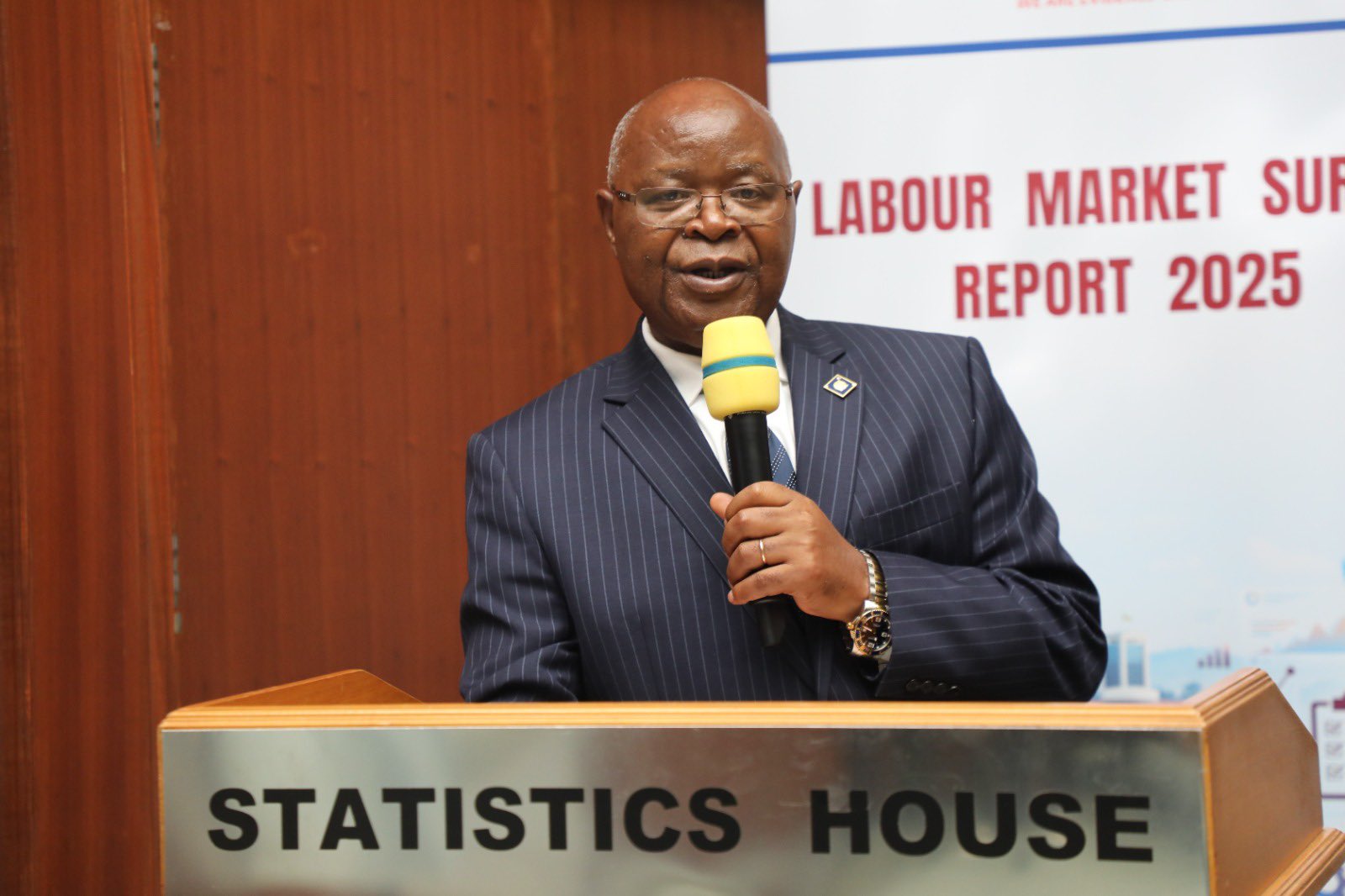
Meanwhile, the Permanent Secretary in the Ministry of Gender, Labour and Social Development, Aggrey Kibenge, commended UBOS for improving transparency through the publication of a statistical release calendar. He said this has strengthened accountability and ensured that stakeholders have predictable access to official data.
Kibenge reiterated that UBOS remains the authoritative source of national statistics and urged users to rely on its data when making decisions. He also encouraged stakeholders to study the labour market report closely to better understand employment trends and workforce dynamics.
The survey findings indicate persistent challenges, including a significant number of informal workers even within formal sector establishments, a situation Lugoloobi described as a “dual-layered workforce” that limits access to social protection and job security for many employees.
Despite these challenges, government officials expressed optimism that increased investment in industrial parks and skills development will gradually improve employment quality and productivity. Lugoloobi said expanding industrialization would create more formal jobs and absorb Uganda’s growing labour force.
He concluded by calling on all stakeholders to utilize the survey findings to design effective programmes that enhance productivity and drive inclusive economic growth, underscoring that a more productive workforce is central to achieving Uganda’s long-term development goals. (For comments on this story, get back to us on 0705579994 [WhatsApp line], 0779411734 & 041 4674611 or email us at mulengeranews@gmail.com).