






By Ben Musanje
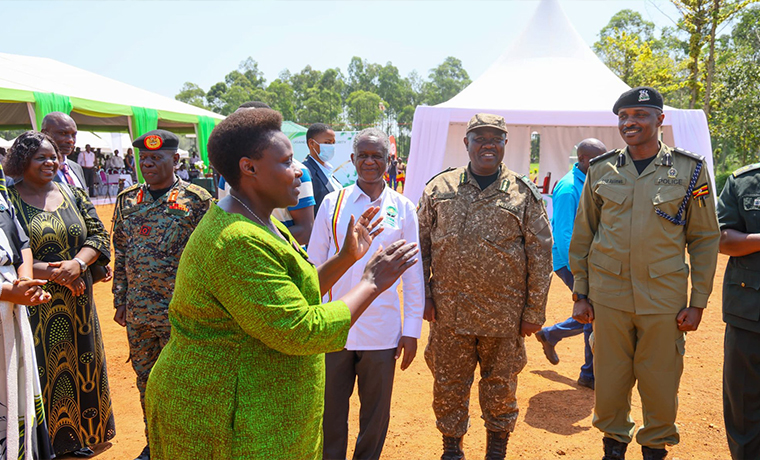
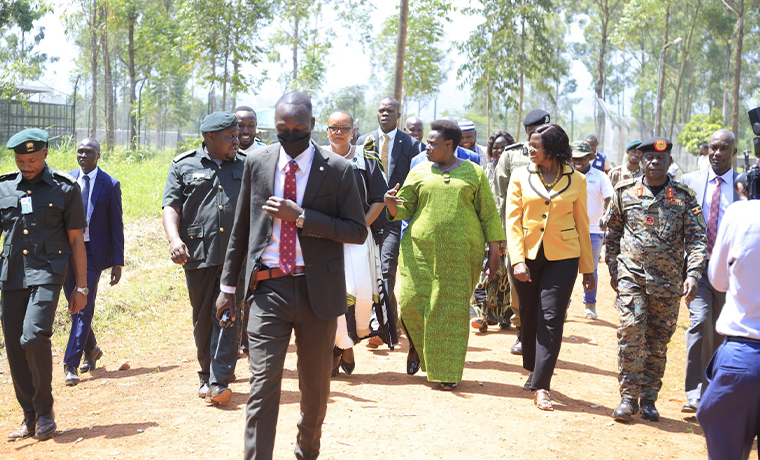
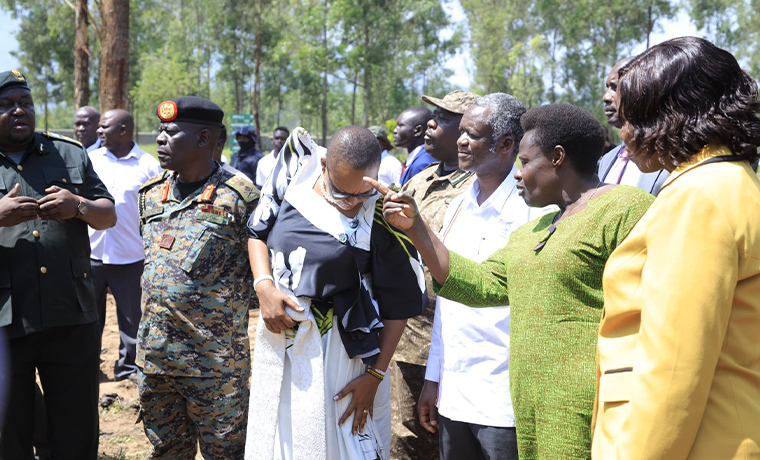
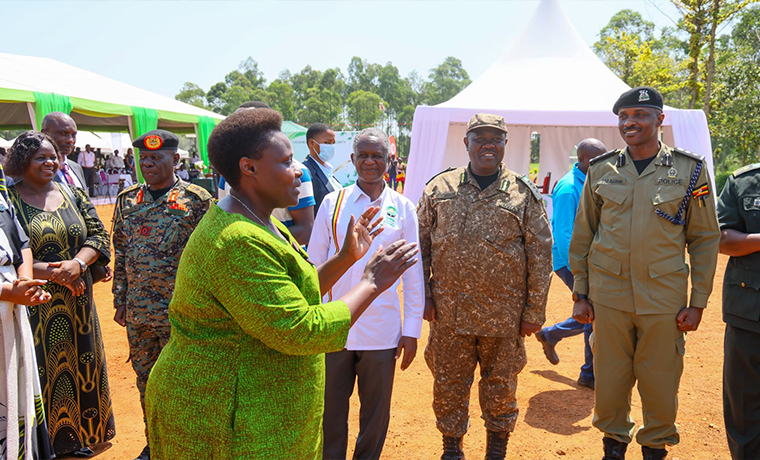
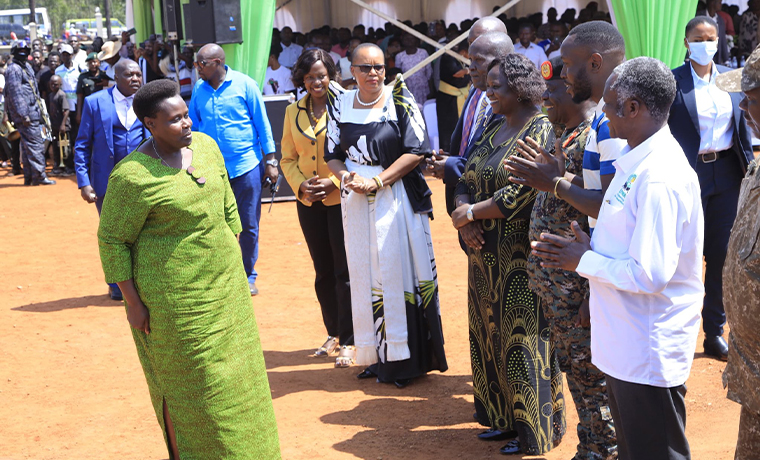
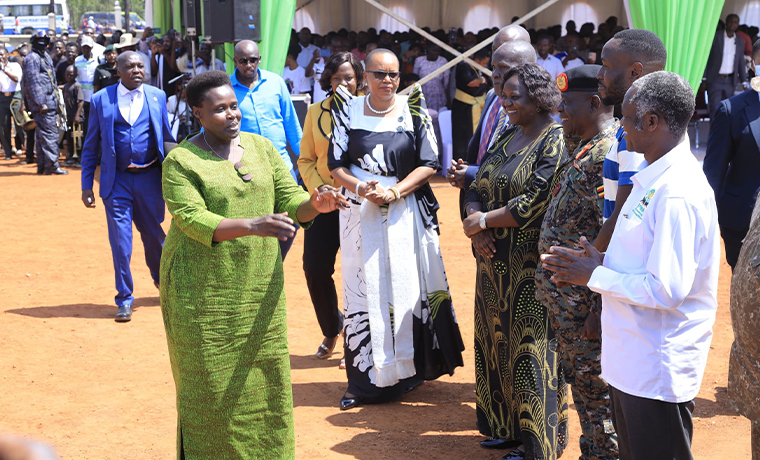
Vice President Jessica Alupo has officially launched the Mbale Satellite Wildlife Education Centre, a new facility established by the Uganda Wildlife Authority (UWA) to expand conservation education and bring wildlife experiences closer to communities in eastern Uganda.
The centre, located along the Mbale–Tororo Road, was commissioned on Friday under UWA’s Regional Wildlife Conservation Education Centres initiative, which seeks to decentralize conservation education and reduce dependence on the Entebbe Zoo as the country’s primary wildlife education facility.
Speaking at the launch, UWA Executive Director James Musinguzi described the centre as a major milestone in Uganda’s conservation journey. He said the facility represents a strategic step toward extending wildlife education services to communities outside central Uganda.

Musinguzi noted that while the Entebbe Zoo has served the country since 1952, the Mbale facility is only the second zoo established in Uganda and the first to be developed under UWA’s regional model. He emphasized that the centre will give children, students, and families an opportunity to interact with wildlife firsthand, helping to foster a deeper appreciation of conservation and environmental stewardship.

The facility has already received several animals transferred from the Entebbe Zoo, including lions, zebras, waterbucks, ostriches, and peacocks, offering visitors a unique wildlife learning experience closer to home.
Mbale Northern City Division Deputy Resident City Commissioner, Were Yahya, welcomed the project, saying it would spare schools and families in eastern Uganda the long journey to Entebbe for wildlife education programmes.
He added that the centre is expected to create employment opportunities for local residents while also providing internship placements for students pursuing studies in wildlife management, tourism, and environmental conservation.

The cultural leader of the Bagisu, Umukuuka Jude Mike Mudoma, thanked the government for establishing the facility in Mbale, describing it as a transformative national project that will strengthen conservation learning, scientific research, wildlife rescue, eco-tourism, and community recreation.
Mudoma also called for sustainable alternatives to the use of animal skins in cultural ceremonies. He suggested the production of realistic fabricated skins as a way of preserving cultural traditions while reducing demand for poached Colobus monkeys and other wildlife.
In her remarks, Vice President Alupo hailed the centre as a significant investment in conservation education and sustainable development. She said eastern Uganda’s rich cultural heritage and growing tourism potential make Mbale an ideal location for such a facility.
Alupo noted that beyond conservation awareness, the centre will support research, create jobs, and contribute to economic growth through tourism and related sectors. She urged communities to embrace wildlife conservation and take advantage of the educational and economic opportunities the facility presents.
The Mbale Satellite Wildlife Education Centre is expected to serve as a regional hub for conservation education, bringing wildlife closer to communities while promoting environmental awareness and sustainable development across eastern Uganda. (For comments on this story, get back to us on 0705579994 [WhatsApp line], 0779411734 & 041 4674611 or email us at mulengeranews@gmail.com).