







By Mulengera Reporters
Government officials, regional policymakers, development partners, civil society organizations and private sector representatives have called for stronger domestic resource mobilization, harmonized tax policies and greater public participation in economic governance to accelerate East African Community (EAC) integration.
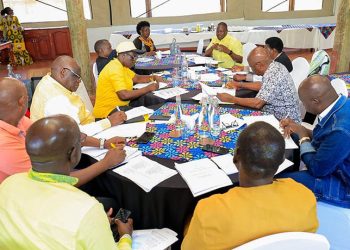
The calls were made during the 6th East African Community Post-Budget Dialogue for the Financial Year 2026/27, held at the Sheraton Hotel in Kampala last Friday.
The dialogue, organized through a partnership involving the Uganda Revenue Authority (URA), SEATINI Uganda, the Ministry of Finance, Planning and Economic Development, the Bank of Uganda and other institutions, focused on translating the region’s budget priorities into practical actions that promote sustainable economic growth and regional transformation.

Addressing participants, the Right Honourable First Deputy Prime Minister and Minister for East African Community Affairs Rebecca Kadaga commended the organizers and National Budget Month partners led by the Ministry of Finance, Planning and Economic Development for creating a platform to examine the implications of the regional budget and strengthen collaboration among key stakeholders.

The discussions came shortly after the tabling of the East African Community’s US$110.9 million budget for the 2026/27 financial year, which also marks the beginning of the Seventh EAC Development Strategy (2026/27–2030/31). The strategy is aimed at deepening regional integration while expanding economic opportunities across partner states.
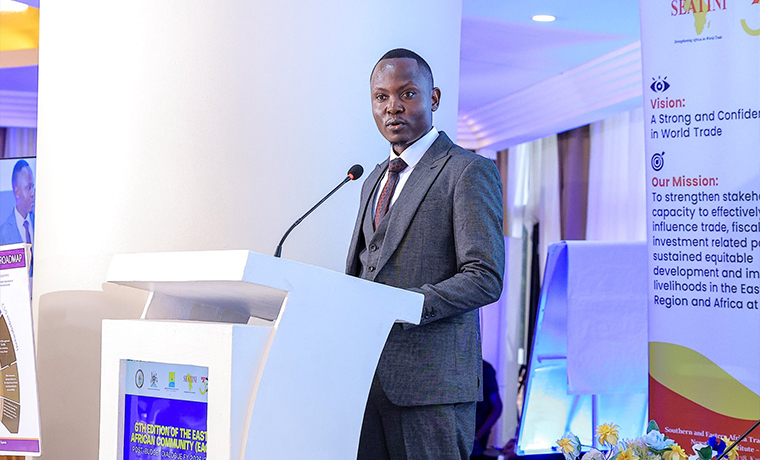
Representing SEATINI Uganda Executive Director Jane Nalunga, Deputy Executive Director Herbert Kafeero said the dialogue underscored a shared commitment to ensuring fiscal policies deliver tangible integration outcomes for East Africans.
“The budget priorities, ranging from institutional strengthening, trade and value chains, industrialization, infrastructure, social integration, monetary union, and peace and security, reflect the right ambition for the region,” Kafeero said.

Participants also highlighted domestic resource mobilization (DRM) as a critical pillar for reducing governments’ dependence on external borrowing and foreign aid.
Speaking during the dialogue, Ms. Basundhara Furlong Tripath, Deputy Head of Cooperation at the Embassy of Ireland in Uganda, said effective taxation remains one of the most reliable sources of government revenue and is fundamental to strengthening domestic resource mobilisation.
She said Ireland continues to support efforts to build tax administration capacity in developing countries, adding that meaningful stakeholder engagement has been central to the country’s success in improving tax systems.
“We are committed to strengthening the tax capacity in developing countries,” she said.
The discussion also explored the role of taxation in promoting equity and inclusive development.
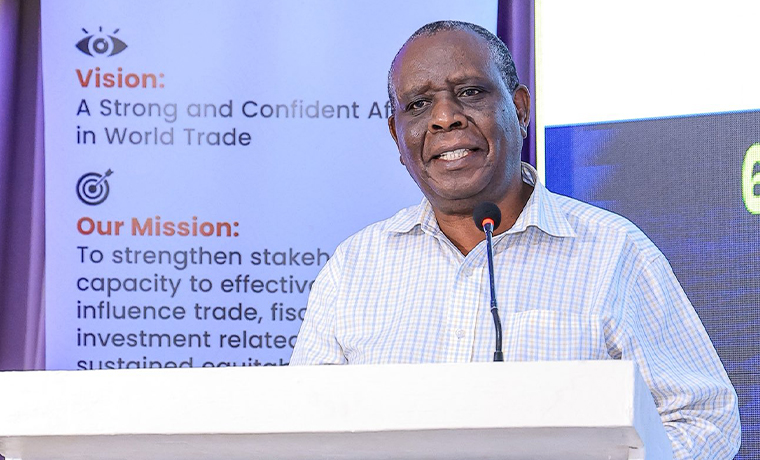
SEATINI Board of Trustees member Prof. Mwambutsya Ndebesa urged governments to view taxation beyond revenue collection, describing it as an important instrument for advancing social justice, national sovereignty and equitable development.
He called for greater attention to efficiency, effectiveness and fairness in resource mobilization across the region.
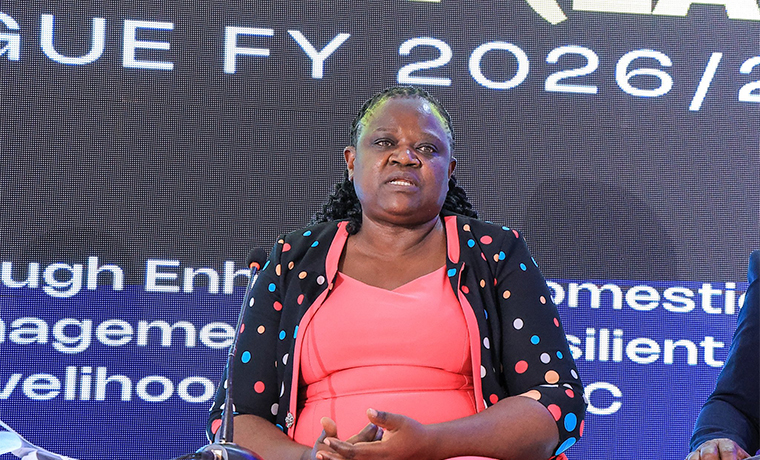
During a panel discussion on regional trade, Uganda Revenue Authority Supervisor for Tariffs Justine Mugabi pointed to persistent differences in tariff regimes among EAC partner states as a major obstacle to seamless trade.
Mugabi noted that while South Sudan remains a key market for Uganda’s agricultural exports such as tomatoes, Tanzania enjoys a comparative advantage in rice production. However, differing tariff rates and tax treatment of goods moving across borders continue to affect trade competitiveness and increase costs for consumers.
She called for harmonization of regional trade and tax frameworks to facilitate smoother cross-border commerce and strengthen the East African Common Market.
The dialogue attracted senior government officials, including the Permanent Secretary and Secretary to the Treasury, Members of the East African Legislative Assembly, representatives of the EAC Secretariat, development partners, civil society organizations, private sector leaders and the media.
The annual EAC Post-Budget Dialogue provides a platform for stakeholders to assess regional budget priorities, promote accountability and identify policy actions needed to support economic integration and sustainable development across the East African Community. (For comments on this story, get back to us on 0705579994 [WhatsApp line], 0779411734 & 041 4674611 or email us at mulengeranews@gmail.com).