





By Ben Musanje
Uganda’s electoral system is under fire as experts warn that costly, flawed academic verification rules are turning democracy into a game for the wealthy, leaving ordinary citizens struggling to compete.
The controversy has intensified ahead of the next election cycle, raising fears that only those with money can truly participate in national politics.
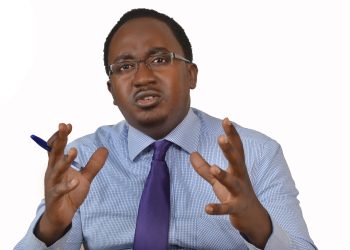
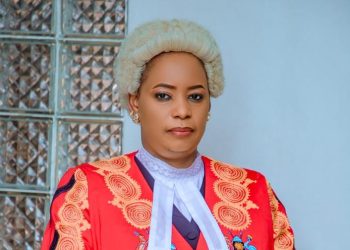
Charity Ahimbisibwe, Executive Director of the Citizens’ Coalition for Electoral Democracy in Uganda (CCEDU), has condemned the verification system as a major obstacle to political participation.
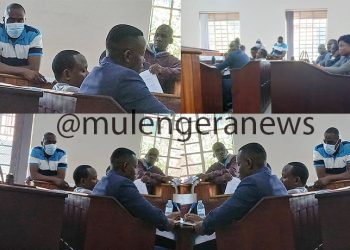
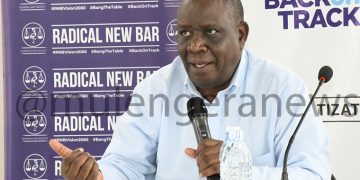
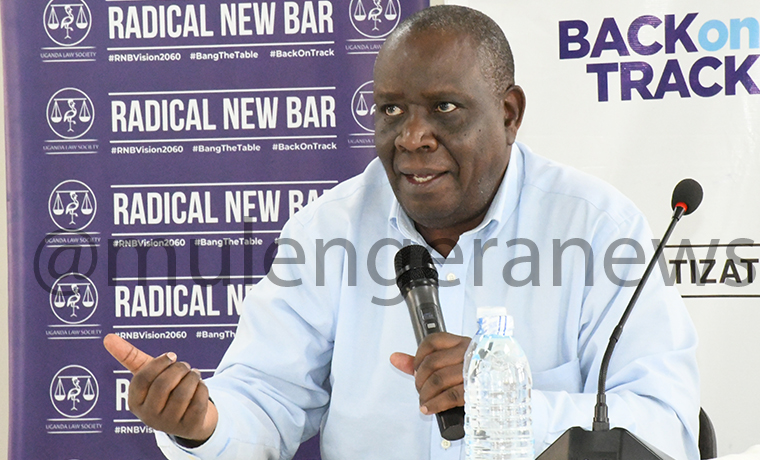
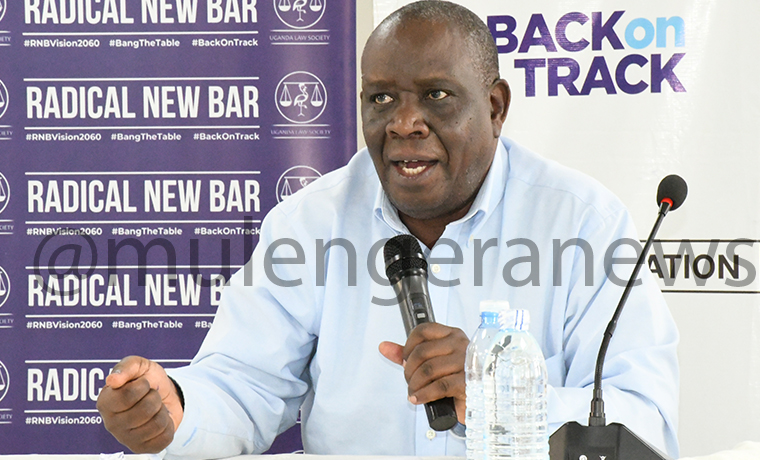
Speaking during the Radical New Bar (RNB) weekly engagement at the Uganda Law Society House in Kololo on Friday, she revealed that candidates must pay 300,000 shillings each to validate their O-Level and A-Level certificates, totalling 600,000 shillings before the already high nomination fees.

Ahimbisibwe warned that these financial demands force candidates to spend millions before even hitting the campaign trail, effectively shutting out ordinary Ugandans.
She also exposed systemic weaknesses in verifying foreign academic documents through the National Council for Higher Education (NCHE), noting that some short-term foreign qualifications fail to meet Ugandan standards.
Ahimbisibwe suggested that wealthier candidates are often able to bypass procedural hurdles, while less affluent aspirants face rejection or crippling delays.

She highlighted that more than 70 percent of verification petitions are returned just months before the nomination period, creating a last-minute scramble that leaves many disqualified or disadvantaged.
Ahimbisibwe urged the government to adopt efficient digital systems to reduce cost and corruption, stressing that democracy should not be a privilege for the rich.

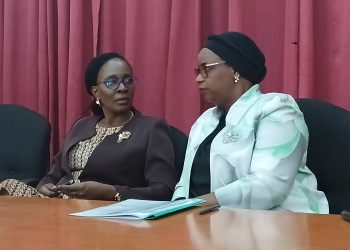
Supporting these concerns during the same engagement at ULS house, Makerere University lecturer and political analyst Mwambutsya Ndebesa accused Uganda’s top electoral bodies including UNEB, NCHE, and the Electoral Commission of failing to uphold neutrality and integrity.
Ndebesa argued that these “temples of integrity” have been paralysed by fear, with officials hesitant to confront errors or misconduct.
He cited inconsistencies in document verification and delays in politically sensitive court rulings, warning that such practices are eroding public trust and leaving the country vulnerable to democratic decline.
Meanwhile, Mawogola North Parliamentary candidate John Jet Tumwebaze who is a member of the Uganda Law Society (ULS) sounded the alarm over candidates with questionable academic credentials slipping through the cracks.
He criticized the reliance on letters of verification instead of actual certificates and called for legal reforms to punish academic fraud.
Advocate Tumwebaze highlighted that Uganda’s law requires candidates to have completed at least Primary 7, yet loopholes in the verification system allow some to circumvent the rules, undermining public confidence and fairness.
Together, these warnings paint a disturbing picture of an electoral system skewed in favour of wealth, privilege, and political manoeuvring.
Experts insist that urgent reforms ranging from digital verification to stricter accountability are needed to restore credibility.
Without them, Uganda risks turning elections into a playground for the wealthy, leaving ordinary citizens sidelined and the nation’s democratic foundations at risk of collapse. (For comments on this story, get back to us on 0705579994 [WhatsApp line], 0779411734 & 041 4674611 or email us at mulengeranews@gmail.com).