






By Ben Musanje
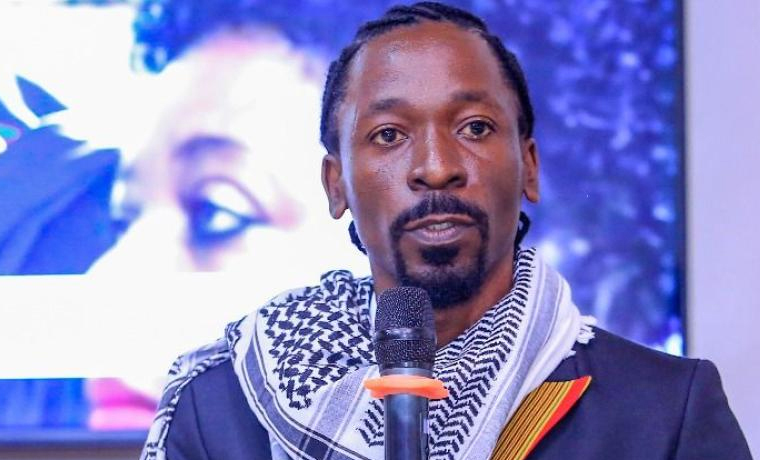
Uganda Law Society President Isaac K. Ssemakadde has accused the Inspectorate of Government (IGG) of violating constitutional principles by publicly parading six officials from the Department of Refugees before the media before investigations and judicial processes are completed.
The officials, including Refugees Commissioner Patrick Okello and Assistant Commissioner Douglas Asiimwe, were recently presented to the public by the anti-corruption agency in connection with ongoing investigations.


In a statement issued on Monday 8th June 2026, Ssemakadde described the move as a regrettable spectacle that undermines the rule of law and contradicts the Inspectorate’s constitutional and statutory mandate.
He argued that Article 225 of the Constitution and the Inspectorate of Government Act require the IGG to uphold the principles of natural justice and strict adherence to the rule of law rather than subject suspects to public condemnation before trial.

Ssemakadde maintained that public media exposés amount to the use of publicity as a form of extrajudicial punishment and warned that identifying suspects before charges are tested in court undermines the constitutional presumption of innocence.
According to him, such actions risk prejudicing future trials, contaminating evidence, and causing irreversible reputational damage to individuals who have not been convicted of any offence.
He further warned that public shaming campaigns can destroy careers, stigmatize families, and trigger mental health challenges long before courts determine guilt or innocence.
Ssemakadde said the Inspectorate risks eroding public trust and normalizing selective lawlessness when it pursues publicity-driven actions instead of following established legal procedures.
He also argued that the practice could discourage competent public servants from accepting sensitive assignments, particularly in refugee management, while placing undue pressure on courts and encouraging mob justice rather than genuine accountability.
The senior lawyer called on the IGG to abandon what he described as unconstitutional media theatrics and instead conduct investigations professionally, confidentially where necessary, and in full compliance with due process.
He maintained that arrests should only be made where legally justified and urged greater caution in public communications to avoid portraying suspects as guilty before trial.
Ssemakadde cited the High Court decision in Ojangole Patricia v Attorney General (HCMC No. 303 of 2013), noting that the court had cautioned against fighting corruption through methods that compromise the integrity of the justice process.
He however argued that Uganda needs institutions that genuinely uphold the rule of law and that the IGG should demonstrate leadership through adherence to legal principles rather than media-driven spectacles.