




By Ben Musanje
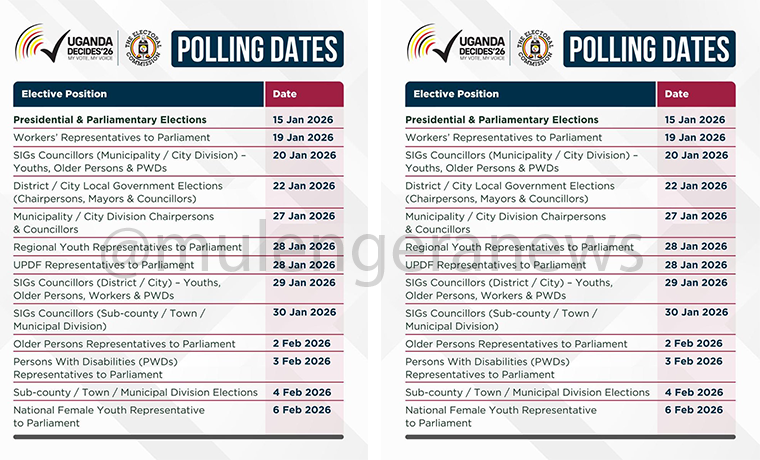
With just a month remaining to the 2026 general elections, the Uganda Human Rights Commission (UHRC) has unveiled a fully operational Human Rights Election Situation Room, marking a decisive escalation in oversight as the country enters the most sensitive phase of its electoral cycle.
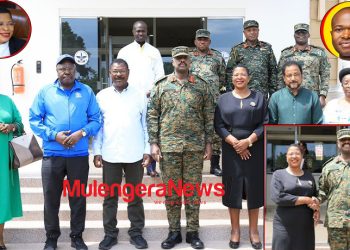
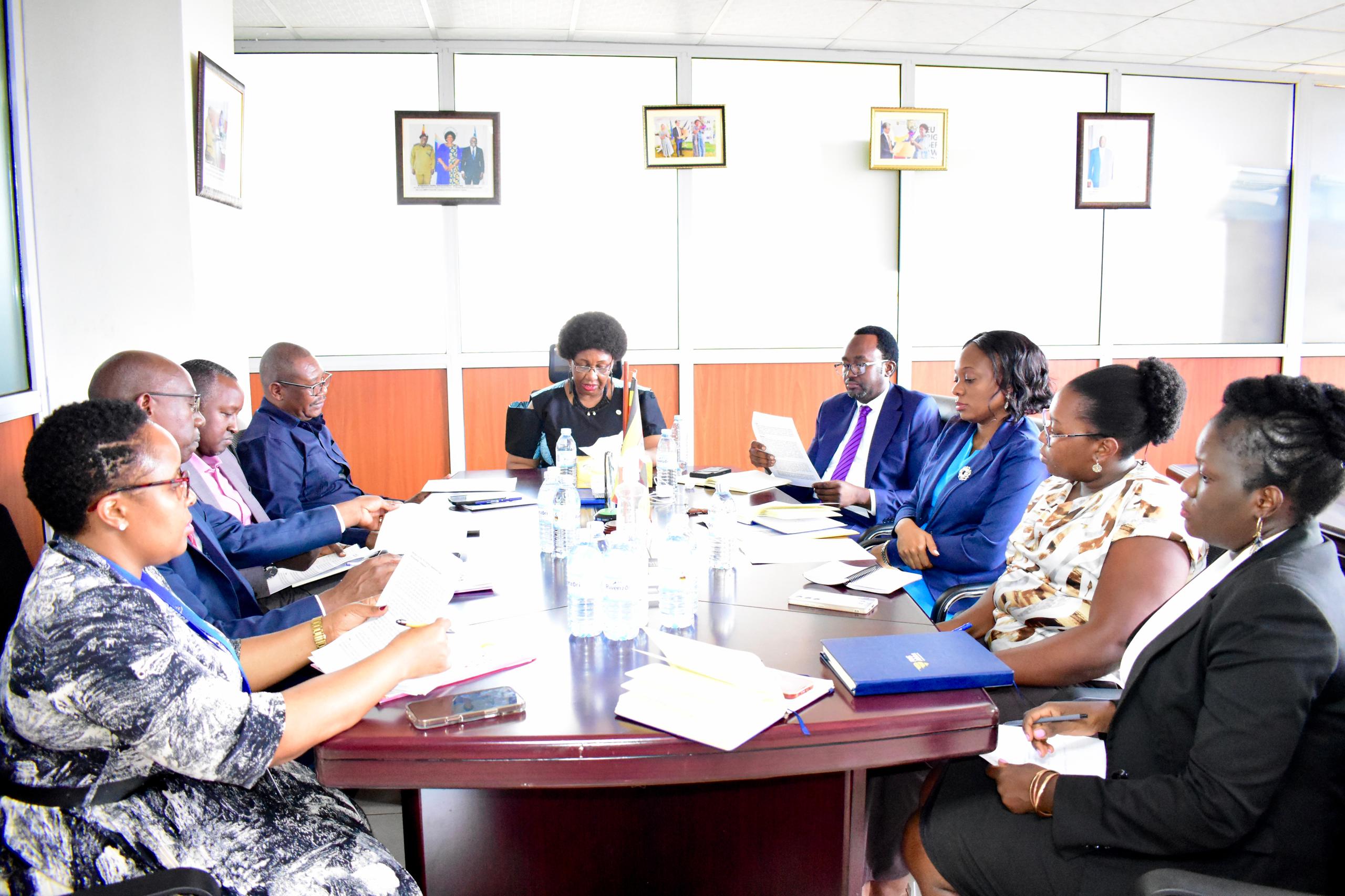
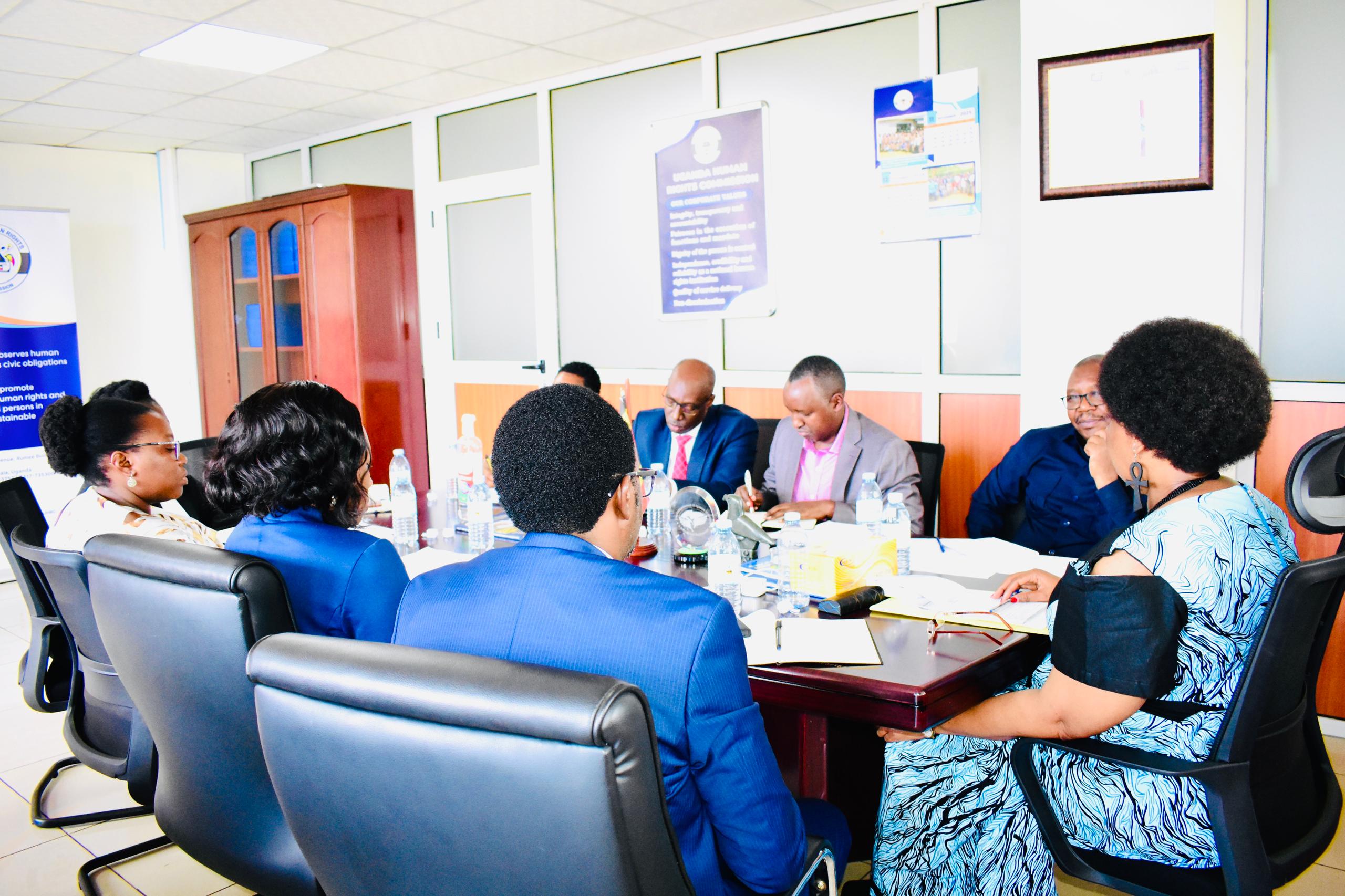
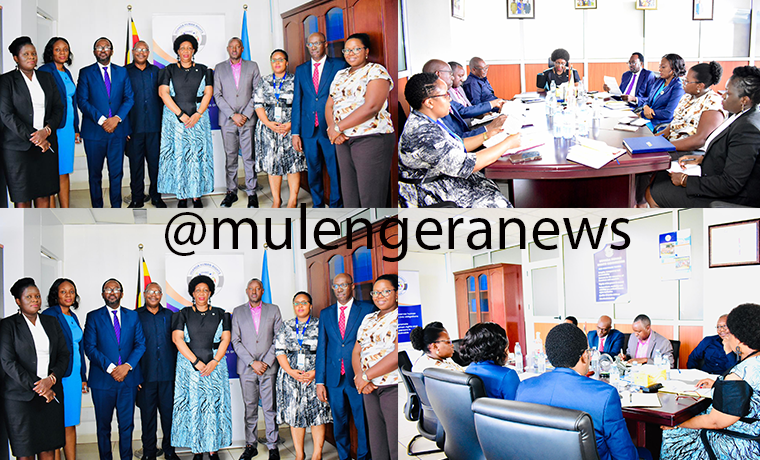
The announcement was made as the Commission hosted the East African Community (EAC) Pre-Election Assessment Team at its head offices along Lumumba Avenue in Kampala this week, turning the engagement into a high-stakes briefing on the state of Uganda’s political and human-rights landscape.

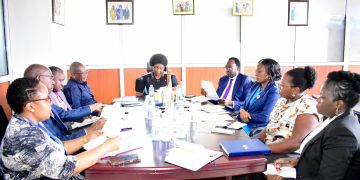
Addressing the regional delegation, UHRC Chairperson Hon. Mariam Wangadya disclosed that the Situation Room is already live and coordinating real-time monitoring from all UHRC regional offices.

She explained that the facility is receiving and analysing complaints from the public, tracking human-rights incidents, supporting rapid verification teams and generating periodic analytical briefs to inform timely intervention.
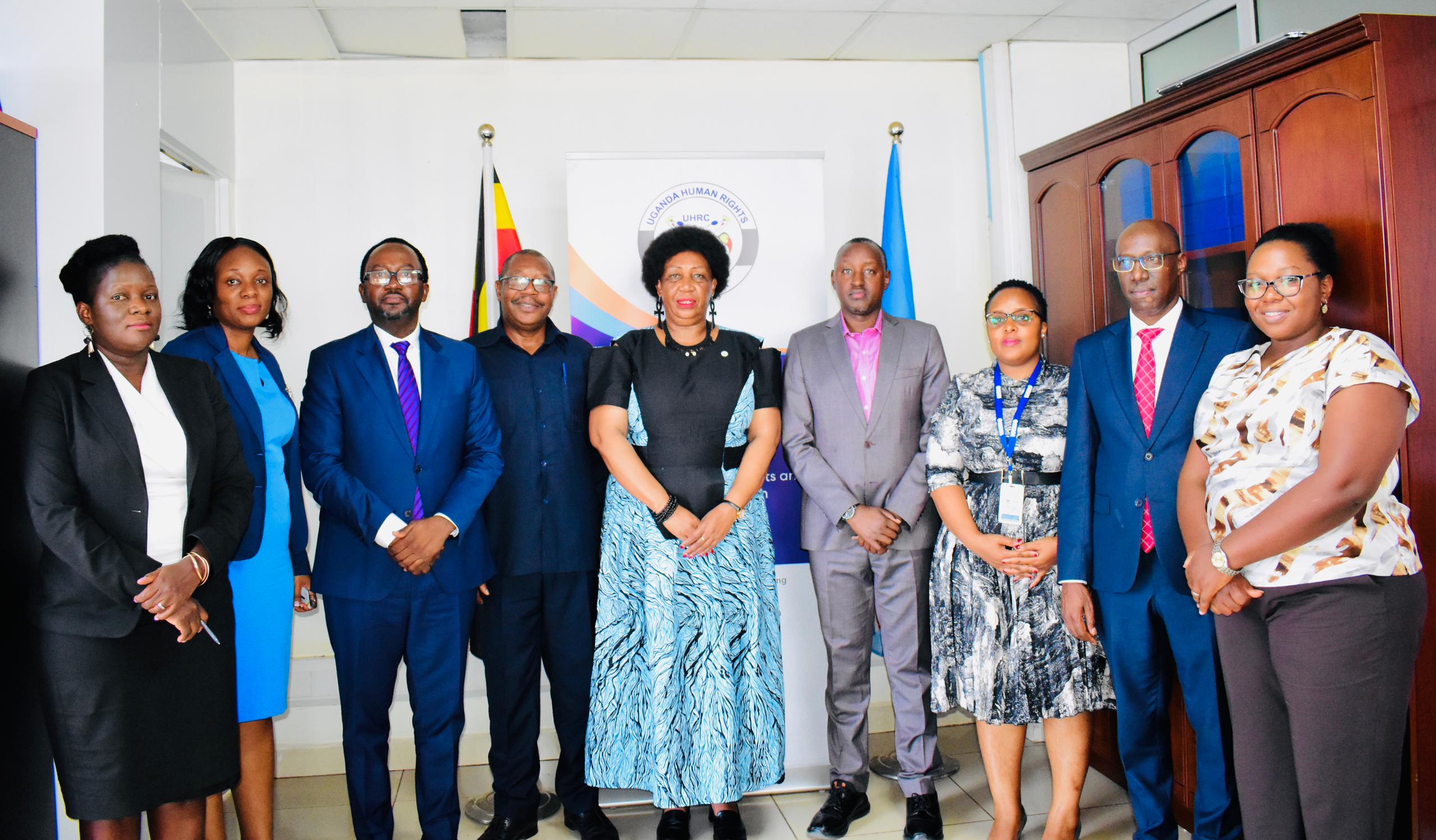
Seated alongside her were Hon. Crispin Kaheru, a Member of the Commission, Pauline Nansamba Mutumba, Action Director Monitoring and Inspections also Director Complaints, Investigation and Legal Services, Diana Akampereza Senior Human Rights Officer in the Directorate of Monitoring and Inspections and Doreen Nabatte Mukuyu, Personal Assistant to the Chairperson of the Commission, underscoring the Commission’s full institutional commitment.
The EAC team was informed that the activation of the Situation Room builds on 18 months of continuous election monitoring, which commenced following the release of the Electoral Commission’s electoral roadmap.
Wangadya noted that UHRC has undertaken a nationwide hotspot-mapping exercise to identify districts most vulnerable to election-related tensions, with the findings now guiding deployments, early-warning alerts and preventive engagement with national and regional institutions.
Security preparations featured prominently during the discussions. The Chairperson revealed that the Commission has been holding high-level, closed-door engagements with heads of security agencies across the country, focusing on legality, proportionality, crowd management and rights-based policing.
She further disclosed that just before presidential and parliamentary campaigns began, she convened the Inspector General of Police and the Chairperson of the Electoral Commission, where a shared understanding was reached on adopting a rights-respecting approach to policing the elections.
Wangadya also briefed the delegation on intensified engagement with a wide range of stakeholders, including the Uganda Communications Commission, the National Initiative for Civic Education in Uganda, UNICEF, political party leaders, civil society organisations, religious and traditional leaders, the media and youth groups.
These engagements, she said, were aimed at calling for calm and lawful conduct as campaigns reach their peak, highlighted by a recent joint national press appeal and a peace pledge signed during the International Human Rights Day commemorations.
Operationally, UHRC reported that its election readiness is nearing completion. Funds have been mobilised, procurement of vehicles and other logistical requirements is in its final stages, staff accreditation with the Electoral Commission is underway and training for internal observation teams, aligned to EAC, African Union and international standards has been concluded. Wangadya emphasised that the Commission’s command centre is ready and already functional.
As the Electoral Commission continues with ballot printing, recruitment and training of temporary staff and readiness checks for biometric voter verification kits, UHRC reiterated its constitutional mandate to provide independent oversight of the human-rights dimension of elections nationwide, including its quasi-judicial role in providing redress.
The Chairperson used the occasion to urge the East African Community to deploy its Election Observation Mission immediately rather than waiting until January 9, 2026, and to extend its stay beyond January 18.
She stressed that Uganda’s campaign period is the most volatile stage of the electoral process, shaping the overall trajectory of the elections, and that early, decentralised and sustained observation would strengthen credibility, deter abuse and reassure communities.
Members of the EAC Pre-Election Assessment Team welcomed the comprehensive briefing and expressed appreciation for the Commission’s preparedness and transparency. As the meeting concluded, the activation of the Human Rights Election Situation Room stood out as a clear signal that Uganda has entered the final stretch of a closely watched electoral season, with regional attention firmly fixed on how the process unfolds. (For comments on this story, get back to us on 0705579994 [WhatsApp line], 0779411734 & 041 4674611 or email us at mulengeranews@gmail.com).