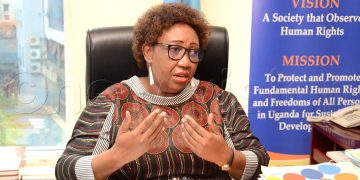






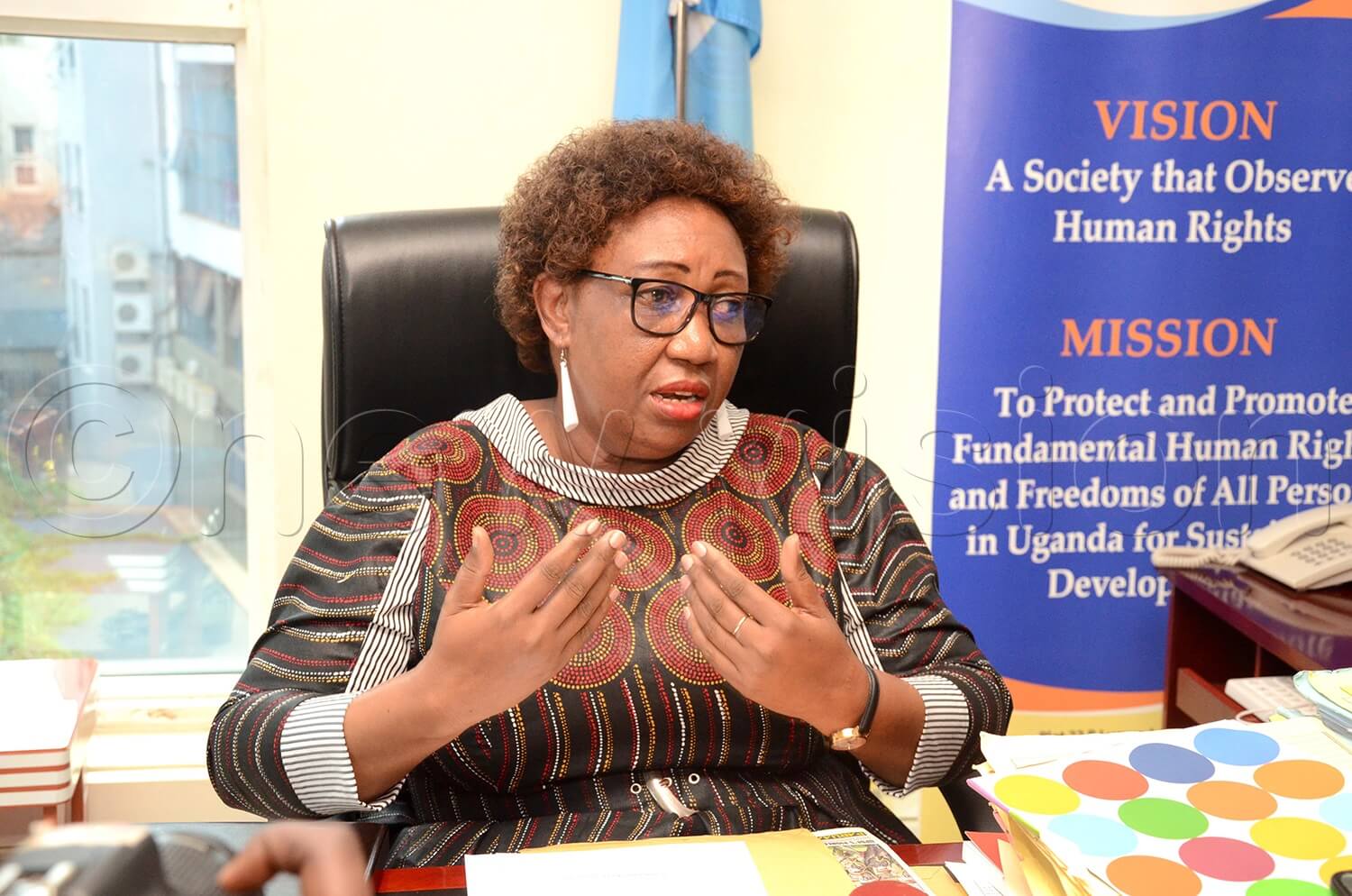
The Uganda Human Rights Commission (UHRC) has dispatched a team of officials to investigate reports that the National Unity Platform (NUP) leader Robert Kyagulanyi, popularly known as Bobi Wine, is under house arrest. UHRC Chairperson Mariam Wangadya confirmed that the team is awaiting access to Kyagulanyi and will provide a detailed report once their interaction is complete.
“I have sent a team from our office to go and have an interaction with His Excellency Bobby Wine, as he fondly used to call himself. We hope they will have access to him and that he too will agree to speak to them,” Wangadya told reporters.
The move comes amid conflicting reports about Kyagulanyi’s status. His party claimed that security forces forcibly removed him from his residence on Friday using a military helicopter, raising concerns over potential human rights violations. The party described the action as an unjust restriction on his freedom and demanded immediate clarification from authorities.
However, the Uganda Police Force through its Spokesperson ACP Kituuma Rusoke denied any abduction, stating that deployments around Kyagulanyi’s residence were part of routine security measures for presidential candidates, especially those considered top contenders.
Wangadya who was responding to questions from the journalists during the press conference at UHRC headquarters in Kampala on Sunday highlighted that her office’s intervention seeks to verify facts and ensure that any restrictions on Kyagulanyi are lawful and justified. She emphasized that it is not a crime for anyone to contest political office, drawing parallels with previous elections where opposition figures, including Dr. Kizza Besigye, were subjected to house arrest or other restrictions.

“Running for political office should never be treated as a criminal act,” she said. “If it is true that Honorable Robert Kyagulanyi is under house arrest, we need to know why. That is the reason I have sent my team to talk to him.”

The UHRC Chairperson also contextualized the security measures, noting that heightened protection is often deployed for presidential candidates to ensure their safety. She explained that such deployments do not necessarily imply criminal suspicion but are meant to safeguard candidates, particularly in high-stakes elections where tensions are high.
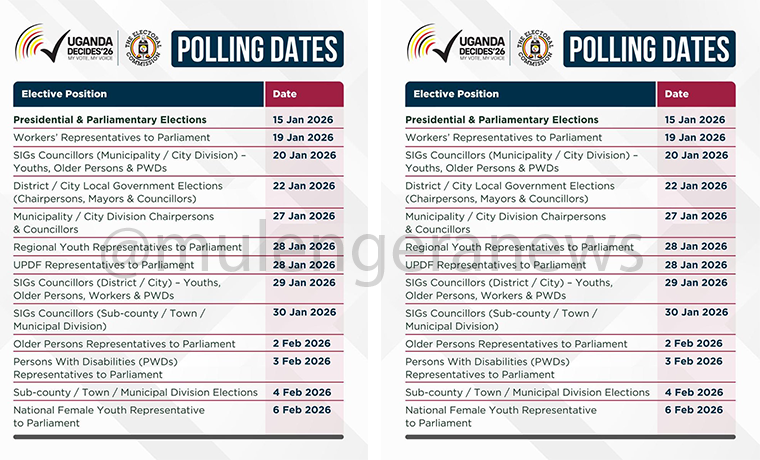
In addition to the house arrest issue, Wangadya addressed broader concerns about public order and rights during the elections.
She noted that the UHRC would continue monitoring the situation to ensure that political leaders and citizens alike are able to exercise their rights freely, including the right to participate in political processes and seek redress for any violations.
Wangadya stressed that the commission’s priority is to protect human rights and guarantee transparency in all actions affecting political leaders.
The outcome of the UHRC team’s visit to Kyagulanyi is awaited, with many hoping it will clarify the circumstances surrounding his reported house arrest and provide a measure of assurance about respect for political freedoms in Uganda.