









By Mulengera Reporters
The Uganda Health Professions Assessment Board (UHPAB) has raised concerns over the high cost of implementing competency-based training and assessment in health institutions, warning that inadequate investment could undermine efforts to produce skilled and professionally competent health workers.
The Board says the shift from traditional examination-based assessment to a system that requires trainees to demonstrate practical abilities in actual working environments will demand substantial financial and logistical resources.

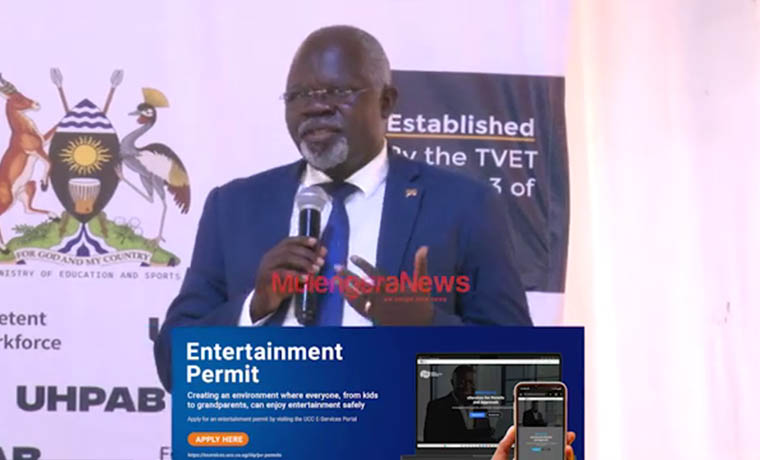
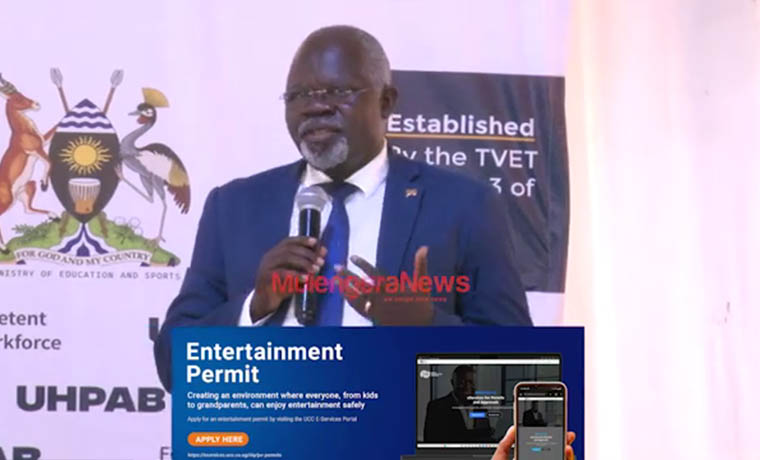
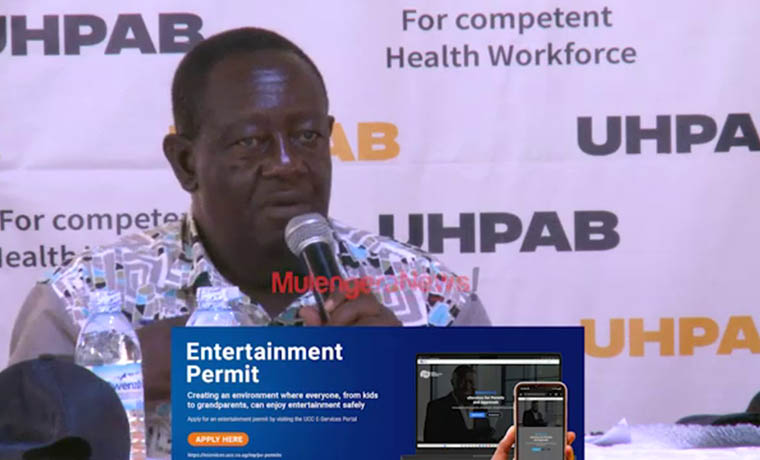
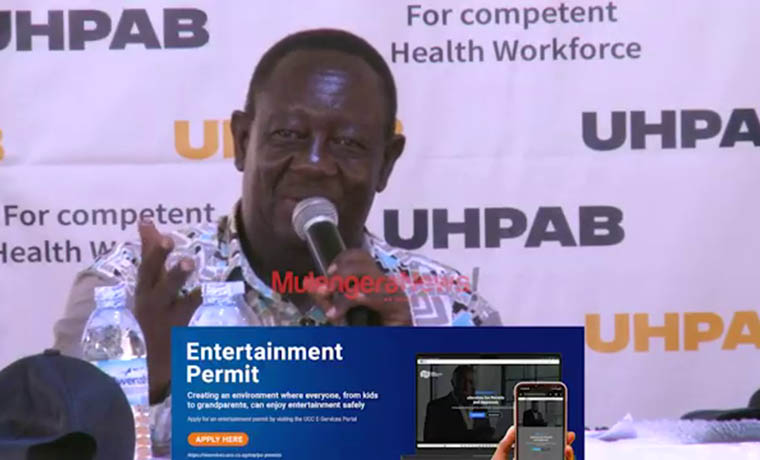
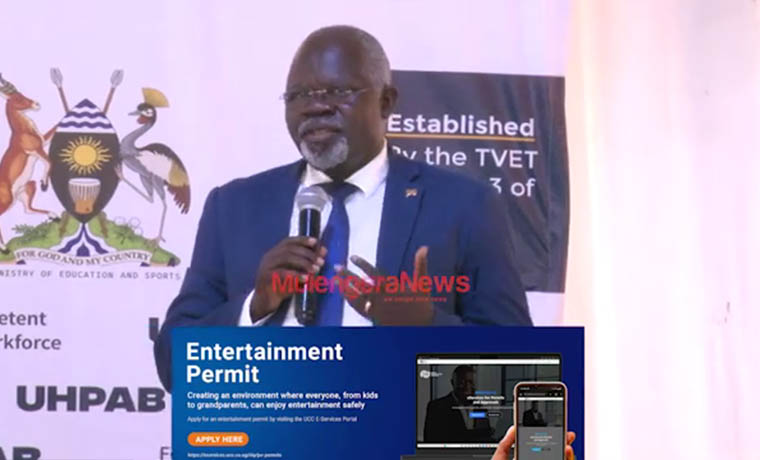
UHPAB Board Chairperson Dr. Alfred Driwale said assessing health professionals requires more than administering written examinations, noting that students must demonstrate their ability to apply acquired knowledge and skills in hospitals and health centres before being certified.

He explained that the approach requires continuous field supervision, verification of practical competencies and close collaboration with school inspectors, tutors and health facilities.
Driwale warned that without adequate resources to support these activities, the country risks certifying graduates whose theoretical knowledge may not necessarily translate into practical competence.
One of the challenges highlighted by the Board is the verification of students’ clinical logbooks, which are used to document practical experience acquired during placements in health facilities.
He questioned the reliability of relying solely on completed logbooks without physically verifying whether students had performed the procedures and acquired the competencies recorded.
Using midwifery training as an example, Driwale said it was important to establish whether a trainee had genuinely acquired the skills required to safely conduct deliveries rather than simply relying on written records.
The Board is therefore seeking to strengthen mechanisms for monitoring clinical placements and verifying practical competencies to ensure that certification reflects what graduates can actually do in the workplace.
Competency-Based Assessment Demands More Funding
Driwale acknowledged that implementing competency-based assessment would be expensive because it requires assessors to move into the field and evaluate trainees in real working environments.
He said UHPAB would need additional resources to establish an effective assessment framework that involves health facilities, tutors and inspectors in verifying students’ practical abilities.
The challenge comes as Uganda implements reforms under the Technical and Vocational Education and Training (TVET) system, which places emphasis on producing graduates with relevant knowledge, practical skills and appropriate professional attitudes.
Driwale argued that the reform would only achieve its intended objectives if all components of the TVET system received adequate investment.
He explained that while UHPAB is responsible for curriculum development, assessment and certification, the quality of graduates also depends on the institutions responsible for training them and the regulatory structures responsible for enforcing standards.
“Investments must be done in equal measure in all the arms of the TVET system,” he said.
UHPAB Seeks Stronger Support for Training Reforms
The Board Chairperson said UHPAB’s Strategic Plan for 2025/2026 to 2029/2030 provides a framework for strengthening health professionals’ assessment, developing relevant competency-based curricula and improving confidence in qualifications awarded to graduates.
He noted that the reforms are aligned with the Fourth National Development Plan (NDP IV), the National Resistance Movement manifesto and the Tenfold Growth Strategy, which prioritize human capital development, skills enhancement, productivity and improved public service delivery.
However, he warned that these national aspirations could be undermined if the country failed to address the financial and operational challenges affecting the implementation of competency-based training.
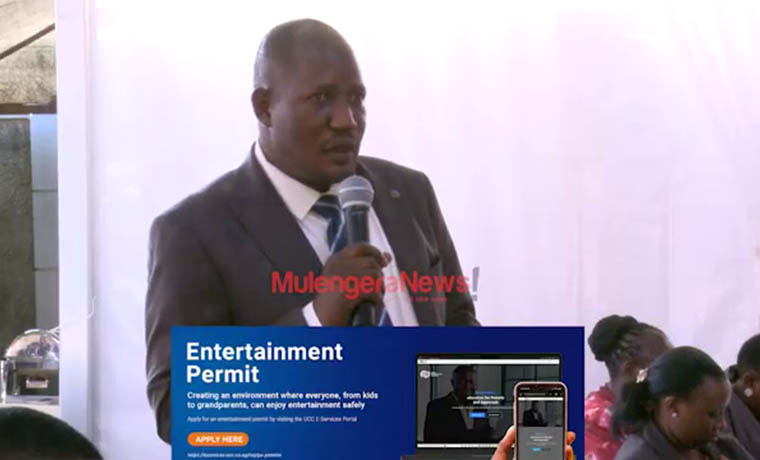
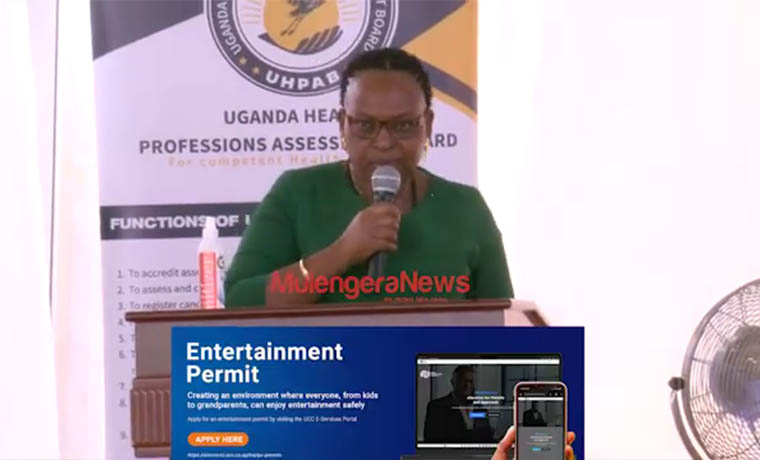
Driwale made the remarks during an engagement with the Parliamentary Committee on Education and Sports, which visited UHPAB as part of its institutional oversight responsibilities.
He called for sustained government and parliamentary support to enable the Board to strengthen its assessment systems and establish mechanisms for verifying the practical abilities of health trainees.
The ultimate objective, he said, is to ensure that Uganda produces knowledgeable, skilled and ethically responsible health professionals who can deliver quality services and compete effectively within the region. (For comments on this story, get back to us on 0705579994 [WhatsApp line], 0779411734 & 041 4674611 or email us at mulengeranews@gmail.com).