







By Mulengera Reporters
Uganda’s telecommunications sector may be expanding at a record pace, but beneath the impressive growth figures lies a troubling reality of rising fraud, expensive infrastructure, patchy rural connectivity and mounting consumer frustrations, the Uganda Communications Commission (UCC) has revealed.
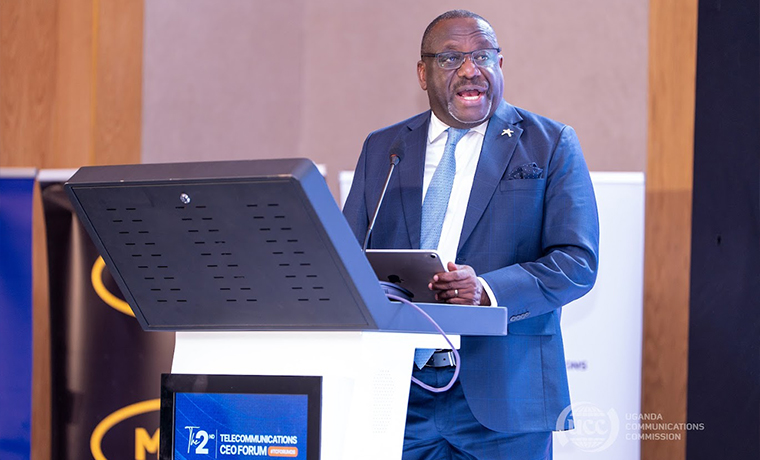
Speaking at the second Telecommunications CEO Forum in Kololo, Mbaga Tuzinde, Head of the Competition Division at UCC, painted a picture of an industry experiencing explosive growth while grappling with deep structural challenges threatening its future.
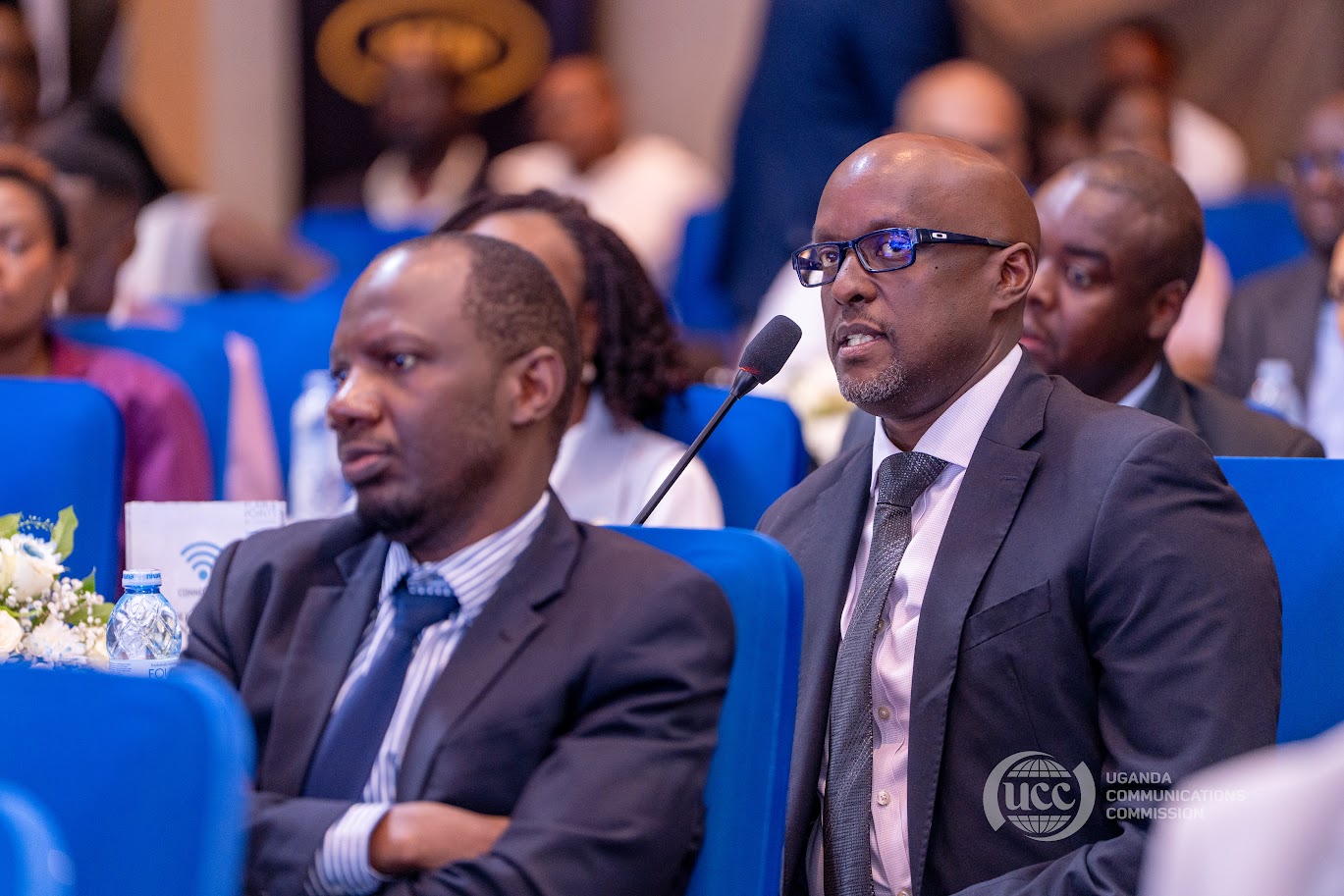
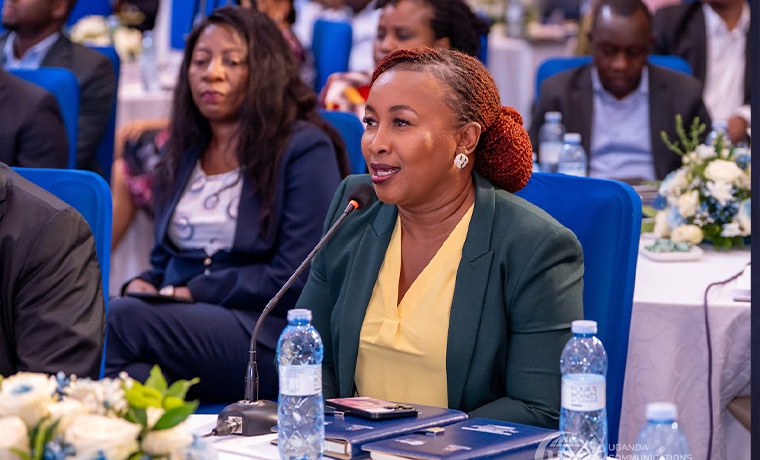
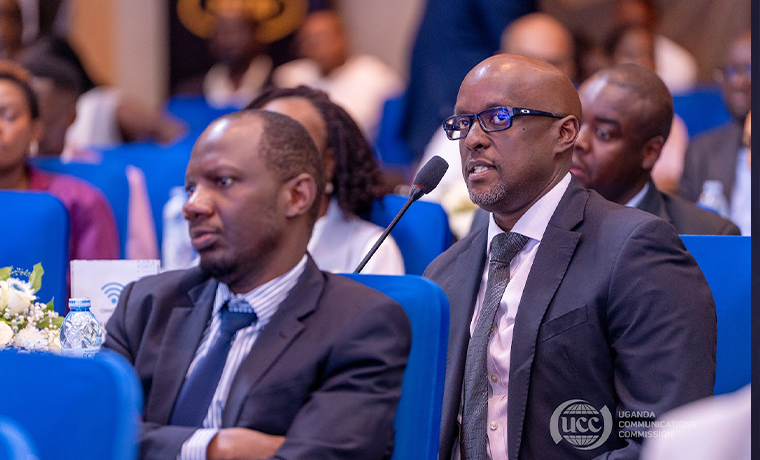
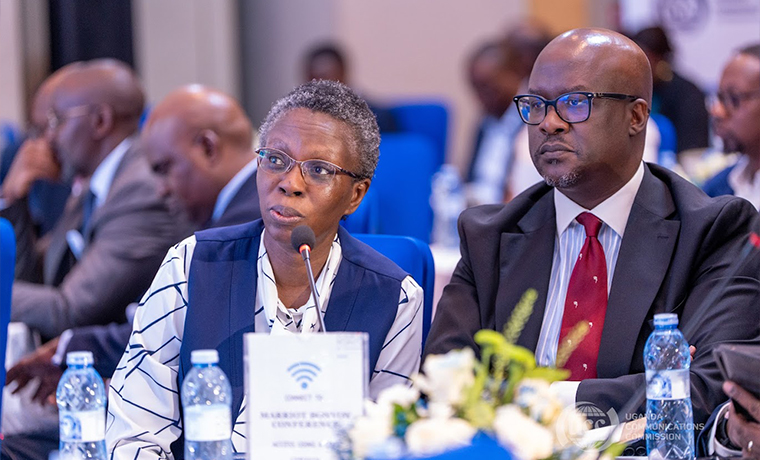
Addressing telecom chief executives, consumer advocacy groups and government agencies gathered at Four Points by Sheraton, Tuzinde warned that despite significant progress, major obstacles continue to undermine service delivery, consumer protection and digital inclusion.

“We have the CEOs of telecommunication companies, advocacy groups and major ministries, departments and agencies that provide services or have something to do with telecommunications,” Tuzinde said, emphasizing the importance of collaboration among regulators, telecom firms and government actors.

His remarks came during a presentation on the state of Uganda’s telecom sector as part of the March 2026 CEO Forum, where UCC outlined industry performance, lingering consumer concerns and progress on commitments made during the inaugural forum held in March last year.
Telecom growth surges
According to figures presented by Tuzinde, Uganda’s telecom sector has continued to register substantial growth.

The country now boasts approximately 71,740 kilometres of fibre optic network and over 5,500 telecommunications towers spread across the country.
Uganda has also registered 61.6 million telecom subscribers, although only 47.5 million are classified as active users within a 90-day period.
The number of active mobile internet subscribers has climbed to 18 million, while mobile money services now have 36.7 million active users — highlighting how digital financial transactions have become deeply integrated into everyday life.
Smartphone usage is also steadily increasing, with Uganda now counting 20.3 million smartphone users.
Yet even amid this growth, Tuzinde cautioned that access to digital services remains uneven, with many Ugandans still locked out of the country’s digital transformation.
Rural Uganda left behind
One of the most pressing concerns raised by the regulator is the widening digital divide between urban and rural communities.
Tuzinde said telecom operators continue to concentrate investment in urban areas, leaving rural communities underserved.
“Most of our operators are concentrated in urban areas, and rural areas do not have as much service,” he noted.
Affordability also remains a major barrier, particularly for low-income consumers struggling with internet and communication costs.
Limited access to smartphones further compounds the problem, preventing millions from fully participating in digital services such as online banking, e-learning and e-government systems.
Service quality complaints also persist, with many users continuing to report network interruptions and poor customer experiences.
Telecom companies battling rising costs
For telecom companies, the challenge is not merely expanding services but surviving increasingly costly operations.
According to Tuzinde, infrastructure deployment costs remain extremely high, with power expenses emerging as one of the sector’s biggest burdens.
For infrastructure providers operating off-grid sites, power can consume up to 50 percent of operational costs.
He also highlighted bureaucratic delays in obtaining right-of-way approvals for telecom infrastructure deployment, saying multiple government agencies impose different requirements, slowing expansion efforts.
“There are so many requirements from different agencies for right of way,” he said.
The sector is also facing growing competition from over-the-top technology platforms — digital services such as messaging and calling applications that increasingly bypass traditional telecom revenues.
Fraud mutating faster than regulators
Perhaps the most alarming concern raised during the forum was the persistence and evolution of mobile money fraud.
Despite intensified efforts by regulators and telecom companies, fraudsters continue to adapt faster than authorities can suppress them.
“Fraud keeps mutating, so it is always on the go,” Tuzinde warned.
In response, the sector has established an Anti-Fraud Committee comprising the UCC, the Bank of Uganda and the Uganda Bankers Association to strengthen coordination in tackling financial crimes.
UCC and the central bank have also rolled out nationwide awareness campaigns on mobile money fraud and digital financial safety through regional talk shows.
Meanwhile, telecom operators have integrated customer databases into Know Your Customer (KYC) systems to improve user verification and reduce fraud risks.
Efforts are also underway to integrate systems with the new National Identification and Registration Authority (NIRA) digital identity framework, although migration challenges from the old system remain.
Consumers pushed to the edge
The forum also reflected on widespread complaints from telecom consumers regarding customer care, hidden charges and poor transparency.
Tuzinde said complaints about inaccessible telecom call centres and delayed customer responses had featured prominently during last year’s CEO Forum.
In response, telecom operators have increasingly deployed chatbot technologies to improve customer support, while UCC is upgrading its own call centre infrastructure.
Consumer advocacy groups have also been allowed to tour telecom call centres to better understand how complaints are handled.
The regulator acknowledged that many consumers previously felt telecom companies failed to adequately explain service terms and conditions.
To address this, UCC has partnered with telecom firms to hold regional consumer dialogues across Uganda and regularly publish tariffs and pricing information.
“We hope by doing so, transparency is higher,” Tuzinde said.
Vandalism and illegal infrastructure threaten networks
Network vandalism remains another major threat to the telecom sector.
UCC, telecom operators and infrastructure firms have launched the “Tokigeza” campaign to combat vandalism targeting telecom equipment and fibre infrastructure.
Authorities are also working closely with law enforcement agencies to prosecute individuals responsible for destroying telecom facilities.
At the same time, UCC has issued new guidelines on fibre installation and power sharing to address the problem of uncoordinated infrastructure deployment.
The Ministry of ICT is reportedly spearheading efforts to harmonize telecom infrastructure expansion to reduce duplication and improve efficiency.
SIM card abuse and unsafe devices under scrutiny
Regulators are also tightening oversight over SIM card registration and churn processes amid concerns about misuse.
UCC has launched a national awareness campaign focusing on SIM registration regulations and subscriber responsibilities.
Additionally, authorities are raising concern over the widespread use of unapproved communication devices, warning that such gadgets undermine consumer protection efforts and potentially threaten national security.
A sector at a crossroads
While Uganda’s telecom industry is growing rapidly and becoming increasingly central to commerce, communication and financial transactions, Tuzinde’s presentation underscored a stark reality: growth alone will not solve the sector’s deep-rooted problems.
From rising fraud and expensive operations to digital inequality and consumer distrust, the regulator signalled that Uganda’s telecom future will depend on stronger cooperation between operators, government agencies and consumer advocates.
For millions of Ugandans relying daily on mobile phones, internet services and mobile money, the stakes could not be higher. (For comments on this story, get back to us on 0705579994 [WhatsApp line], 0779411734 & 041 4674611 or email us at mulengeranews@gmail.com).