





 By Mulengera Reporters
In a move that could transform emergency aid delivery across Africa, Uganda has just launched a groundbreaking project that will make disaster response faster, smarter, and more efficient.
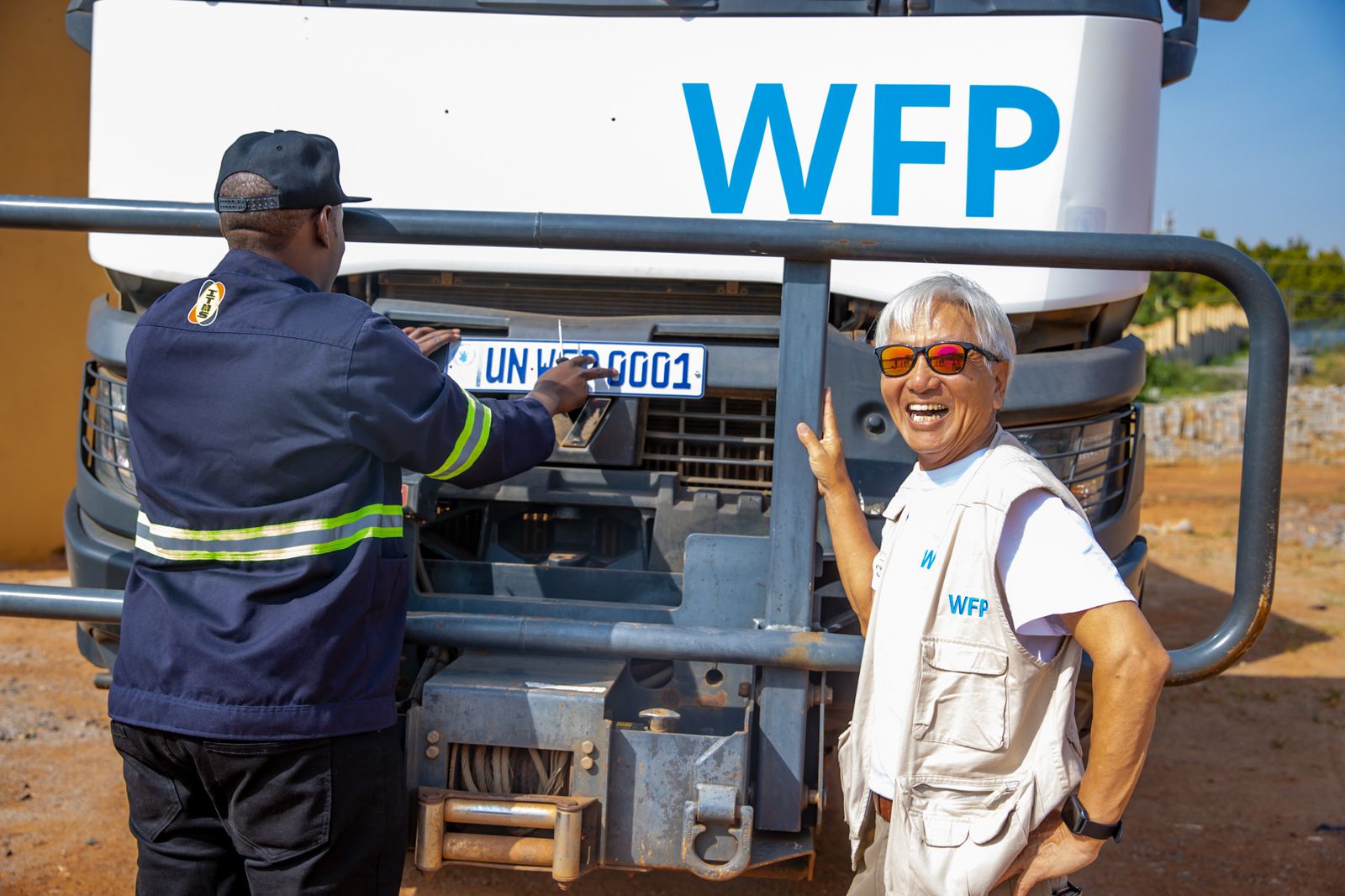
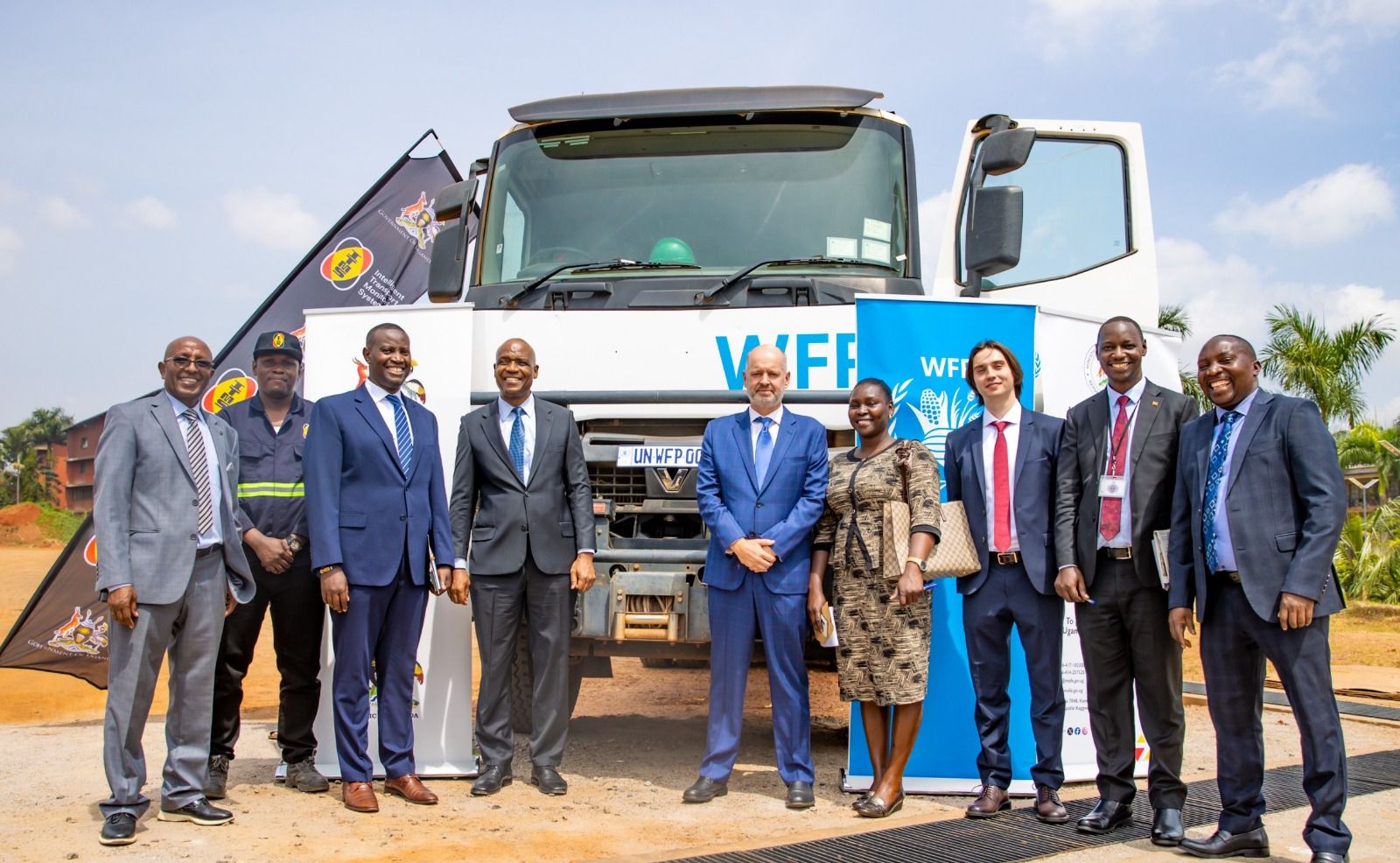
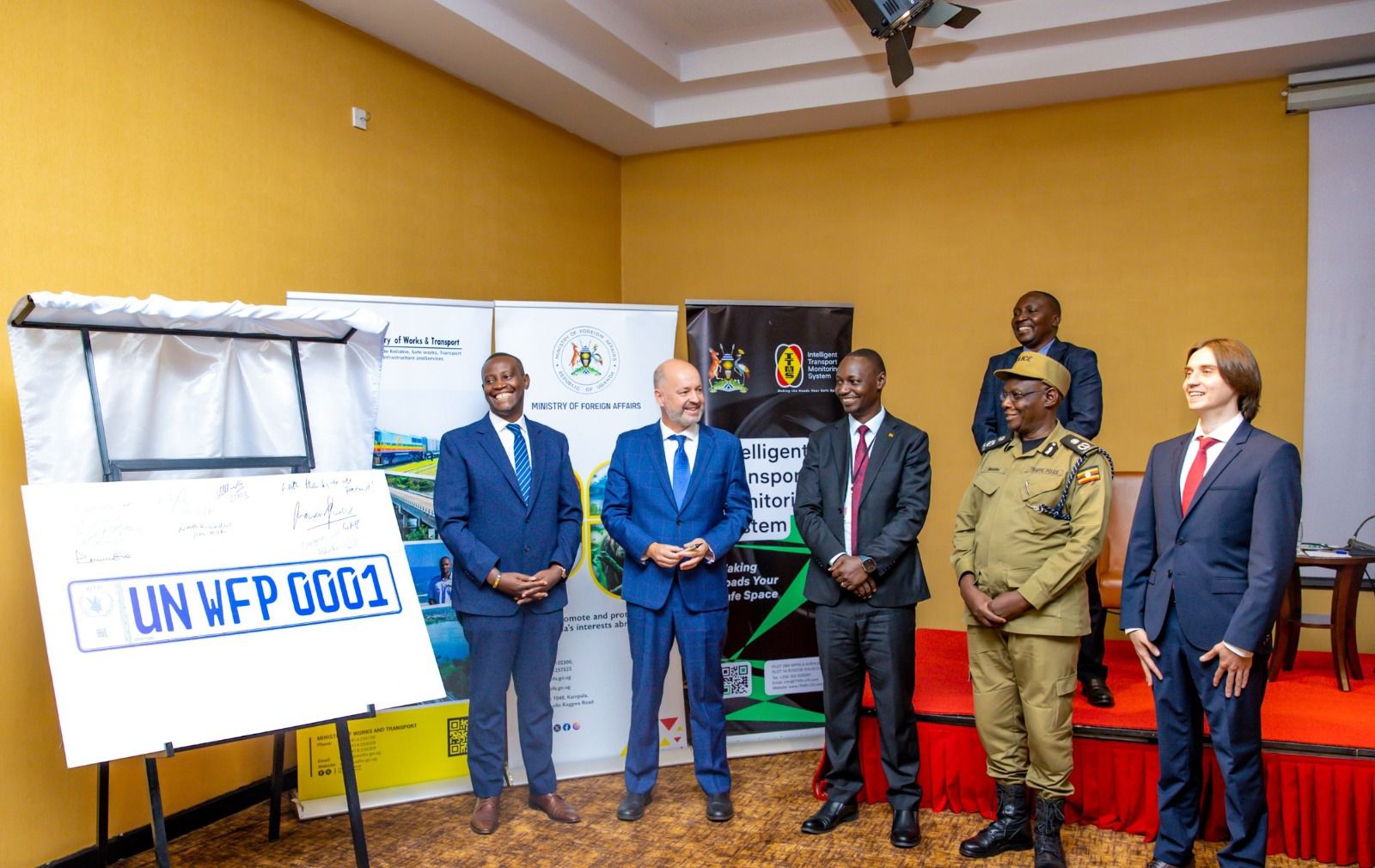
The government has introduced a brand-new set of special number plates for the World Food Programme (WFP) fleet, marking the country as the center of a massive regional logistics hub for aid to Eastern and Southern Africa.
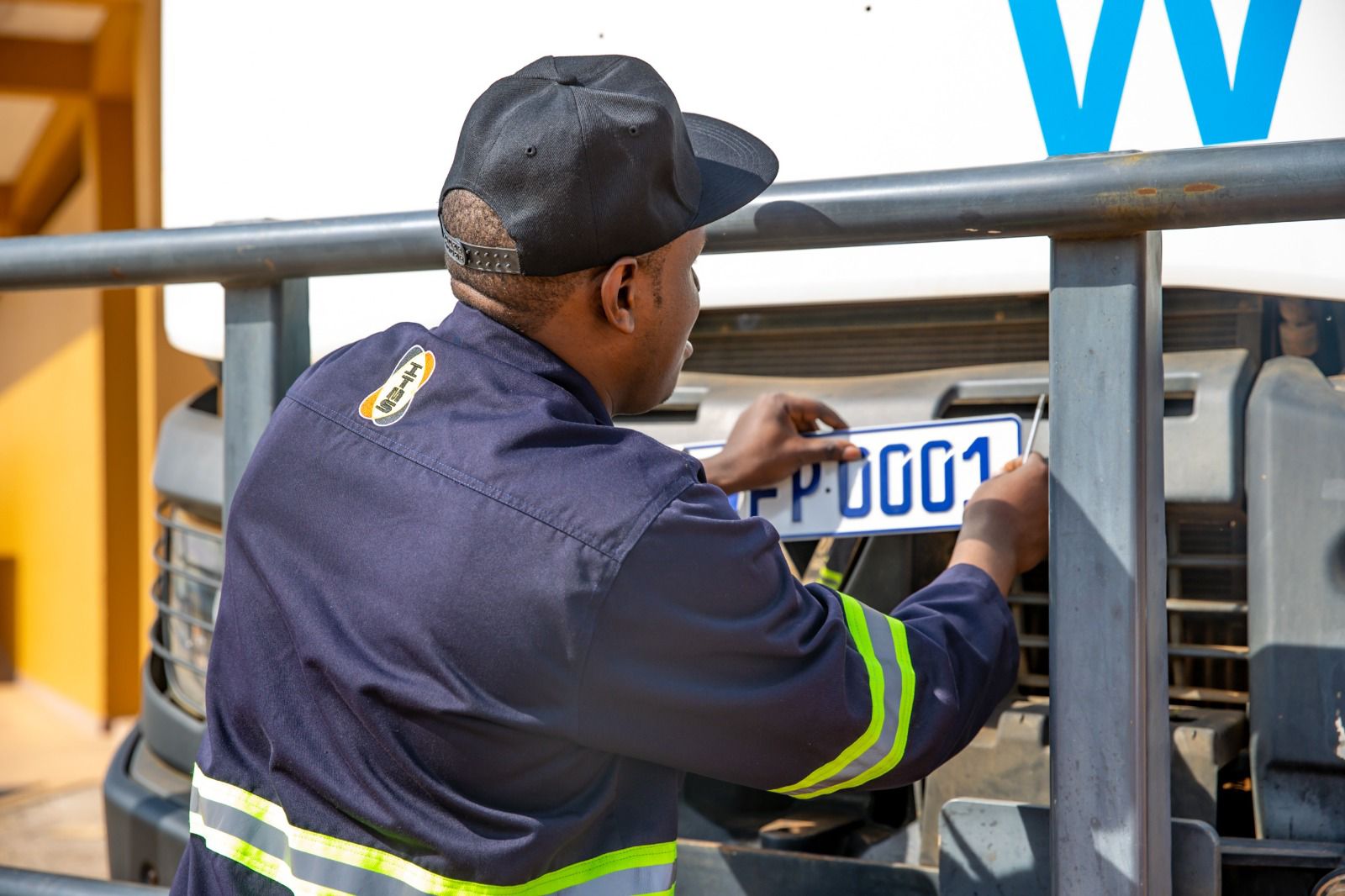
The Uganda-manufactured special number plates represent only one component of a comprehensive system that integrates advanced hardware and software solutions.

Today’s ceremony marks a historical milestone in a new phase of vehicle registration, introducing enhanced digitalization and strengthened security features.

But here’s the twist: these aren’t just any number plates. These are smart plates, powered by cutting-edge technology that will revolutionize how humanitarian aid moves across borders. And it’s the Intelligent Transport Monitoring System (ITMS) that’s making this all possible.
The new plates are designed to eliminate red tape and cut down the time it takes for emergency aid to cross borders, making it easier and faster for the WFP’s trucks to get food and supplies to people in need. These plates will allow WFP vehicles to move across Uganda and the whole African continent without getting stuck in the usual border delays.
Joseph Tumwine, Head of Installation at ITMS, explains the importance of the new system: “These smart plates are the future of logistics in Uganda and across Africa. The QR codes and unique identifiers on these plates allow for instant tracking of every truck in real-time. It means that every time one of these trucks crosses a border or enters a new area, we can know exactly where it is, speeding up the entire aid process.”
And the best part? The plates are not tied to any one country, which means they work across borders, symbolizing neutrality and making it easier to move relief goods quickly, no matter where the emergency happens.
Ambassador Charles Ssentongo, Director Protocol Services at the Ministry of Foreign Affairs, representing Uganda’s Foreign Affairs Minister Gen. Abubakher Jeje Odongo, celebrated the launch of the new plates, saying, “This is a historic moment for Uganda.
These plates will allow us to take the lead in delivering humanitarian aid across Africa, and with the help of ITMS, we can ensure that no delays will stand in the way of helping those in need.”
This isn’t just a tech upgrade. This move positions Uganda as the humanitarian hub of Africa. The new fleet of WFP trucks, with their smart plates, will not just deliver food to Uganda’s refugees but will also serve neighboring countries in crisis.
The fleet, which will eventually number 1,000 vehicles, will be central to providing life-saving aid across the continent. In 2024 alone, Uganda helped deliver over 174,000 tons of food to millions across East and Central Africa.
WFP’s Deputy Country Director Marcus Prior said Uganda’s strategic location and its ability to handle massive logistics made it the perfect choice to house the regional logistics hub. “When floods, droughts, or conflicts hit, these new number plates will help us deliver aid in record time. Every second counts when people’s lives are on the line,” he said.
The initiative also highlights Uganda’s ability to combine modern technology with humanitarian action. The new smart plates will help the WFP track vehicles instantly, cutting through the usual delays of paperwork, border checks, and lengthy registration processes.
The plates are embedded with QR codes that can be scanned anywhere, giving authorities and teams the information they need at the touch of a button.
Joseph Tumwine and his ITMS team have been at the forefront of rolling out this technology. He emphasized, “We’re ready for this project. We’ve been implementing digital plates across Uganda, and now we’re taking it to the next level with these smart plates for the WFP.”
The project is more than just a technical achievement. It’s also a huge opportunity for Uganda’s economy. The introduction of these plates will create jobs for drivers, mechanics, and supply chain workers across the region.
It will even help farmers, as WFP trucks will need supplies like food, fuel, and maintenance, all of which will come from local businesses.
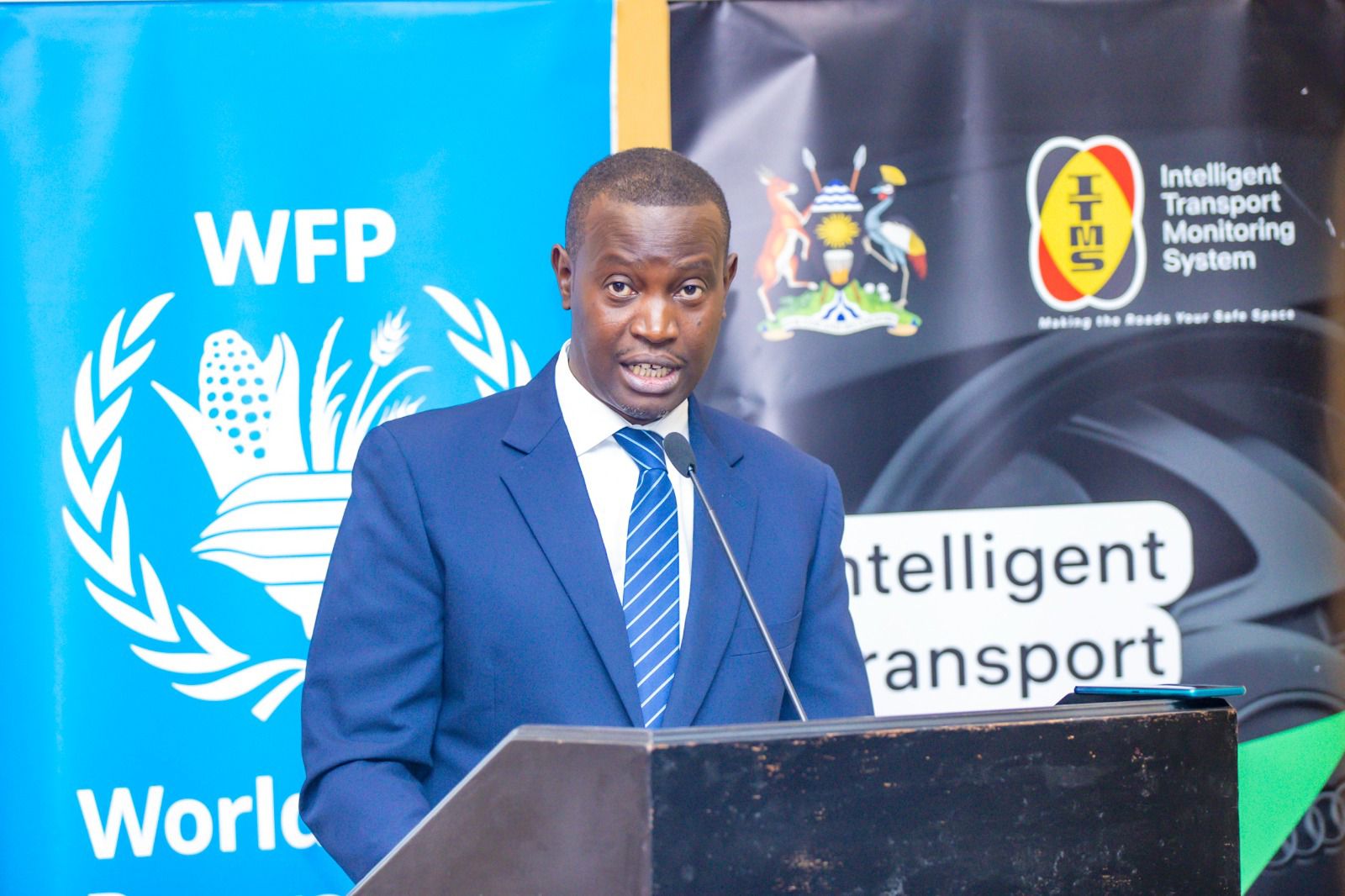
The excitement was clear at the launch event at Speke Resort Hotel Munyonyo, with officials from Uganda’s Ministry of Works and Transport, the WFP, Police Traffic and Road Safety, Ministry of Foreign Affairs, and the ITMS team coming together to celebrate this historic moment.
Apollo Kashanku, Assistant Commissioner for Road Transport Regulation Safety at the Ministry of Works and Transport, represented the Transport Minister Gen Edward Katumba Wamala at the event and praised the new system, saying, “This is a game-changer. It shows that Uganda is not just a recipient of aid; we are now a global leader in humanitarian logistics.”
But perhaps the biggest takeaway is Uganda’s peace and stability, which make it a safe place for these vital operations to take place. In a region often hit by conflict and instability, Uganda’s leadership in the humanitarian sector is a beacon of hope.
“We are proud to be part of this. It shows that Uganda is not only committed to helping those in need but also to shaping the future of humanitarian work across Africa,” said Ambassador Ssentongo.
As this innovative project rolls out, it’s clear that Uganda’s new smart number plates will change the game for emergency aid.
The eyes of the world are on Uganda, and with the help of ITMS and their cutting-edge technology, Uganda is ready to lead the way in delivering life-saving aid across the continent. (For comments on this story, get back to us on 0705579994 [WhatsApp line], 0779411734 & 041 4674611 or email us at mulengeranews@gmail.com).