




By Ben Musanje
The Uganda Law Society (ULS) has strongly criticized the Directorate of Public Prosecutions (DPP) for abruptly dropping corruption charges against three ruling party Members of Parliament, describing the move as unconstitutional and an abuse of power.
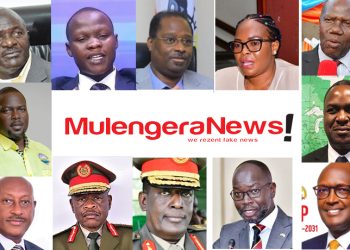
On January 7, 2026, the DPP entered a nolle prosequi in the case against Yusuf Mutembuli (Elgon County), Paul Akamba (Busiki Constituency), and Cissy Namujju (Lwengo Woman MP). The MPs had been accused of demanding a 20 percent kickback from the Uganda Human Rights Commission budget to unlawfully influence parliamentary budget decisions.
The ULS expressed deep concern over what it described as the arbitrary withdrawal of corruption charges without any explanation to the public. The lawyers noted that the case had strong evidence, including testimony from Uganda Human Rights Commission (UHRC) Chairperson Mariam Wangadya, who had testified in court as Prosecution Witness No. 1 and had indicated the existence of audio recordings allegedly capturing the MPs soliciting bribes.
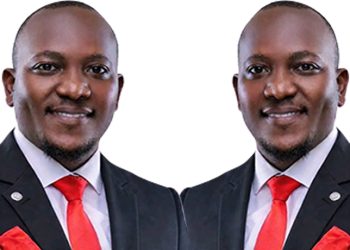
ULS Vice President Asiimwe Anthony said that the withdrawal of charges was particularly alarming given the prior court testimony and alleged audio evidence. He pointed out that while the DPP has constitutional authority under Article 120(3)(d) to discontinue criminal proceedings, this power must be exercised in the public interest and in the interests of justice, as required under Article 120(5).
The lawyers’ body warned that the unexplained withdrawal of serious corruption charges violated the constitutional duty to combat corruption under Article 17(1)(a) and argued that prosecutorial discretion should never be used to shield powerful actors from accountability.

ULS also pointed to a worrying pattern of similar withdrawals in high-profile corruption cases. Asiimwe referenced the 2022 decision by then DPP Jane Frances Abodo to drop corruption charges against businessman Hassan Basajjabalaba, which were justified on grounds of ongoing investigations but were never reinstated.
The ULS noted that this recurring pattern fuels public perception of selective justice, suggesting that members of the ruling NRM are insulated from accountability while laws are enforced more strictly against opposition and civil society actors.
The lawyers called for a clear, public, and reasoned explanation from the Office of the DPP, insisting that the people of Uganda are entitled to answers and that the State must be held accountable.
The sudden withdrawal of these corruption charges has sparked outrage among citizens and raised urgent concerns about whether Uganda’s fight against corruption is being undermined to protect politically powerful individuals.