





By Ben Musanje
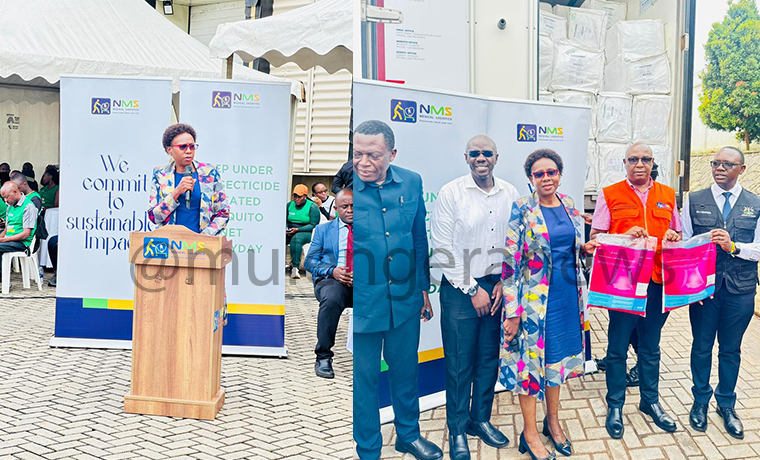
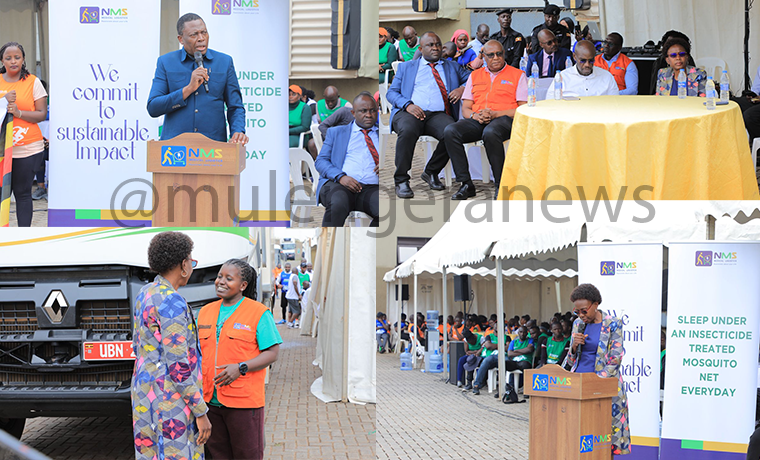
In a powerful move to combat one of the nation’s most dangerous health threats, Uganda has officially launched its 5th Universal Coverage Campaign to distribute 25.8 million insecticide-treated mosquito nets across the country.
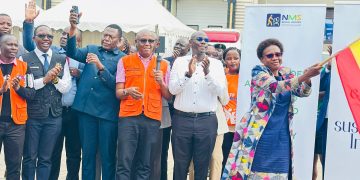
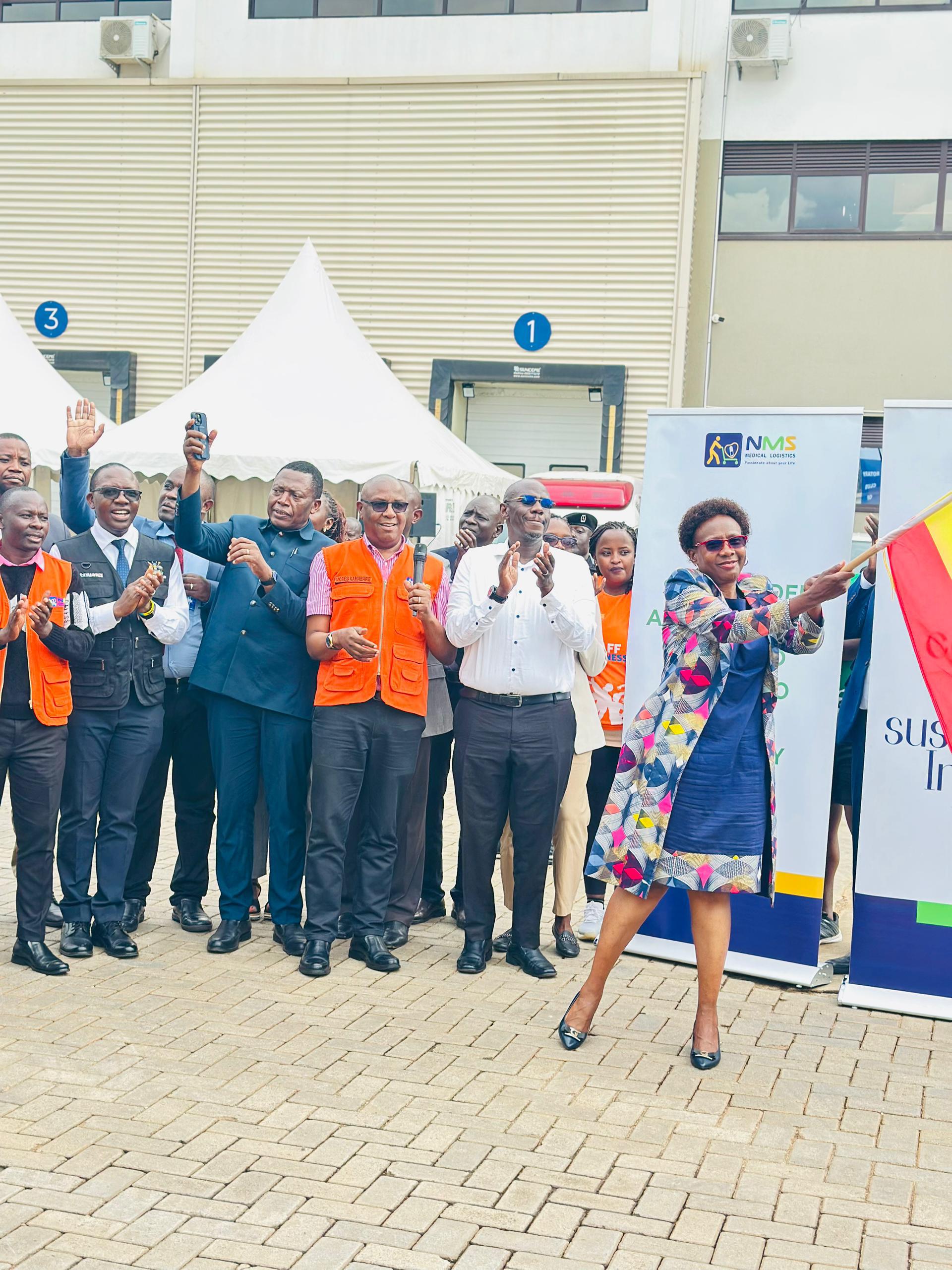
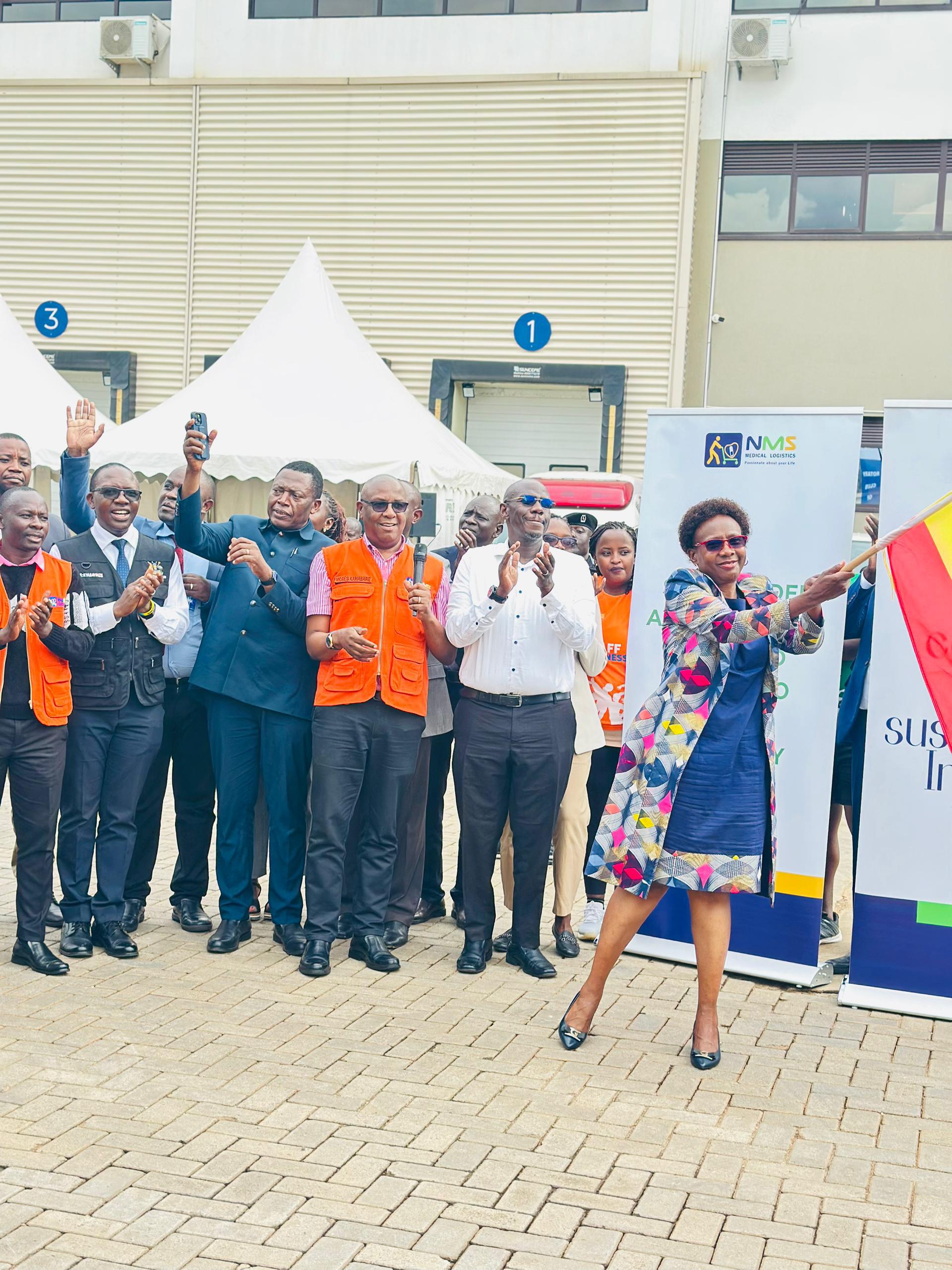
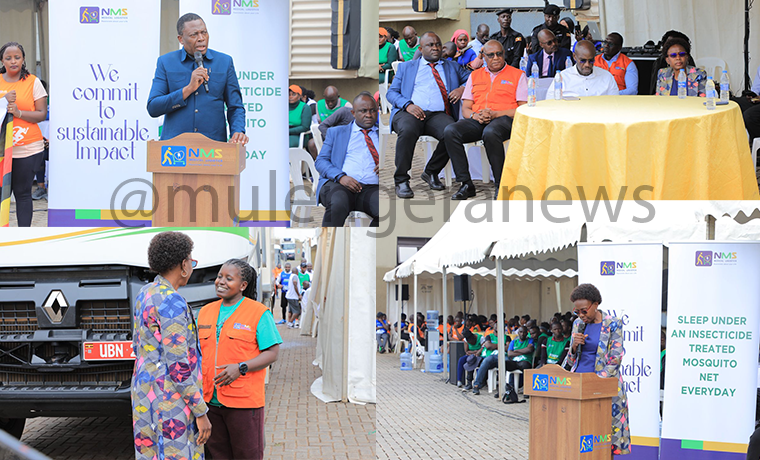
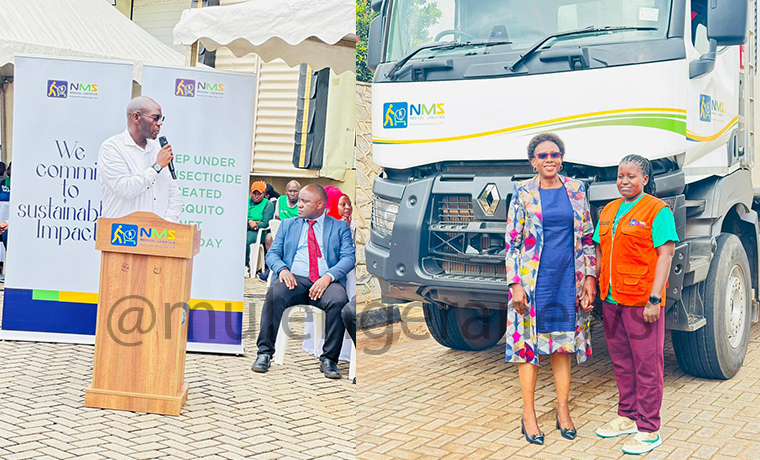
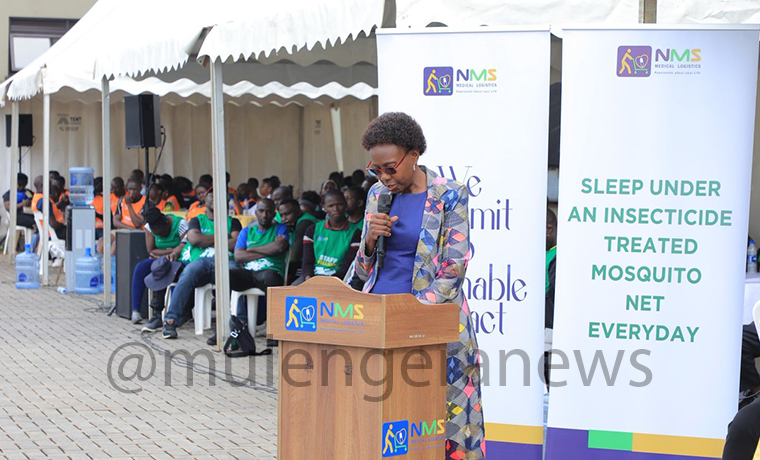
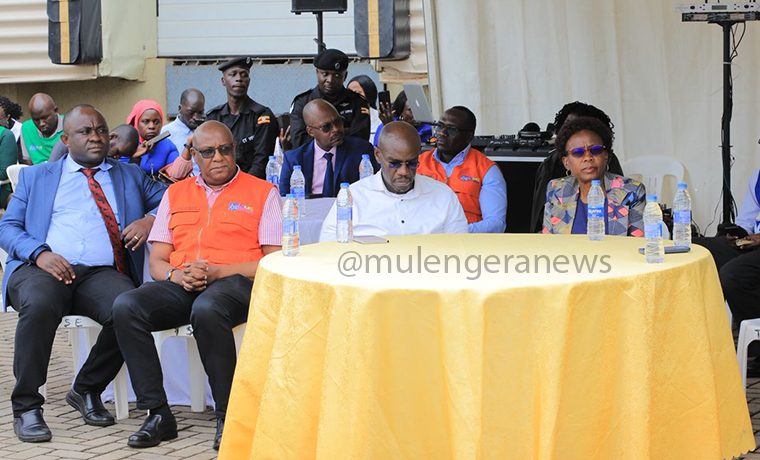
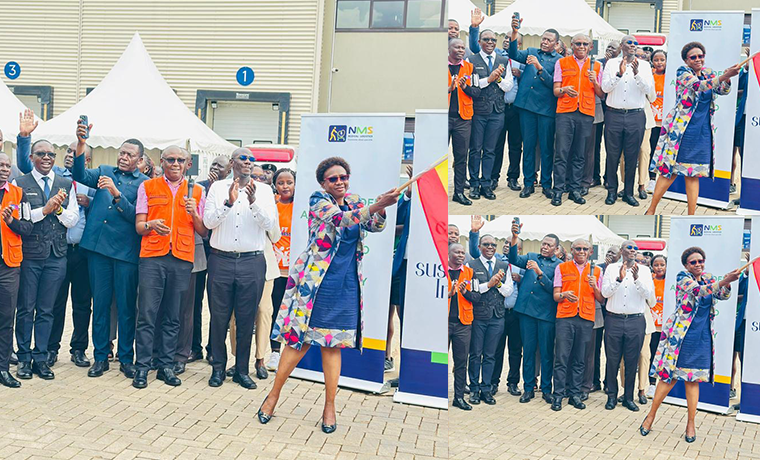
The flag-off event, led by Dr. Jane Ruth Aceng, Uganda’s Minister of Health, marks the beginning of a massive nationwide push to reduce malaria-related illness and deaths.

The government has set a bold target to achieve over 80% universal coverage, aiming to protect millions of Ugandans from the deadly mosquito-borne disease.
With malaria prevalence on the rise, up to 12.5% in 2025 from 9.2% in 2018, this ambitious campaign is seen as a crucial step in the fight against one of Uganda’s most persistent health challenges.
The campaign, backed by Global Fund and U.S. Government support, will cover 130 districts, excluding those already receiving Indoor Residual Spraying (IRS).
The first wave of distribution will focus on high-burden districts including Amolatar, Alebtong, Apac, Budaka, Bugweri, Buyende, Dokolo, Iganga, Jinja, Jinja City, Kaliro, Kamuli, (7:20) Kole, Kwania, Lira District, Lira City, Mbale, Mbale City, Otuke, and Oyam with 4.49 million nets expected to protect over 8.5 million people.
With malaria causing 5% of global cases and 2.7% of deaths, Uganda ranks among the top countries worldwide affected by the disease.
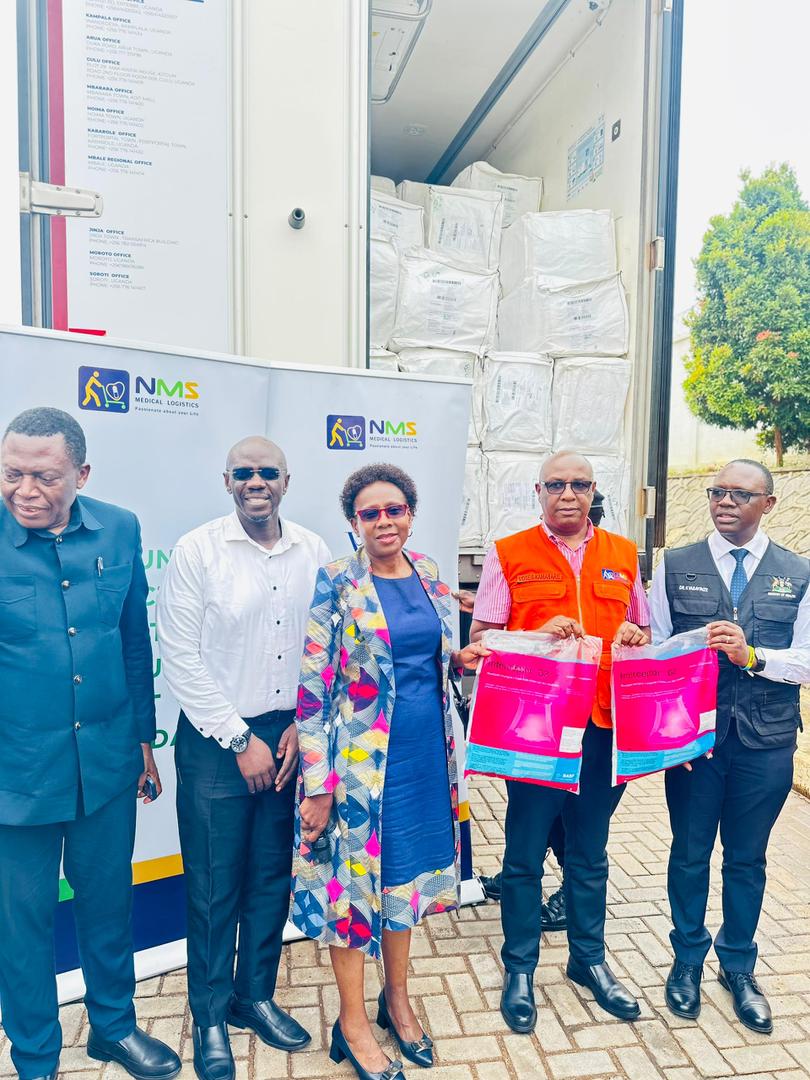
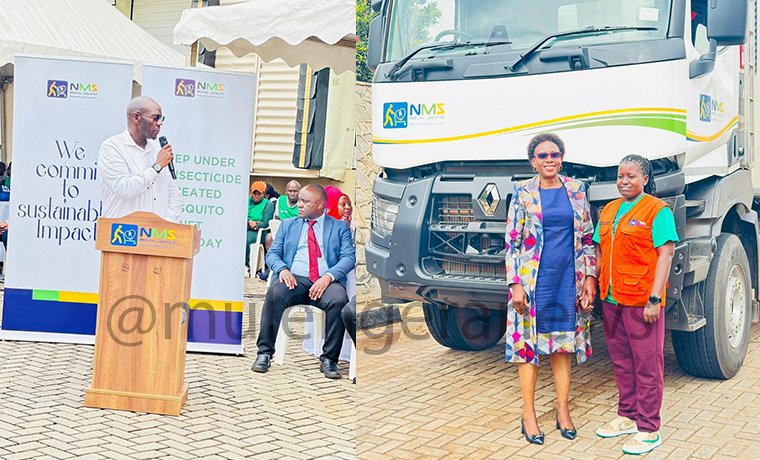
National Medical Stores (NMS), responsible for overseeing the logistics and distribution, has committed to ensuring the safe and efficient delivery of the nets to the most vulnerable communities.
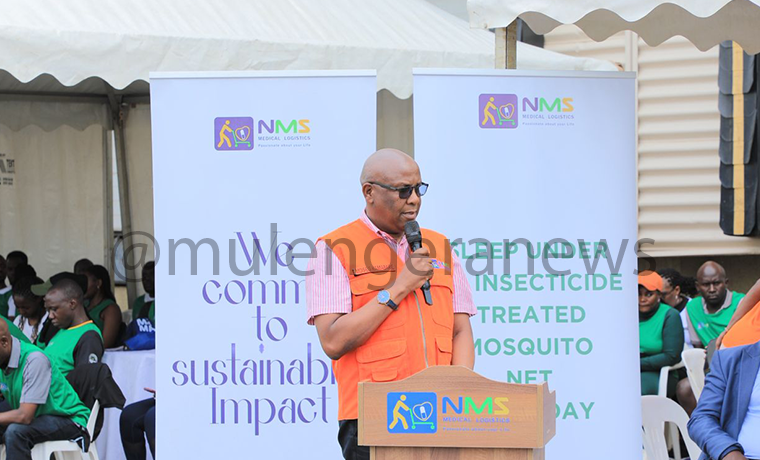
Moses Kamabare, the General Manager of NMS, reassured the public that his organization is fully prepared to handle the massive task. He emphasized that NMS has the infrastructure in place to ensure the timely and accountable delivery of the nets to every corner of Uganda.
Representatives from the World Health Organization (WHO) have expressed praise for Uganda’s efforts, highlighting the country’s dedication to strengthening malaria prevention through its national systems.
Dr. Andrew Bakainaga, WHO’s representative in Uganda, remarked that the campaign could serve as a “game-changer” in the fight against malaria, noting that insecticide-treated nets remain one of the most effective tools for reducing malaria transmission.
As the campaign progresses in the coming months, local leaders, health teams, and communities will play a key role in ensuring the nets are used correctly to save lives.
The future of Uganda’s health hinges on the success of this mission and the nation is determined to make it a victory in the war against malaria.