






By BM
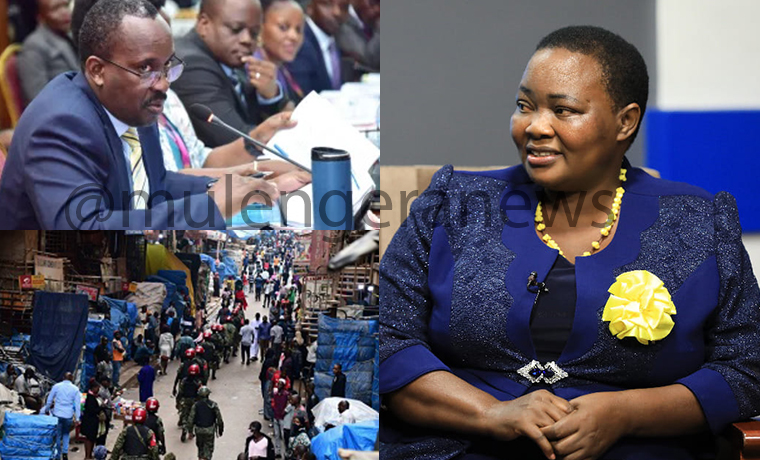
The heart of Kampala has been plunged into tension as Prime Minister Rt. Hon. Robinah Nabbanja steps in to face furious city traders in a high-stakes meeting scheduled for Wednesday.
The emergency gathering follows a wave of rage sparked by what traders describe as crippling taxes and heavy-handed enforcement by the Uganda Revenue Authority (URA).
On Tuesday, hundreds of traders locked up their shops in the Central Business District (CBD), bringing the capital’s commercial activity to a near standstill.
Their protest, led by members of the Kampala City Traders Association (KACITA), was a response to increased URA taxes, seizure of goods, and what they say is a biased system favoring foreign traders, particularly Chinese importers.

Street Revolt Turns Political Headache

Following a tense closed-door meeting with selected trader representatives at her office, Prime Minister Nabbanja agreed to personally meet with all traders on Wednesday to address the crisis.
“Those willing to reopen can do so under police protection. But we respect those who choose to stay home until consensus is reached,” Nabbanja declared, emphasizing that the final decision will lie with Cabinet, not her alone.
The PM accused some traders of using “tactics to evade taxes” but acknowledged the need for honest dialogue.


She was delegated by President Yoweri Museveni to urgently handle the standoff threatening to spiral into broader unrest.
Traders Speak Out: ‘We’re Being Crushed!’
Leading the charge was Brian Ssemanda, chairman of traders at Pentagon City building, who accused URA of targeting local traders while foreign competitors operate freely.
“Our goods are locked in containers, our businesses are strangled. This is not politics—it’s survival,” said Mariam Namuddu, one of the protesting shop owners.
Yet confusion brewed within the traders’ camp. John Kabanda (FUTA) and Edward Ntale (UATEA) claimed ignorance of the protest, exposing divisions among trade groups.
Meanwhile, KACITA spokesperson Gerald Mwasi Muhumuza announced a sudden suspension of the strike a move not welcomed by all, as tensions remained high on the streets.
Government Begins to Yield — Partially
In a significant development, URA Commissioner General John Musinguzi Rujoki revealed that the Prime Minister had directed URA to collaborate with KACITA to de-escalate the situation.
“We’ve agreed that impounded goods can be reclaimed after paying taxes, but without penalty fees for undeclared items,” Musinguzi said.
State Minister for Trade, Gen. Wilson Mbasu Mbadi, added that the turmoil reflects challenges within **the national supply chain, requiring broader policy shifts.
Police on High Alert
As the situation escalated, Kampala Metropolitan Police arrested four individuals accused of attempting to mobilize attacks against traders who had kept their shops open.
Deputy police spokesperson Luke Oweyesigyire said law enforcement will remain deployed throughout the CBD to prevent clashes during Wednesday’s meeting.
With tensions high and shop shutters down, all eyes are now on Wednesday’s showdown where traders, once locked out of the conversation, will finally get their chance to speak directly to the highest office in government.
Whether, that dialogue results in relief or more resistance remains to be seen.