



By Ben Musanje
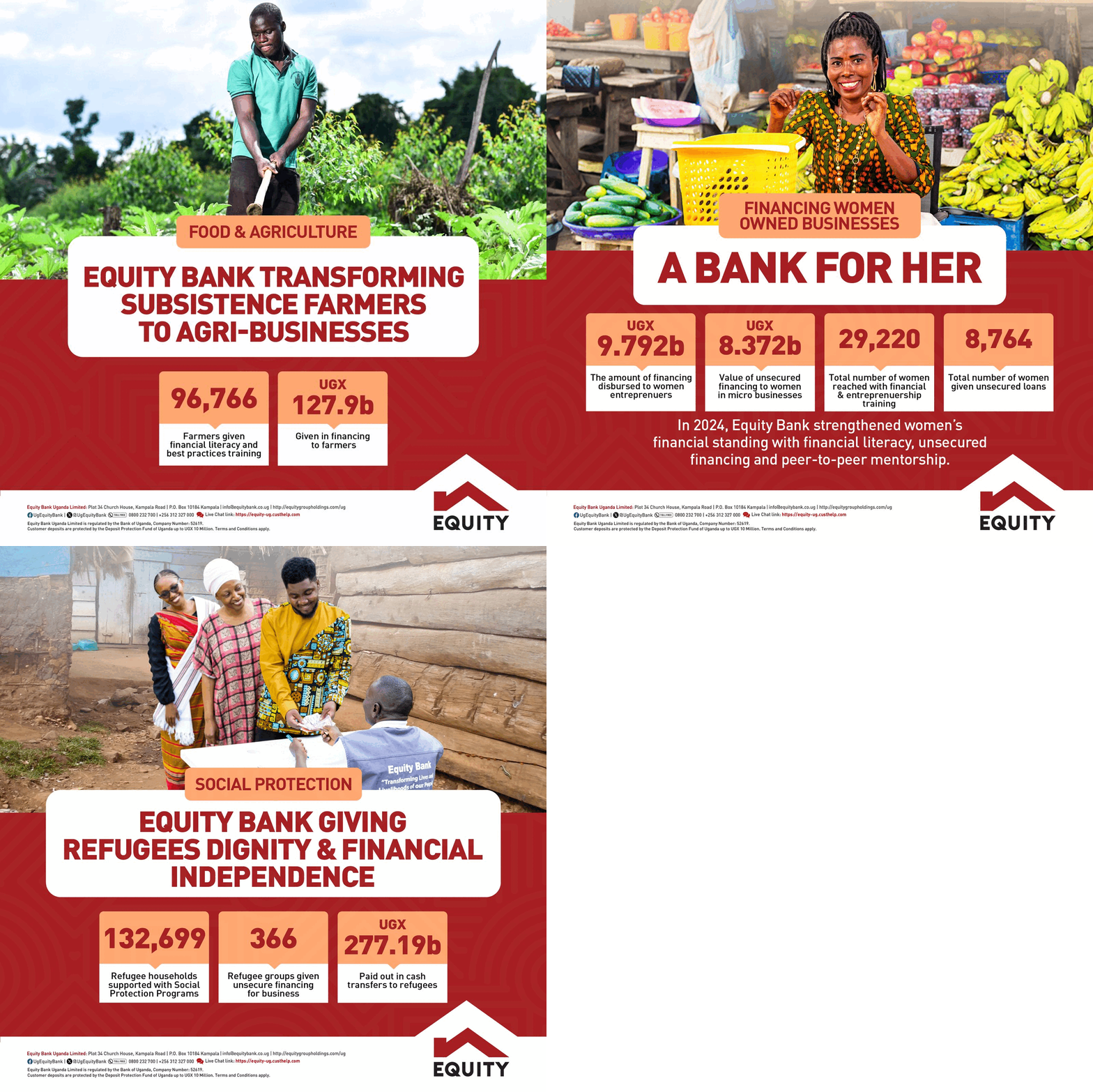
Behind the search for safety and a better life in Uganda, some refugees say they are facing another struggle: obtaining the humanitarian assistance they depend on, challenging decisions that leave them without cash support, and seeking justice over alleged abuses.
In a petition dated October 16, 2026, Refugee Leaders Forum Advocacy has appealed to the State Minister for Local Government, Hon. Justine Nameere, to intervene in a series of allegations involving the treatment of refugee women, the alleged diversion of humanitarian supplies and the removal of vulnerable households from cash-assistance programmes.

The petition paints a picture of refugee communities concerned not only about their immediate survival, but also about whether complaints can be raised safely and investigated fairly.
At the heart of the appeal are allegations that, if substantiated, could have serious implications for the protection of vulnerable refugees and the accountability of institutions involved in humanitarian assistance.

Women’s allegations call for confidential investigation. One of the petition’s most sensitive sections concerns allegations involving Douglas Asiimwe, identified in the document as an Assistant Commissioner for Refugees.
According to the advocacy group, some refugee women reportedly experienced exploitation while seeking assistance or opportunities through refugee-related administrative processes. The petition alleges that promises made to some women were not fulfilled and that some subsequently reported contracting HIV.
These claims have not been independently verified, and the petition does not establish that the alleged conduct occurred. The circumstances of each case would need to be established through a fair and confidential investigation.
The group is urging authorities to ensure that any women willing to testify can do so safely, with their informed consent and without fear of intimidation or retaliation.
It also wants affected women to have access to appropriate medical care, psychosocial support and legal assistance, while safeguarding their privacy and medical information.
Where did the humanitarian assistance go? The petition also raises concerns about the alleged disappearance or diversion of assistance intended for refugees in settlements.
Items cited include food consignments, medicines, clothing, vocational training equipment, livelihood materials, educational resources and sports equipment for children.
According to Refugee Leaders Forum Advocacy, complaints from refugees suggest that some supplies may not have reached their intended beneficiaries.
The group is calling for a comprehensive, independent audit to establish what assistance was allocated, which institutions or implementing partners received it, whether deliveries matched official records and whether any resources were improperly handled.
It wants investigators to examine procurement documents, delivery notes, inventory registers, distribution lists and financial records.
The allegations remain unproven. However, the petition argues that independently checking the records would help establish whether any irregularities occurred and who, if anyone, should be held responsible.
For refugees relying on humanitarian support to meet basic needs, the questions raised are immediate and deeply personal: Was assistance provided for their communities delivered, and can they find out what happened when it was not?
Cash support cuts leave households seeking answers
Another concern highlighted in the petition is the reported removal of numerous refugees from cash-assistance beneficiary lists.
The advocacy group says some affected households are struggling to obtain food and meet other essential needs, while questioning how eligibility decisions are made and whether people removed from the lists receive adequate explanations.
It is calling for an independent review of beneficiary-selection procedures, verification of eligibility and payment records, and accessible complaint and appeal mechanisms.
The group also wants urgent humanitarian assessments for households facing severe food insecurity.
While acknowledging that government institutions, United Nations agencies, donors and humanitarian partners operate assistance and socioeconomic programmes, the petition seeks greater transparency over how beneficiaries are selected and how resources are distributed.
Its central demand is that refugees should have a fair opportunity to challenge decisions affecting their welfare, particularly where they believe they have been wrongly excluded.
Fear of retaliation
Beyond the allegations themselves, the petition raises concerns about the safety of refugees who come forward with information.
The advocacy group says complainants and witnesses may fear threats, intimidation or further exclusion from assistance, especially when they depend on humanitarian services or must continue interacting with institutions whose conduct they have questioned.
It is asking the Government of Uganda, the United Nations High Commissioner for Refugees (UNHCR) and relevant protection organizations to assess individual risks and provide appropriate safeguards.
Proposed measures include confidential handling of witness statements, secure reporting channels, legal assistance, psychosocial support and protection against retaliation.
The petition also asks authorities to consider international protection options for individuals whose needs cannot adequately be addressed through available local measures, subject to established procedures and eligibility criteria.
Minister urged to intervene
In its appeal to Minister Nameere, Refugee Leaders Forum Advocacy requests a meeting with representatives of affected refugee communities and an independent investigation coordinated by the competent authorities.
It also calls for credible evidence of suspected corruption, fraud or diversion of humanitarian resources to be referred to appropriate investigative bodies, including the Inspectorate of Government and the Anti-Corruption Unit where legally appropriate.
The group wants relevant financial records, refugee files, beneficiary lists and distribution registers preserved to support any inquiry.
It further urges cooperation among government institutions, UN agencies, humanitarian partners and refugee representatives to strengthen transparency and accountability.
The petition does not establish wrongdoing by the individuals or institutions mentioned, nor does it provide findings from an independent investigation. The allegations would require verification, and any person or institution implicated should have a fair opportunity to respond.
The advocacy group says it is prepared to provide available supporting documents and facilitate contact with willing witnesses through safe procedures, subject to their consent and protection needs.
A question of dignity and trust
For refugees, humanitarian assistance can mean the difference between having food on the table and going hungry, accessing essential medicine and going without treatment, or helping children learn and grow despite displacement.
That is why the petition’s demands extend beyond investigating individual allegations. They seek clearer decisions on assistance, effective complaint procedures and assurances that people who report suspected wrongdoing will not be punished for speaking out.
The document leaves the responsibility for establishing the facts with the competent authorities. It does not ask that anyone be declared guilty on the strength of allegations alone.
Instead, it calls for a process that protects complainants, examines the evidence impartially and takes appropriate legal or administrative action if wrongdoing is established.
For the refugee communities represented by the advocacy group, the appeal to the minister is ultimately a call for more than an investigation: it is a demand for dignity, fairness and confidence that the assistance intended to protect vulnerable people reaches those who need it.
Whether the petition leads to an independent inquiry, and what such an inquiry might establish, remain open questions. (For comments on this story, get back to us on 0705579994 [WhatsApp line], 0779411734 & 041 4674611 or email us at mulengeranews@gmail.com).