






By Mulengera Reporters
Mbale City is set for a major boost in water and sanitation services as the National Water and Sewerage Corporation (NWSC) intensifies works under the Mbale Water Supply and Sanitation Project, part of a wider national expansion drive aimed at improving access to clean and safe water.
The progress comes shortly after NWSC unveiled its ambitious five-year strategic plan for 2025–2030, a UGX 8.2 trillion roadmap targeting increased access to safe water for 26 million Ugandans across the country.
Under the strategy, NWSC plans to extend 500 kilometres of water pipelines annually, add 60,000 new customer connections every year, and establish 15,000 safe water points in villages to bridge access gaps, particularly in underserved areas.

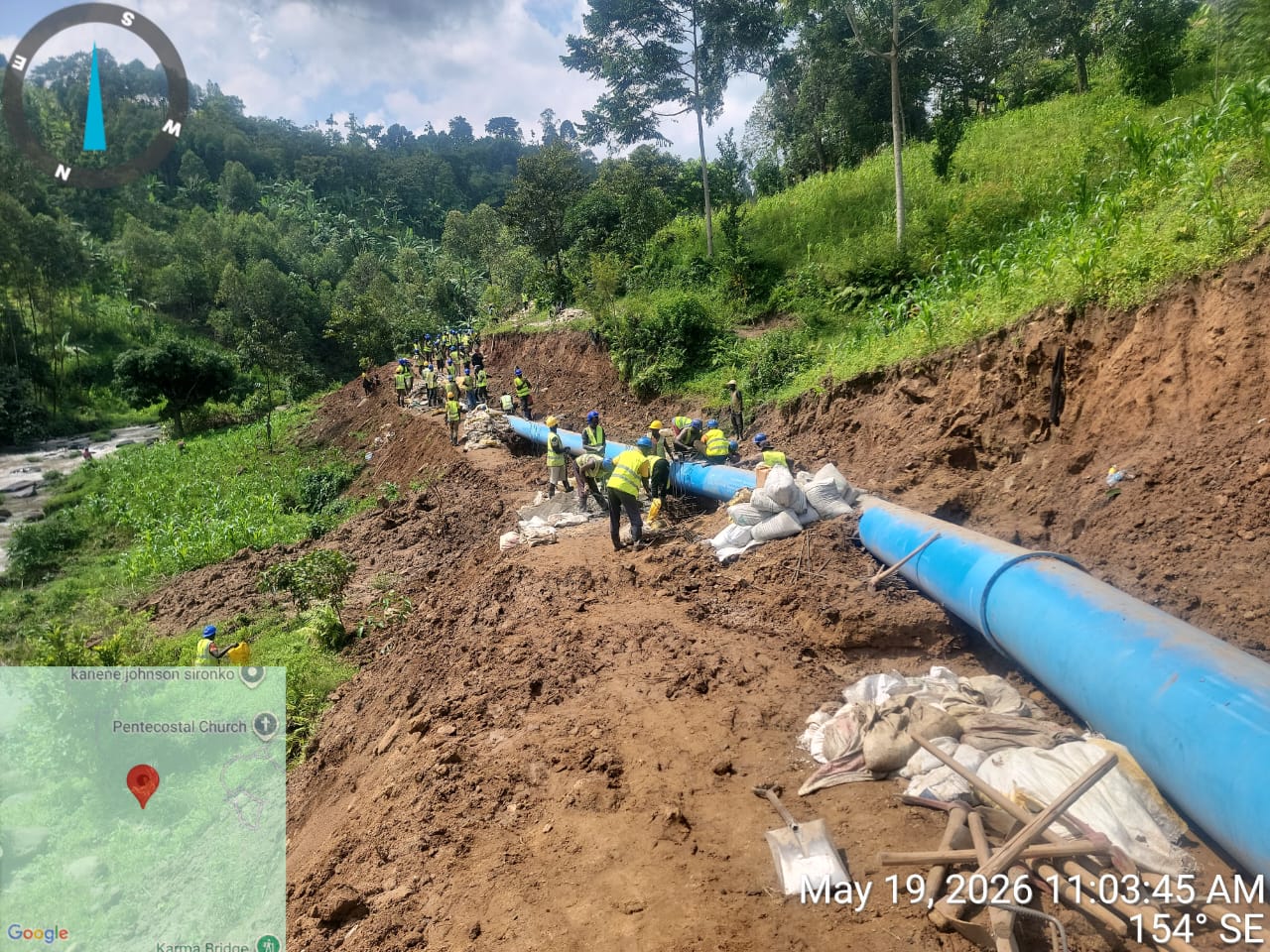
In Mbale, several key infrastructure components are already taking shape. According to NWSC Managing Director, Dr. Silver Mugisha, construction of a modern water treatment plant in Bukitti/Jewa is ongoing, alongside the laying of water distribution pipelines across the city and installation of additional reservoirs to strengthen storage capacity.

The project also includes major sanitation upgrades, among them the construction and rehabilitation of sewage treatment plants, including a new facility at the Islamic University in Uganda. Rehabilitation and expansion of sewer lines are underway, while public toilets are being constructed to improve hygiene and sanitation standards within the city.
Once completed, the project is expected to significantly raise Mbale’s water supply capacity from 18 million litres to 30 million litres per day, helping meet increasing demand driven by population growth and urban expansion.
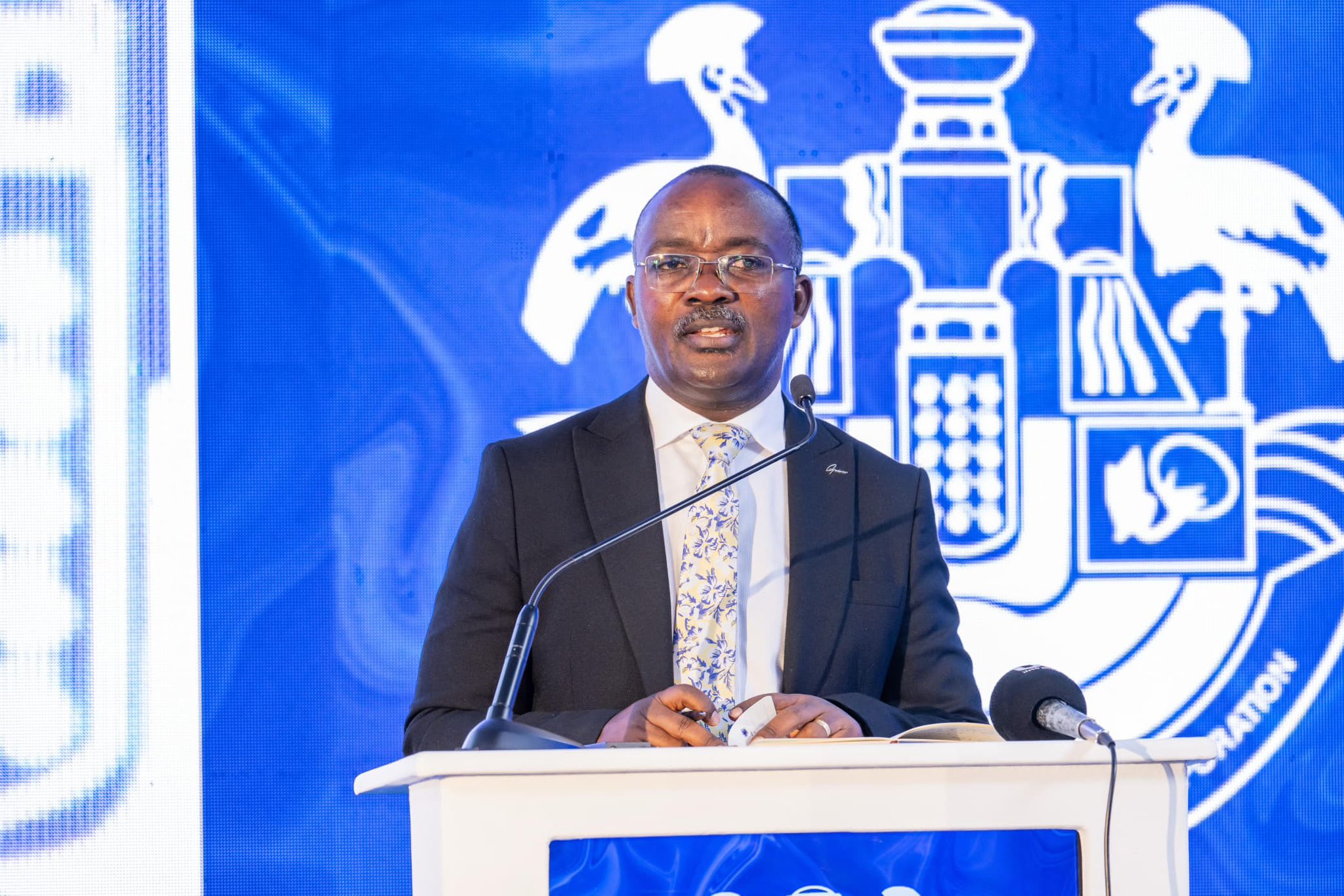
“The expansion is expected to address growing water demand, improve reliability of supply, and support the city’s rapidly increasing population,” Mugisha said, while thanking residents and stakeholders for their patience and continued support as construction progresses.

The Mbale project reflects NWSC’s broader transformation over the last five decades. Since its establishment, the corporation has expanded from serving only three towns — Kampala, Entebbe and Jinja — to operating in more than 273 urban centres nationwide.
Over the same period, piped water access has grown from fewer than 200,000 people to approximately 18 million Ugandans, while the pipeline network has expanded from less than 200 kilometres to more than 22,000 kilometres, extending services to previously underserved communities.
With Mbale among the priority areas in the corporation’s latest expansion strategy, residents are expected to benefit from improved water reliability and sanitation services once the project is completed.