






By Ben Musanje
On World AIDS Day, Uganda stood tall in its fight against HIV/AIDS, marking an extraordinary journey of progress under the leadership of President Yoweri Museveni and the National Resistance Movement (NRM) government.
The event, held on Monday (December 1st, 2025) at Kazinda playground in Bushenyi District, saw Vice President Jessica Alupo representing President Museveni, delivering a message of success, resilience, and hope.
Reading President Museveni’s speech, Alupo emphasized the country’s incredible strides over the past few decades, praising the NRM government’s efforts to reduce the impact of HIV/AIDS on Ugandans and transform the nation into a beacon of health in the region.
When the NRM government came to power in 1986, HIV/AIDS was a national crisis.

The country was grappling with high rates of infection and an overwhelming sense of fear and uncertainty. Recognizing the urgency of the situation, President Museveni declared HIV/AIDS a national emergency and implemented bold, far-reaching measures to curb its spread.
The government’s decision to tackle HIV with urgency led to nationwide education campaigns, focusing on HIV testing, openness, and compassion.
Through these efforts, Uganda was able to change the way people viewed HIV and encouraged testing and treatment as vital steps in managing the epidemic.
As Vice President Alupo remarked, the NRM government has always understood that a healthy and educated population is the foundation of any country’s progress.
A key part of the government’s success has been its focus on education, especially for girls. Alupo underscored that keeping girls in school protects them from early marriages, teenage pregnancies, and the risk of HIV infection.
This commitment to education and prevention has helped lower the country’s HIV prevalence rate from 18% in the 1990s to just 4.9% in 2024, a dramatic reduction that has saved countless lives.
In addition, HIV-related deaths have dropped by 63%, from 56,000 in 2010 to just 20,000 in 2024, thanks to the country’s “test and treat” policy—an initiative to get people tested and onto treatment as soon as possible.
This approach, along with expanded access to life-saving antiretroviral therapy (ART), has helped nearly 97% of those living with HIV in Uganda receive the treatment they need, a leap from just 50% in the early years of the epidemic.
At the heart of Uganda’s success is the Uganda AIDS Commission (UAC), which has led the national response to the HIV epidemic.
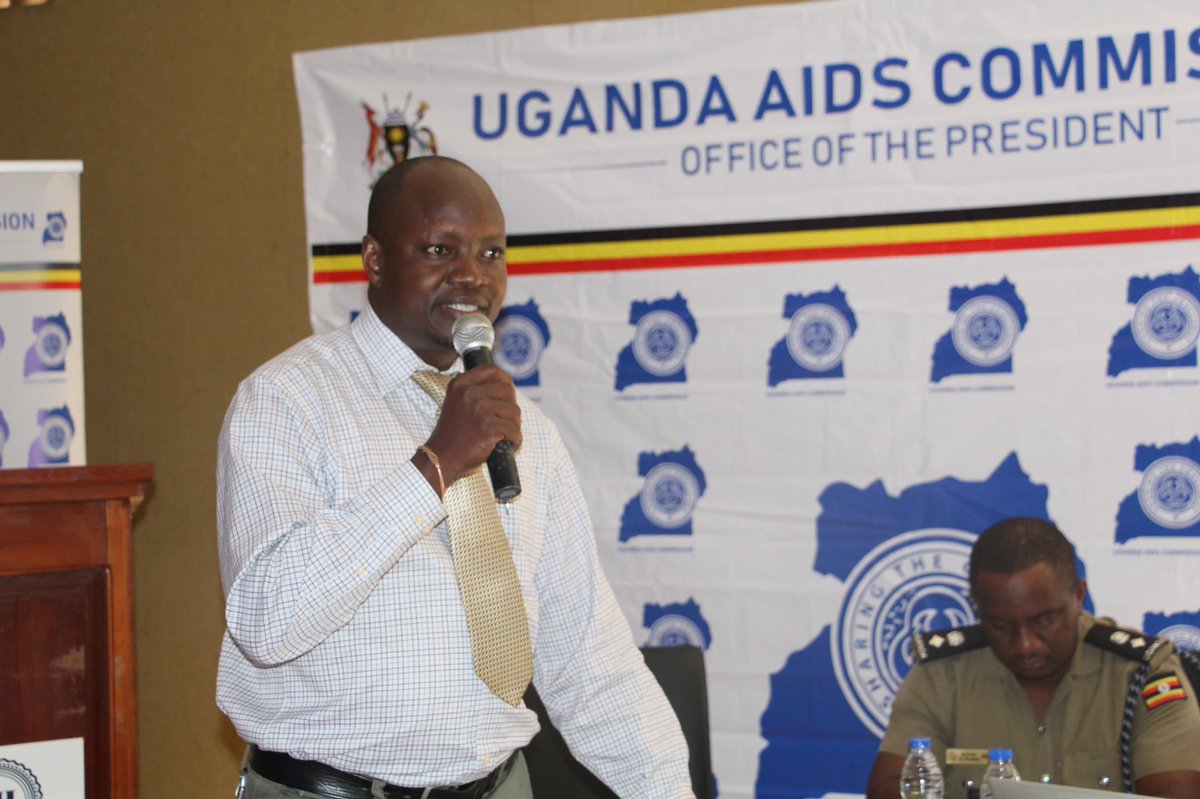
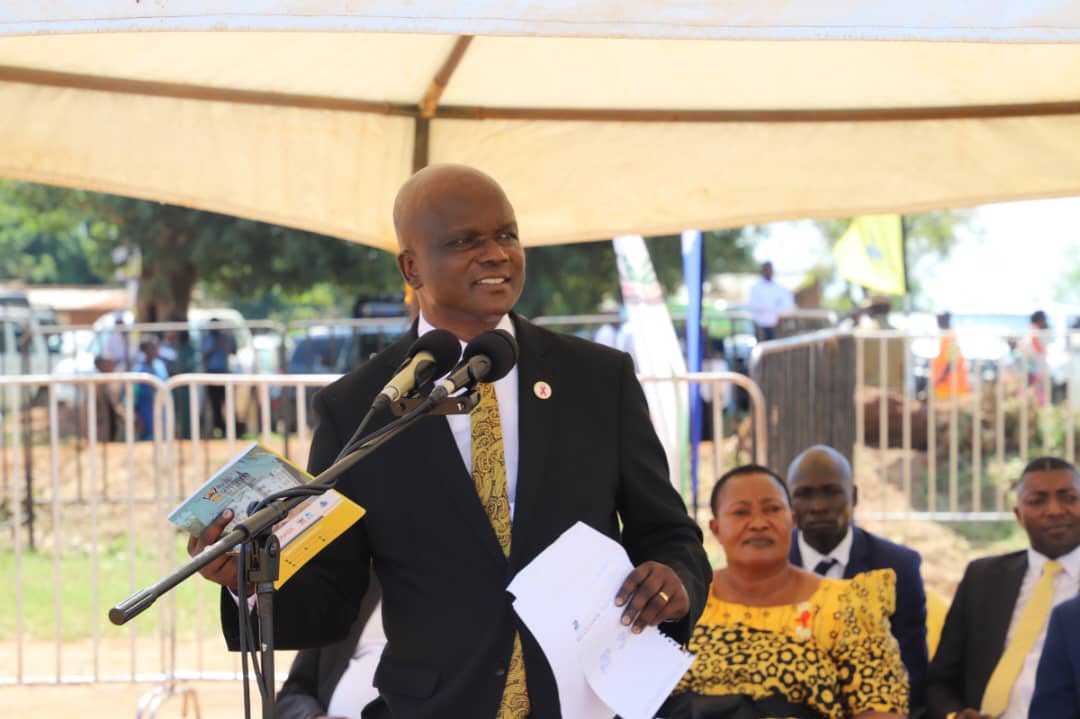
Dr. Nelson Musoba, the Director General of UAC, has been instrumental in coordinating the national strategy.
In his speech on World AIDS Day, Dr. Musoba highlighted the progress Uganda has made since the early 2000s, pointing to the reduction in new infections from 96,000 in 2010 to 37,000 in 2024.
He also stressed that 97% of people living with HIV are now receiving treatment, a major milestone in the fight against the disease.
Dr. Musoba was careful to note, however, that despite this success, Uganda still faces challenges, particularly with mother-to-child transmission, which remains a significant problem.
In 2024, 4,700 babies were born with HIV, often due to pregnant mothers not attending antenatal services after being diagnosed with HIV.
Both Vice President Alupo and Dr. Musoba stressed that while Uganda has made significant progress, the fight is far from over. One of the most pressing concerns remains the high rates of new infections among young people, particularly young women.
In Bushenyi District, 250 new HIV infections were reported in 2024 alone, with the district’s HIV prevalence rate standing at 8%—well above the national average. This highlights the need for continued vigilance and targeted interventions in high-risk areas, especially among young people.
The government’s Bonabasome program, which encourages children—especially girls—to stay in school, has been one of the most effective strategies for preventing HIV infections.
By ensuring education is accessible to all children, Uganda is empowering the next generation to protect themselves from the virus and reduce the number of new infections.
However, the fight is not only a national one. Jacqueline Makokha, UNAIDS Country Director for Uganda, was quick to acknowledge the significant role Uganda’s government has played in the country’s HIV response. She commended the NRM government for its strong leadership and the collaborative partnerships it has built with international organizations, local communities, and health agencies.
According to Makokha, these partnerships have been crucial to Uganda’s success, helping to reduce new infections and AIDS-related deaths while expanding access to care.
Makokha also pointed out that, despite Uganda’s success, there are still major challenges ahead. She emphasized the need for continued financial support and innovative approaches to further reduce HIV transmission, particularly among young women and adolescents. She expressed her confidence that Uganda’s coordinated approach would lead to even greater achievements in the coming years.
The “fast-track initiative” launched by the NRM government, aimed at ending AIDS as a public health threat by 2030, continues to guide the country’s strategy.
Dr. Musoba also stressed the importance of ensuring financial sustainability for the HIV response, to ensure that Uganda doesn’t rely solely on international aid but can continue to fund its own efforts to tackle the epidemic.
Uganda’s journey from an HIV crisis to becoming a model of success is a story of determination, leadership, and collaboration.
Under the continued leadership of President Museveni, and with the support of UNAIDS and other international partners, Uganda is well on its way to a future where HIV no longer holds back the nation’s potential.
While the country’s success in reducing HIV prevalence and deaths is a source of pride, there is still much work to be done, particularly in addressing the challenges of mother-to-child transmission and new infections among young people.
The message remains clear: Uganda is winning the battle against HIV, and with continued effort, global partnerships, and strong leadership, an HIV-free Uganda is not just a dream, it is a future within reach. (For comments on this story, get back to us on 0705579994 [WhatsApp line], 0779411734 & 041 4674611 or email us at mulengeranews@gmail.com).