






By Ben Musanje
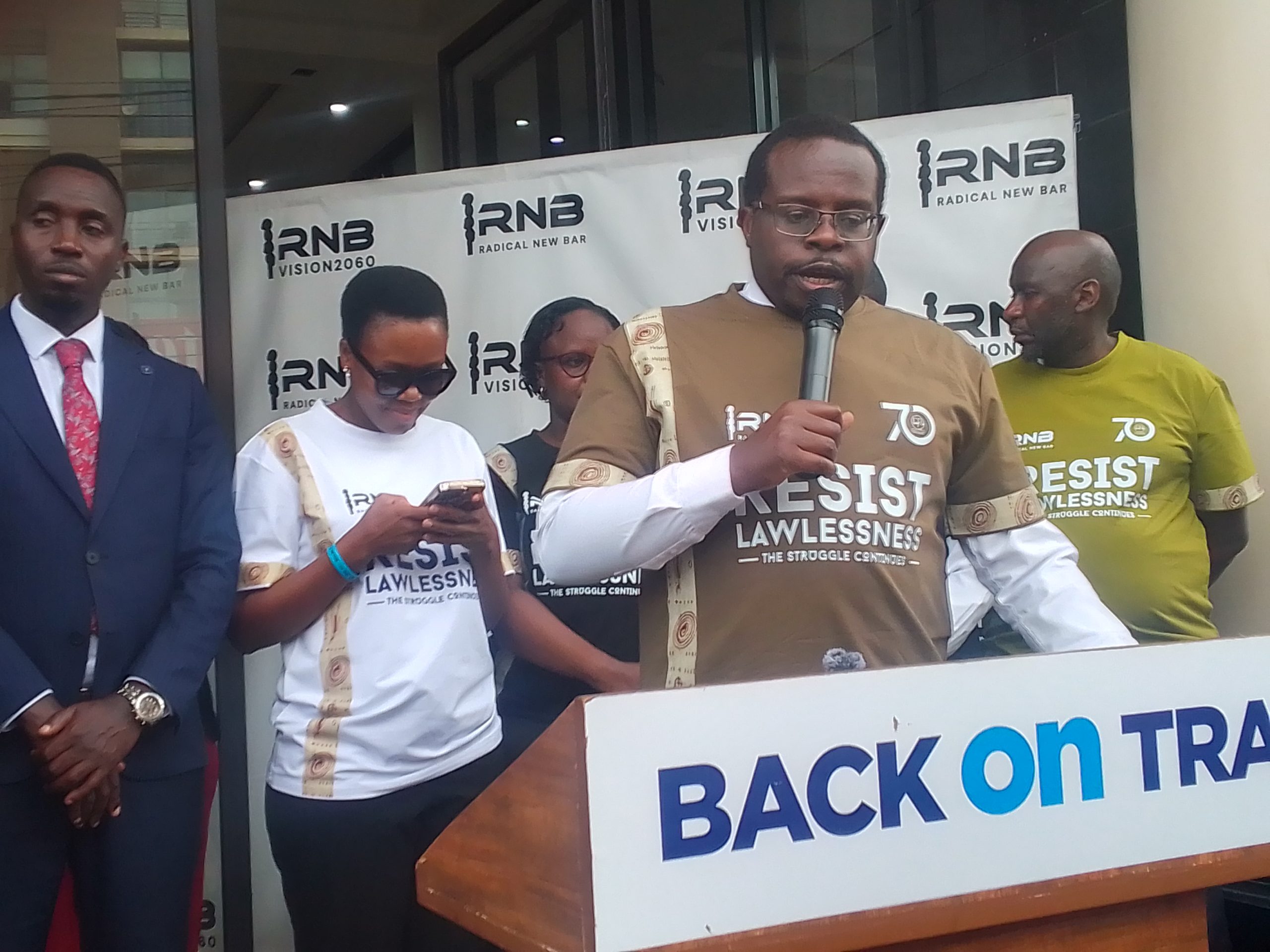
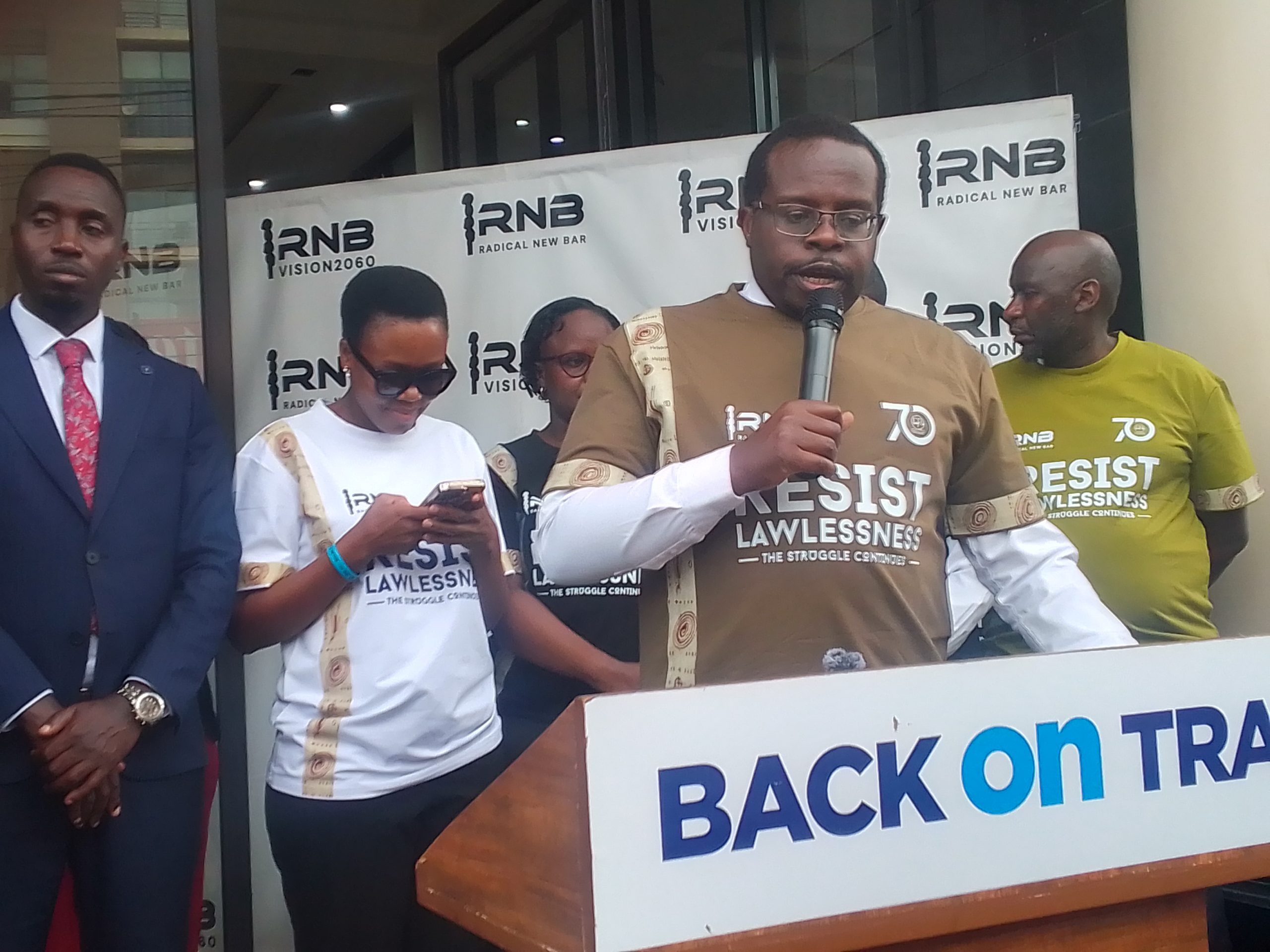
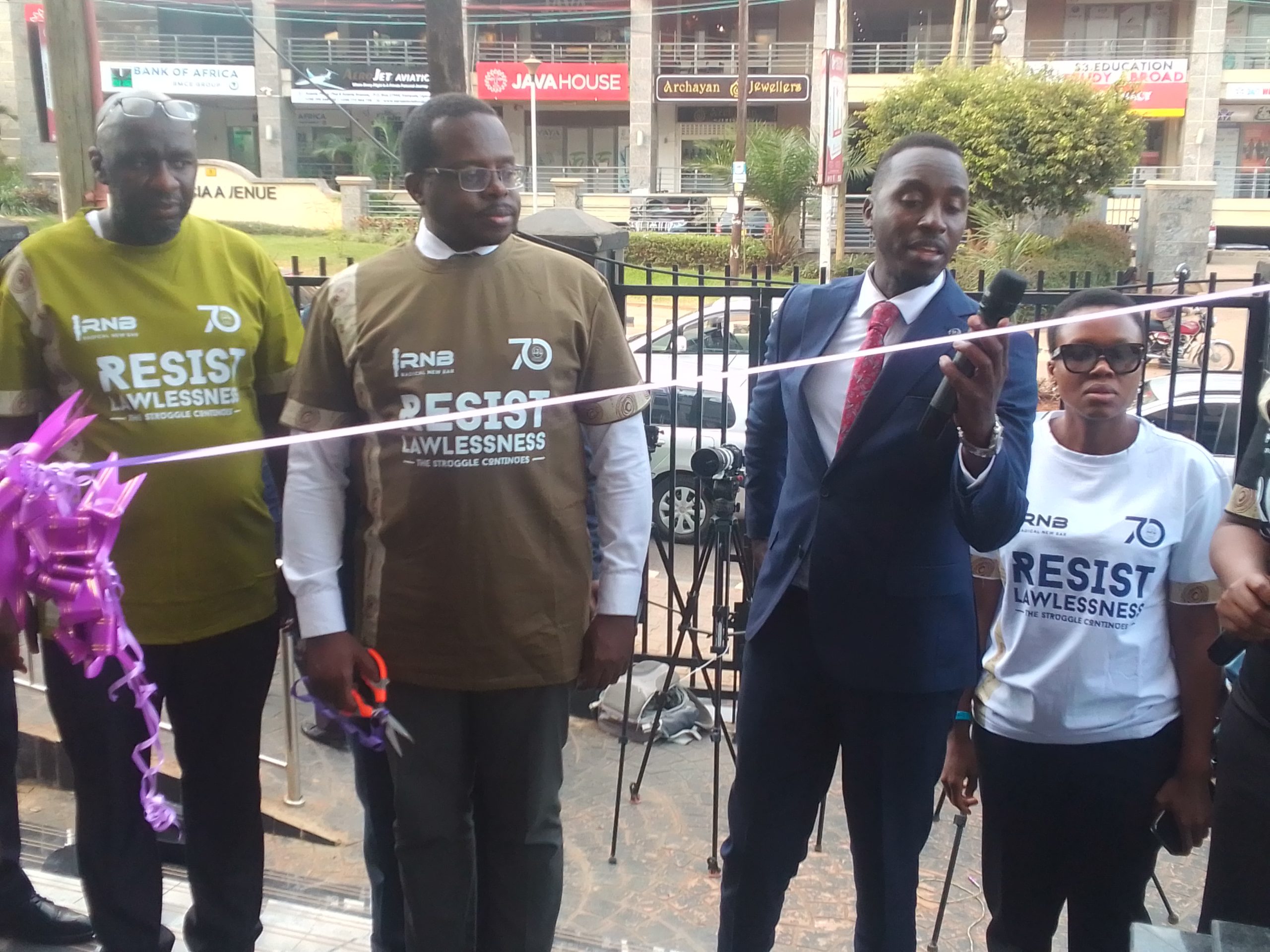
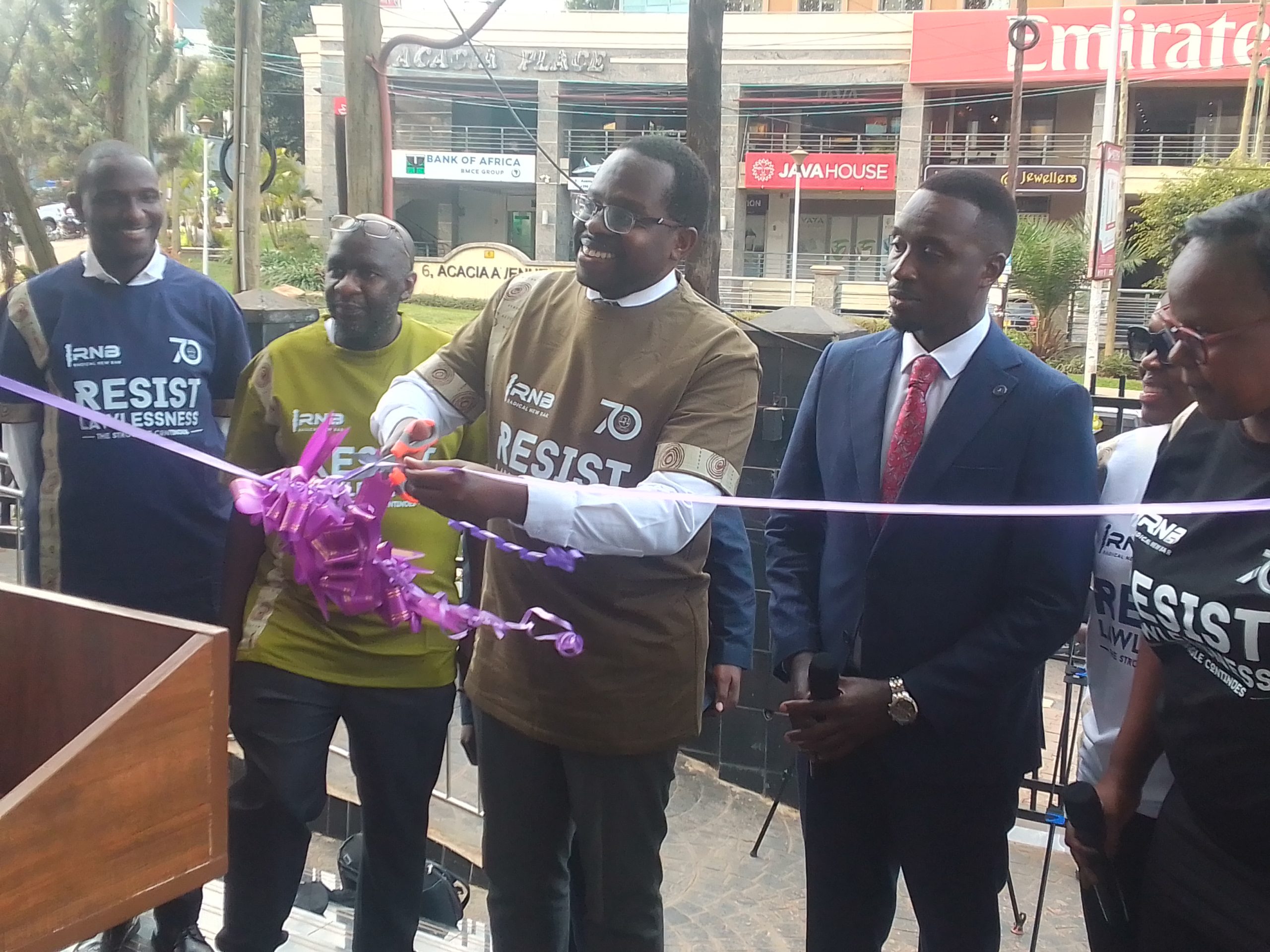
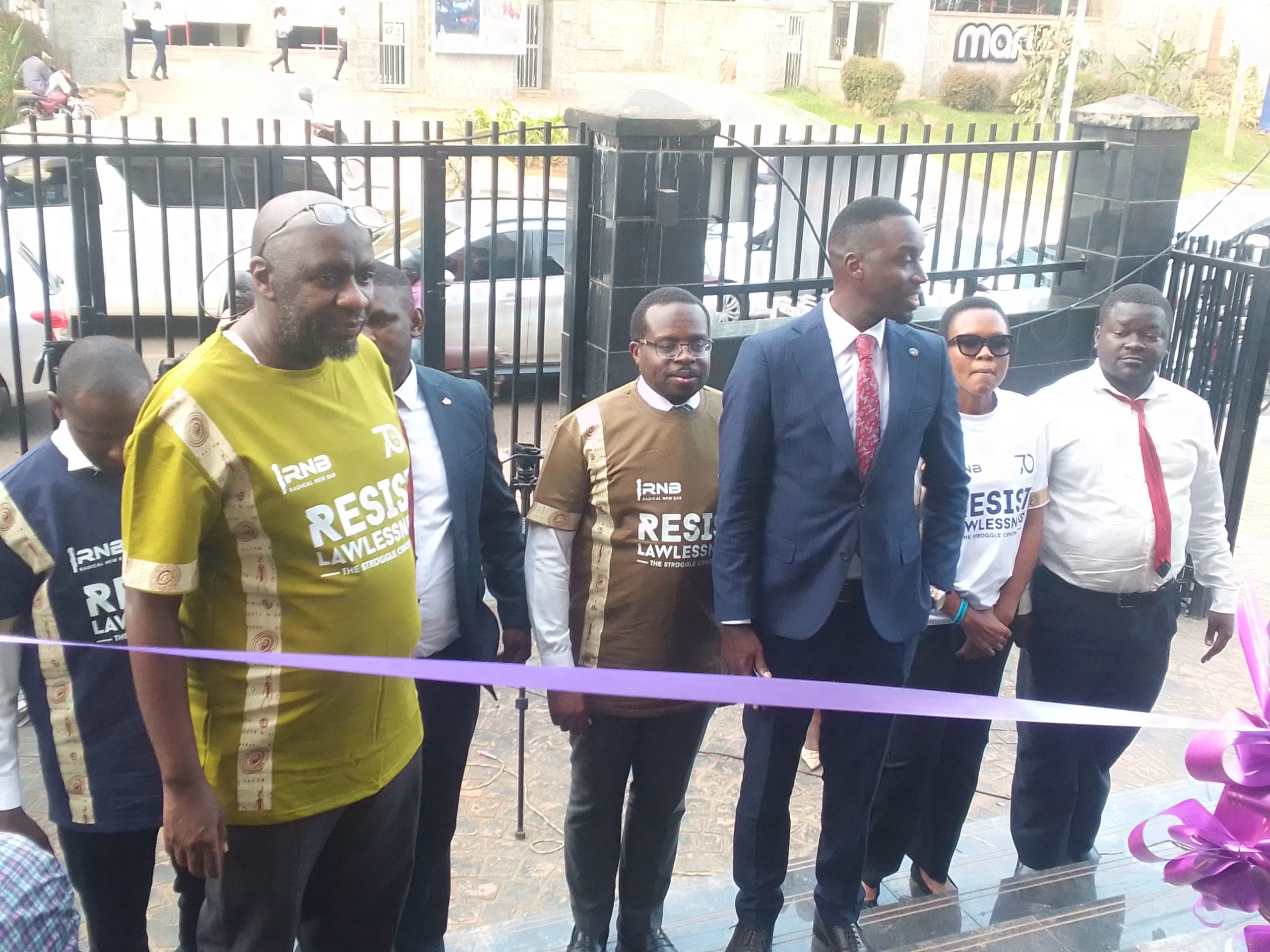
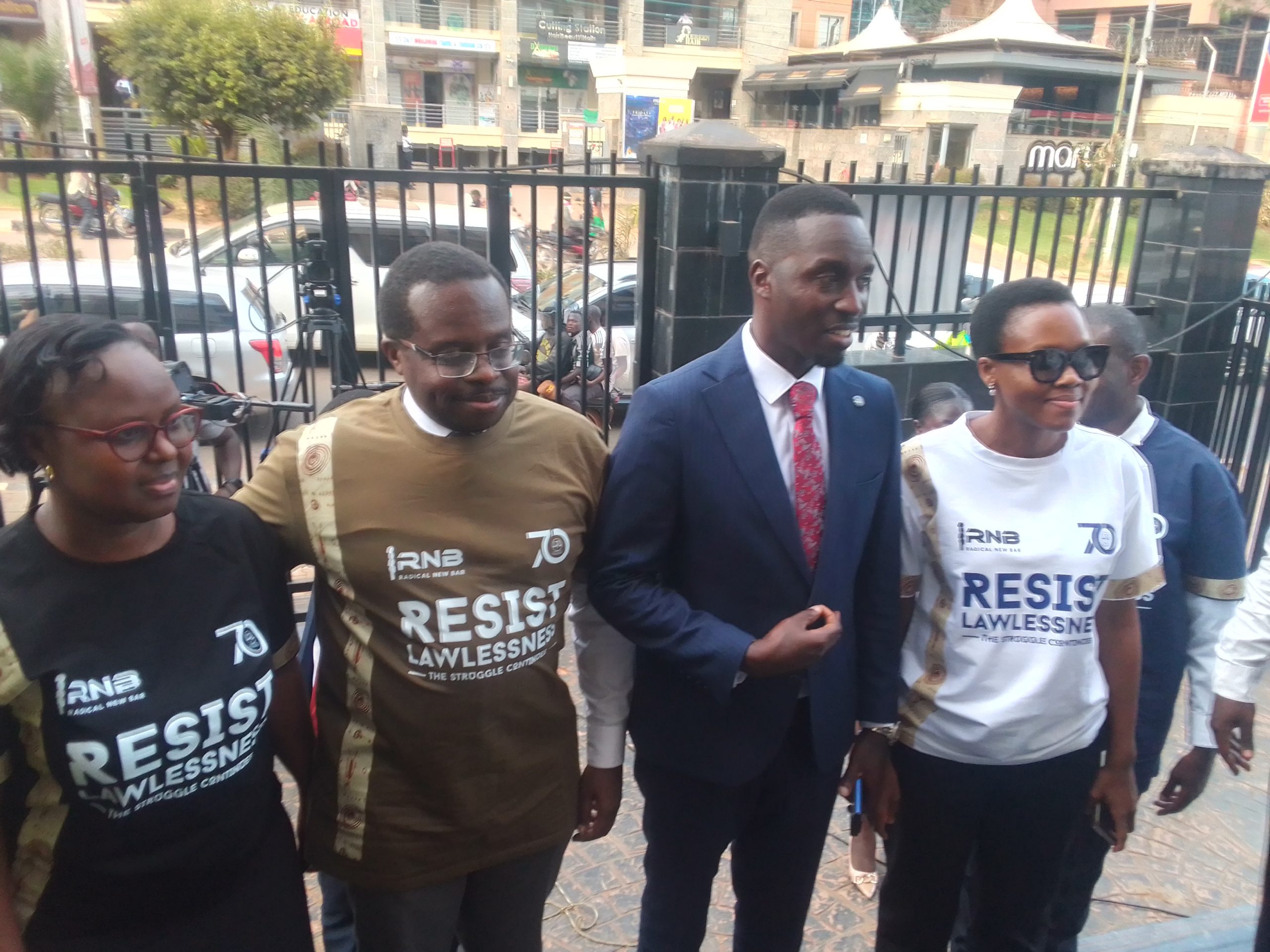
The President of the Law Society of Kenya, Senior Counsel Charles Kanjama, on Monday visited the Uganda Law Society (ULS) headquarters in Kololo, Kampala, where he formally participated in the launch of activities marking the Society’s 70th anniversary celebrations.
The visit, which also brought together regional legal leaders from the East African Law Society, formed part of a broader programme themed around strengthening constitutionalism, professional solidarity, and the rule of law across East Africa.
Kanjama’s engagement at the ULS headquarters came shortly after a tense regional legal moment involving Kenyan senior counsel and former Justice Minister Martha Karua, who was reportedly denied entry into Uganda at Entebbe International Airport earlier in the day. Karua had been travelling to support the legal defence team of Ugandan lawyer Erias Lukwago, who is facing treason-related charges linked to proceedings involving opposition figure Kizza Besigye.
Despite the controversy, Kanjama proceeded with engagements at ULS House along John Babiha Avenue, where he was received by the society’s leadership led by Vice President Anthony Asiimwe and participated in the symbolic launch of anniversary activities.

Regional solidarity and legal cooperation

The event brought together representatives of the Law Society of Kenya, the East African Law Society, and the host institution, the Uganda Law Society, in what speakers described as a reaffirmation of cross-border legal cooperation.
Kanjama’s presence was framed as a gesture of solidarity with the Ugandan legal profession at a time when questions around judicial independence, fair trial rights, and the freedom of legal practitioners remain central to public debate.
Speaking at the event, ULS Chief Executive Officer Christine Awori emphasized that recent developments in the region had underscored the continued relevance of constitutionalism. She pointed to ongoing challenges affecting fair trial guarantees and the independence of the legal profession, noting that such concerns were not confined to Uganda alone but were shared across East Africa.

Awori also welcomed regional legal partners, describing their participation as an important expression of solidarity in defending shared democratic and legal values.
70 years of the Uganda Law Society
The launch marked the beginning of a series of activities leading to the Uganda Law Society’s 70th anniversary commemoration. The programme is intended to reflect on the institution’s historical role while engaging the public on contemporary governance and constitutional issues.
The anniversary activities were officially introduced through a statement delivered on behalf of ULS President Isaac Ssemakadde by his special envoy, Amina Achola, who noted that the president regretted his absence but extended greetings to members and guests.
The speech traced the evolution of the legal profession in Uganda from its colonial-era foundations under the 1956 legal framework to its present role under the 1995 Constitution. It described the legal profession as having evolved alongside Uganda’s political history, including periods marked by instability, executive dominance, and later constitutional reform.
The address characterized Uganda’s legal history as unfolding in three broad phases: the colonial and early post-independence period, the constitutional reform era culminating in the 1995 Constitution, and the current period of ongoing contestation over the rule of law.
Constitutionalism and current challenges
The ULS leadership reiterated its position that the legal profession serves as an institutional defender of constitutional governance. The Society described itself as the “advocate of the nation,” emphasizing that all Ugandans collectively constitute its client.
Speakers warned that despite constitutional gains, recent events indicated continuing pressure on legal and democratic institutions. The Society framed its anniversary theme, Upholding Constitutionalism in a Changing Landscape, as a response to what it described as emerging threats to the rule of law.
The programme will include a series of public dialogues, legal education initiatives, and stakeholder engagements aimed at strengthening awareness of constitutional principles and promoting civic participation in governance discussions.
Cultural reflection and national identity
Adding a cultural perspective to the launch, Soroti District Woman Member of Parliament Anna Adeke Ebaju highlighted the symbolism behind the anniversary branding, which incorporates motifs inspired by the ancient Nyero rock paintings in eastern Uganda.
She described the concentric circles and human figures depicted in the artwork as symbols of continuity, community, and collective identity. According to her, the imagery reflects long-standing indigenous systems of justice and governance that predate colonial legal institutions.
Adeke argued that the legal profession is part of a broader historical continuum of justice systems in Uganda and emphasized the importance of passing down principles of fairness and accountability across generations.
She also welcomed the increasing participation of women in the legal profession, noting that women now make up a significant portion of legal practitioners in Uganda. She urged greater inclusion of gender perspectives in legal interpretation and judicial practice.
Regional tensions and legal context
The backdrop to the event included heightened regional attention following the reported denial of entry of Martha Karua into Uganda earlier in the day. Karua had been expected to join a legal team involved in the defence of Lukwago, who is currently facing treason-related charges.
Her blocked entry and the ongoing legal proceedings involving Lukwago and Besigye have drawn attention from regional legal bodies and human rights observers, further amplifying discussions about legal independence and cross-border legal practice within East Africa.
While the ULS did not directly comment on the specifics of the incident during the launch, speakers repeatedly emphasized the importance of safeguarding the independence of legal practitioners and ensuring that lawyers are able to carry out their duties without interference.
Looking ahead to 2026 celebrations
The Uganda Law Society announced that the 70th anniversary programme will continue throughout the year, culminating in a major commemoration scheduled for December 2026. The planned events are expected to include national conferences, regional legal forums, and public engagement campaigns.
According to the Society, the objective is not only to celebrate longevity but also to confront ongoing governance challenges and reinforce the role of law in public life.
As the event concluded, participants reiterated a shared commitment to strengthening constitutionalism and regional legal solidarity.
The message from the launch was clear: while the Uganda Law Society marks seven decades of existence, its leadership views the current moment not as a point of closure, but as a continuation of a long and unfinished struggle to uphold the rule of law in Uganda and across the region.