






By Mulengera Reporters
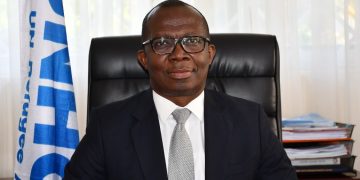
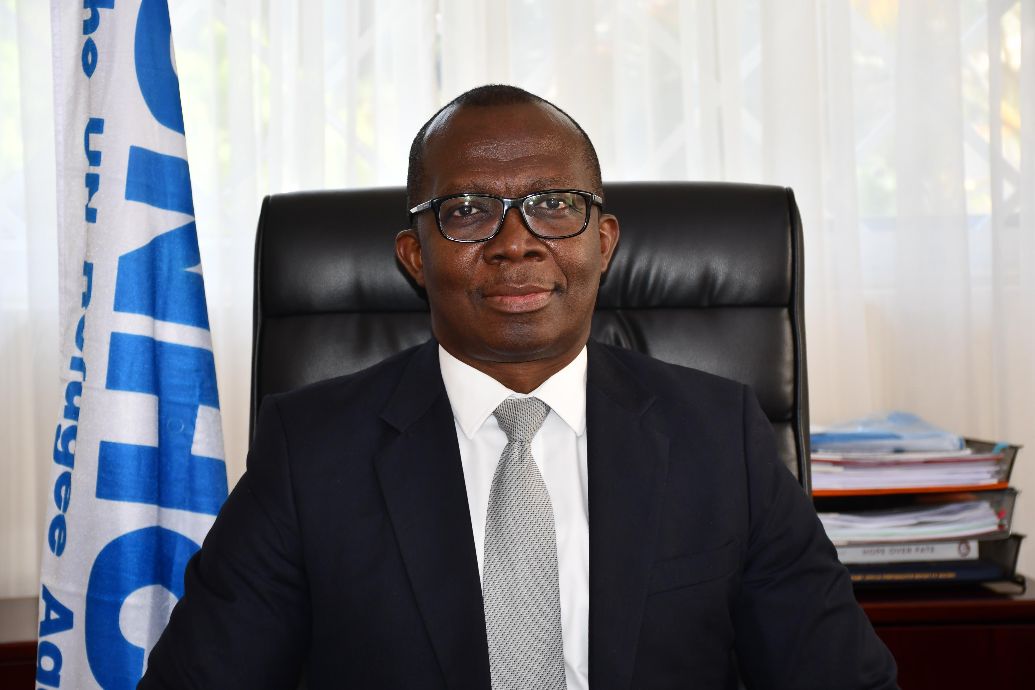
Since the year 2022, Ghanian national Mathew Kwesi Crentsil has been the UNHCR Country representative for Uganda. A lot has happened globally during his time, including anti-refugee sentiments which have been growing across the globe, including in the US whose President Donald Trump continues to target repatriating millions of migrants by deporting them back to their home countries or some other third countries.
With the biggest voluntary donor America diminishing its financial commitments and donations to UNHCR, the organisation has also globally had to endure the nearly unprecedented financial squeeze which has compelled it to close down hundreds of field offices, which has resulted into not less than 5,000 employees becoming redundant and subsequently getting laid off. Amidst all these constraints, Kwesi has tried his best during his tenure as the UN refuge agency chief in Kampala Uganda.


When it emerged that the outgoing Geneva-based UN High Commissioner for refugees Filipp Grandi’s 10-year tenure of service was coming to an end on 31st December, top diplomats and politicians from key UNHCR-donor countries expressed interest in the job. And Kwesi was among those few non-Europeans who showed interest and had increasingly been accepted as representing the African continent in the race.
He stood and globally solicited for support but his hopes were dashed not very long ago when the UN Secretary General, having considered all those who had expressed interest, recommended former Iraqi President Barham Salih (2018-2022) for his name to be considered for approval by several stakeholders, including the UN General Assembly, whereafter he will be having and assuming the office sometime next year.
The 65-year-old Iraqi is the first non-European to take the position of UN High Commissioner for refugees, since Iran’s Prince Sadruddin who reigned at that level (1966-1977).
Apart from Kwesi, the other even more formidable competitors who competed for the job included Turkish Ambassador to the UN Ahmet Yildiz, ex-Spain Foreign Minister Arancha Gonzalex, ex-Finland Foreign Minister Pekka Haavisto, Swedish leader Jesper Brodin, Paris Mayor Anne Hidalgo, Polish Parliament Speaker Szymon Holiwnia, ex-Belgium Minister of refugees Nicole de Moor, Germany’s Niels Annen and UNHCR host country Switzerland’s Christie Schraner Burgener.
All this high pedigree of candidates shows how heavily contested the UNHCR top position was; implying that even when he had been a UN insider for 30 years and was seen by many UNHCR watchers as representing African aspirations in the race, Kwesi didn’t stand that much chance at a time when the generosity of the wealthier nations will be required more than ever to keep the struggling UN refugee agency going.
At the time the refugee problem is rapidly escalating because of ongoing armed conflicts in Sudan, Gaza and Ukraine; the refugees-related hostility by the US (which for decades had been the biggest funder followed by Germany) has left UNHCR limping with only $8.5bn being available to fund and operationalize its budget for the upcoming year 2026. At $8.5bn, the organisation’s budget is down by 20% compared to what it was during the preceding year 2025.
Stakeholders involved in the refugee operations’ space in Uganda are anxious and concerned about the uncertainty that will result from Kwesi’s impending departure from being the head of the UN refugee agency in Uganda, a post he has held during such a difficult period since the year 2022 when he first assumed that same office.
Inside the GoU of President Museveni, officials at both the OPM and the Ministry of Foreign Affairs are reflecting on the Ghanian’s impending exit with mixed reactions (as can be expected). (For comments on this story, get back to us on 0705579994 [WhatsApp line], 0779411734 & 041 4674611 or email us at mulengeranews@gmail.com).